

Fifteen of the tiniest places added to our selection this past year show there’s no end to the possibilities of what a hotel can be.
Our annual smallest new hotels list is always one of our most popular stories, and the reason probably has to do with one word: possibility. When a hotel has dozens or hundreds of rooms, it’s limited in what it can be and where it can be placed. When it only has a few, it can be almost anything, and almost anywhere. The imagination runs wild.
But what makes a hotel? How many rooms must it have? How much staff? Which amenities? There’s a lot of grey area. Some hotels in our selection have only one or two rooms and “invisible” service; can they still be called hotels? We’ll litigate that question in a future list. For this one, we’re focused on establishments with at least a few rooms and that serve food in a meaningful way.
It’s not an exaggeration to say that, in a selection filled with unique and interesting hotels, these are among the best examples of both.
Kohanyu
Kami, Japan
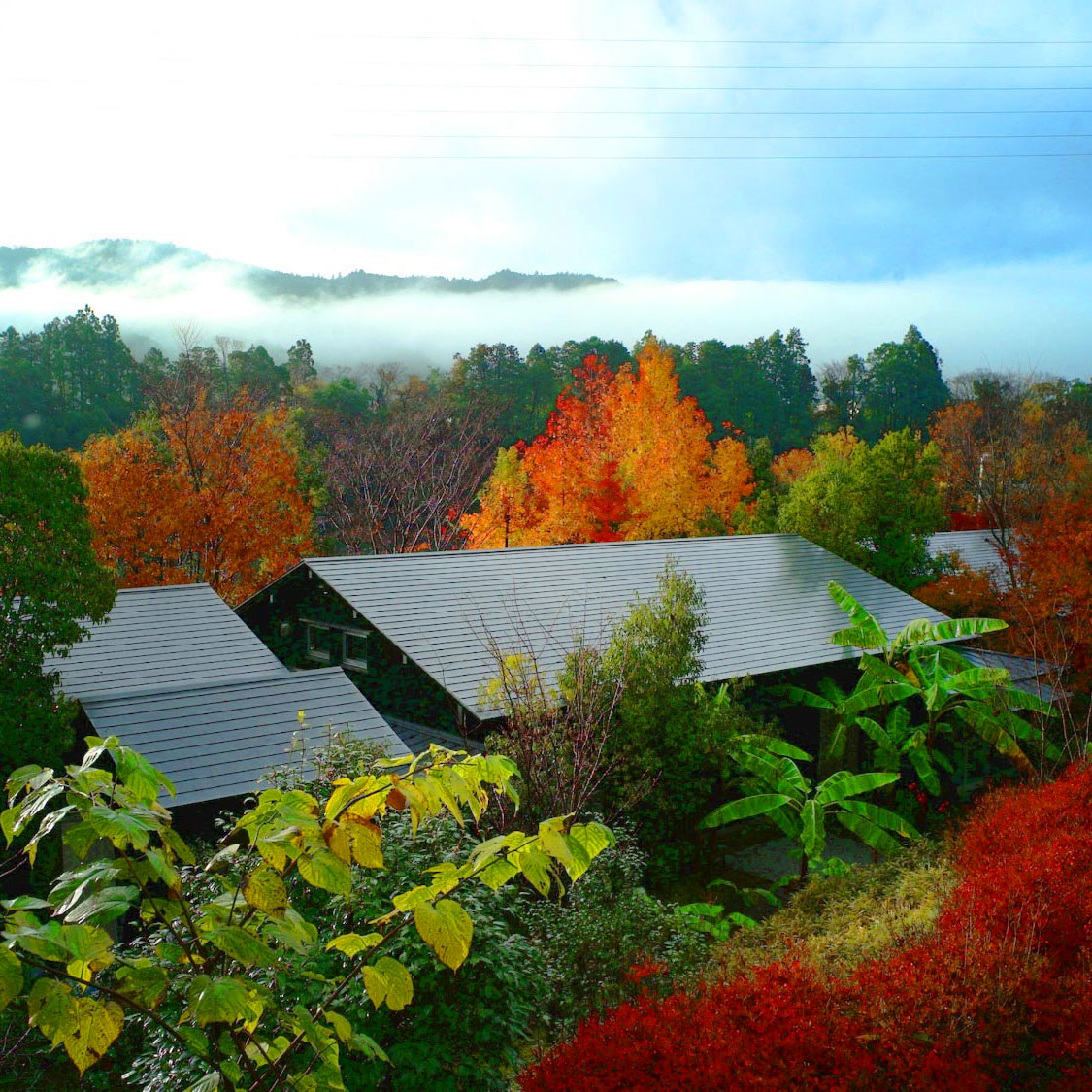
A natural hot spring feeds the onsen baths at Kohanyu, and an uncommon devotion to music and the art of acoustics is the reason for its audiophile-quality sound system. Three luxurious, sparsely decorated rooms look out over artfully framed views of the surrounding greenery, and the cuisine is made from freshly harvested local ingredients. It’s a memorable modern twist on the timeless ryokan experience.
Felder Alpin Lodge
Villandro, Italy
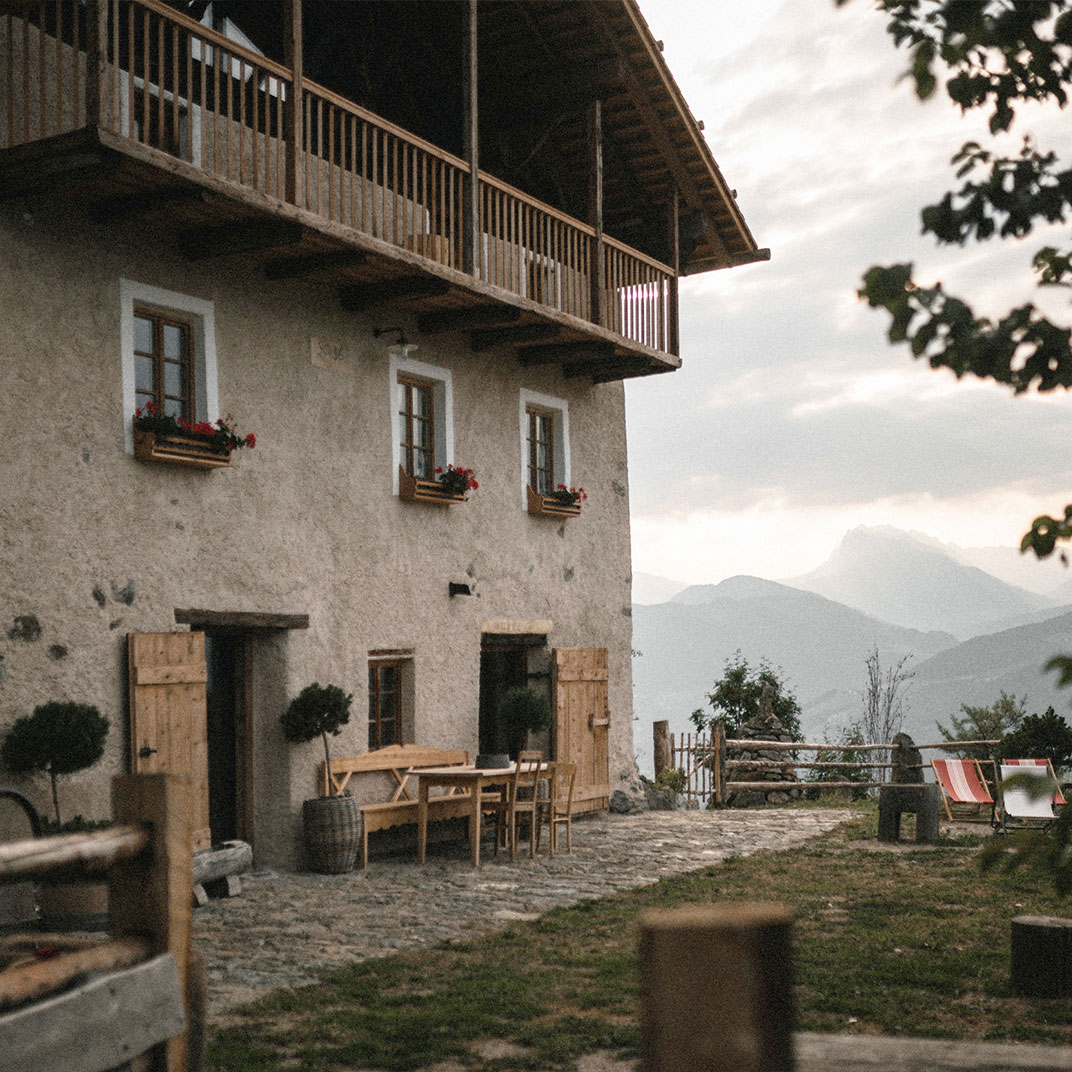
Sitting just above the town of Villanders at an altitude of 1,200 meters, Felder Alpin Lodge is an exclusive-use retreat surrounded by some incredible Dolomites views. The centuries-old mountain farmhouse has been authentically restored by three passionate local owners, who have retained the traditional Alpine style whilst adding in thoughtful contemporary furnishings from all over the world.
Maison Jullian
Béziers, France
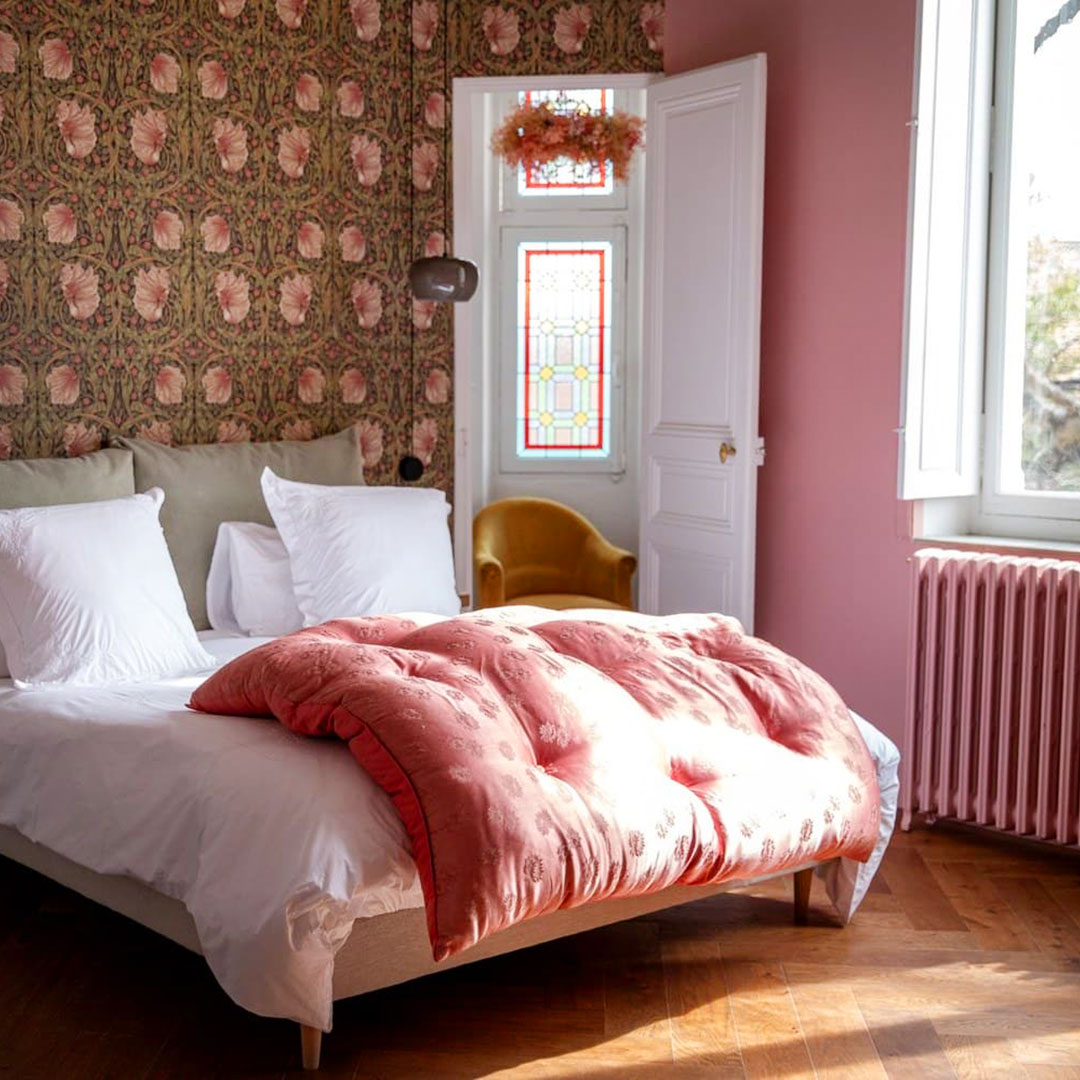
There are just three rooms at Maison Jullian. They’re named after the wife and daughters of Martien Jullian, a local vineyard owner who built the late 19th-century villa as his family home on the edge of the oldest canal in Europe. Quaint and rich with historic character after restorations by the new owners, the interiors are filled with romantic details and the restaurant specializes in slow food.
Maidla Nature Resort
Maidla, Estonia
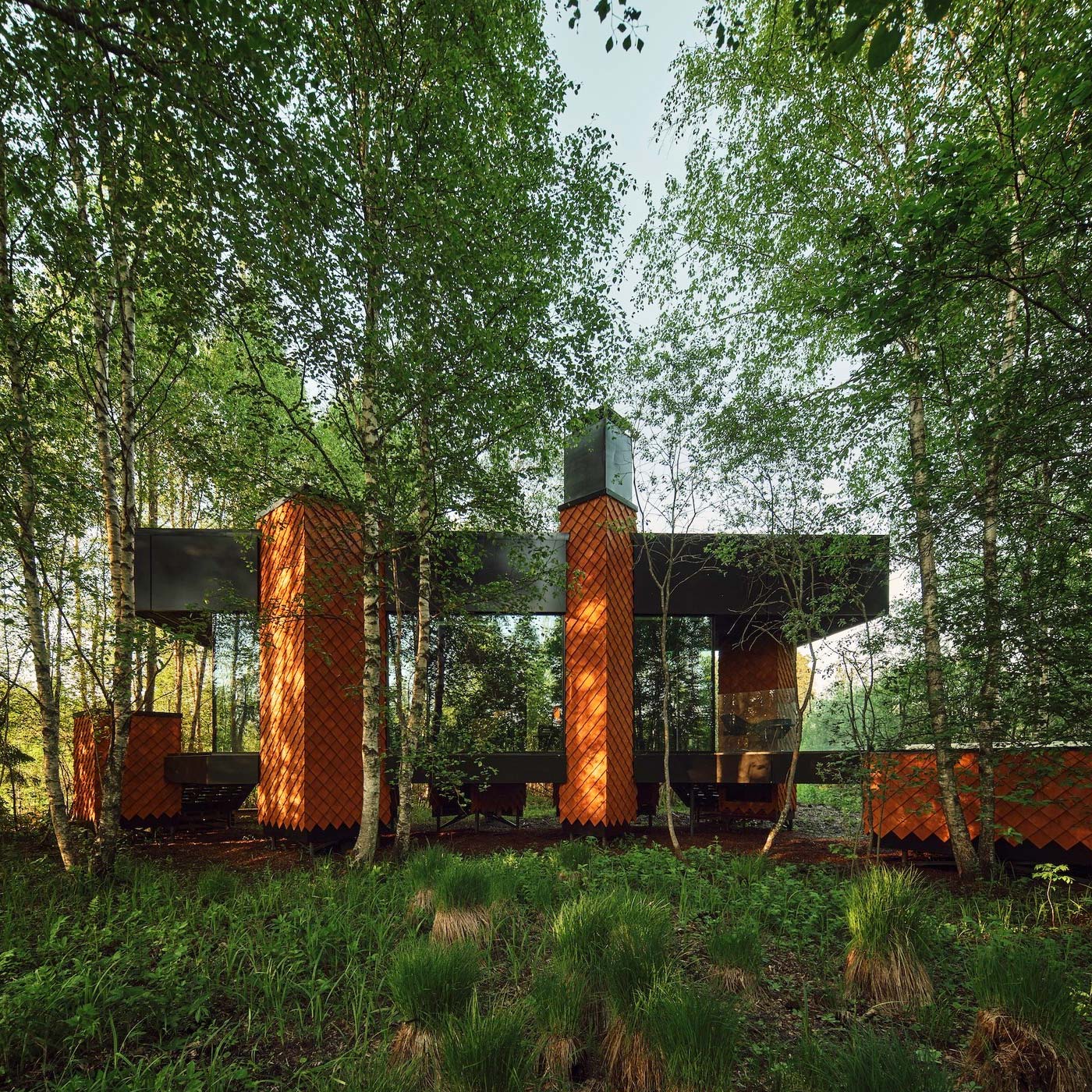
Just 45 minutes from Tallinn, Maidla Nature Resort offers a modern kind of solitude: three striking villas, each by a different Estonian architect, set on stilts above wetlands where nature leads and design follows. There is no Wi-Fi, no background music, just stillness, open sky, and glass walls framing the view. The estate includes a 16th-century manor and Michelin-recommended SOO restaurant.
Soneka
Kitahiroshima, Japan
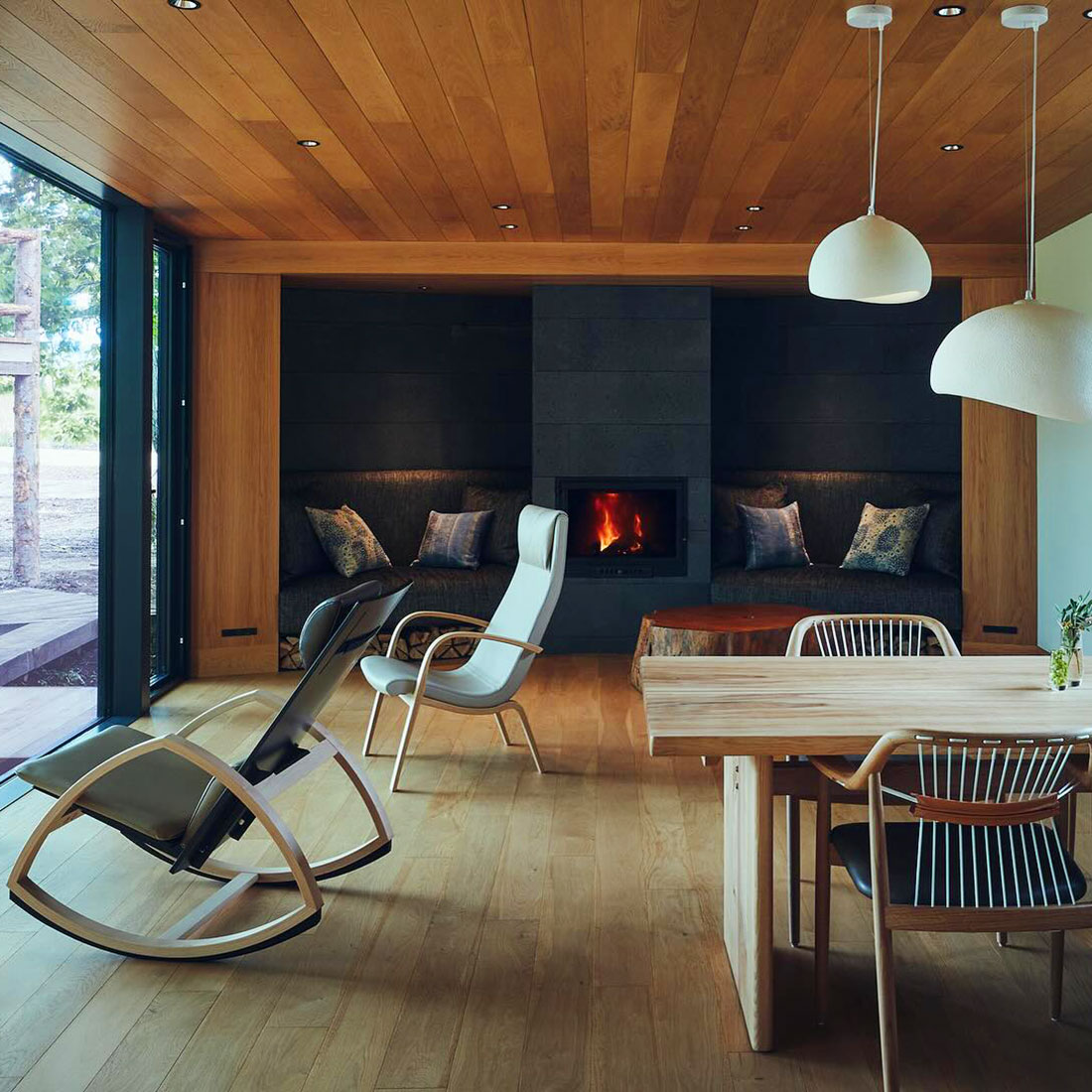
With just four individual villas surrounded by meadows and mountain views, Soneka is about as private as a hotel can get. Each of the villas is designed as a self-contained residence, complete with its own kitchen, fire pit, terrace, and, in two units, a private pool. Most importantly, each one comes with its own outdoor onsen bath. Each villa also comes with a wood-fired grill, for getting hands-on with your ingredients.
Lilløy Lindenberg
Herdla, Norway
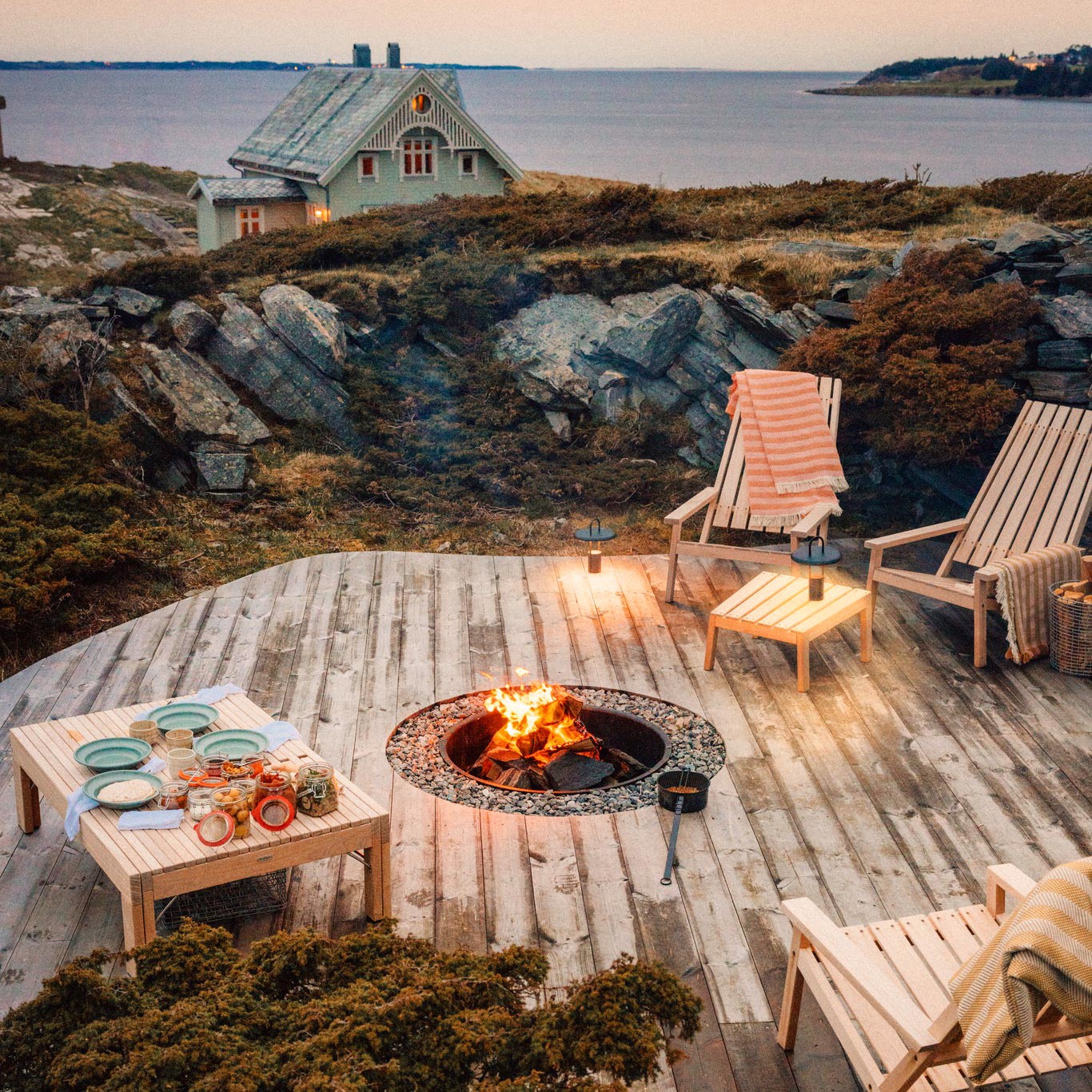
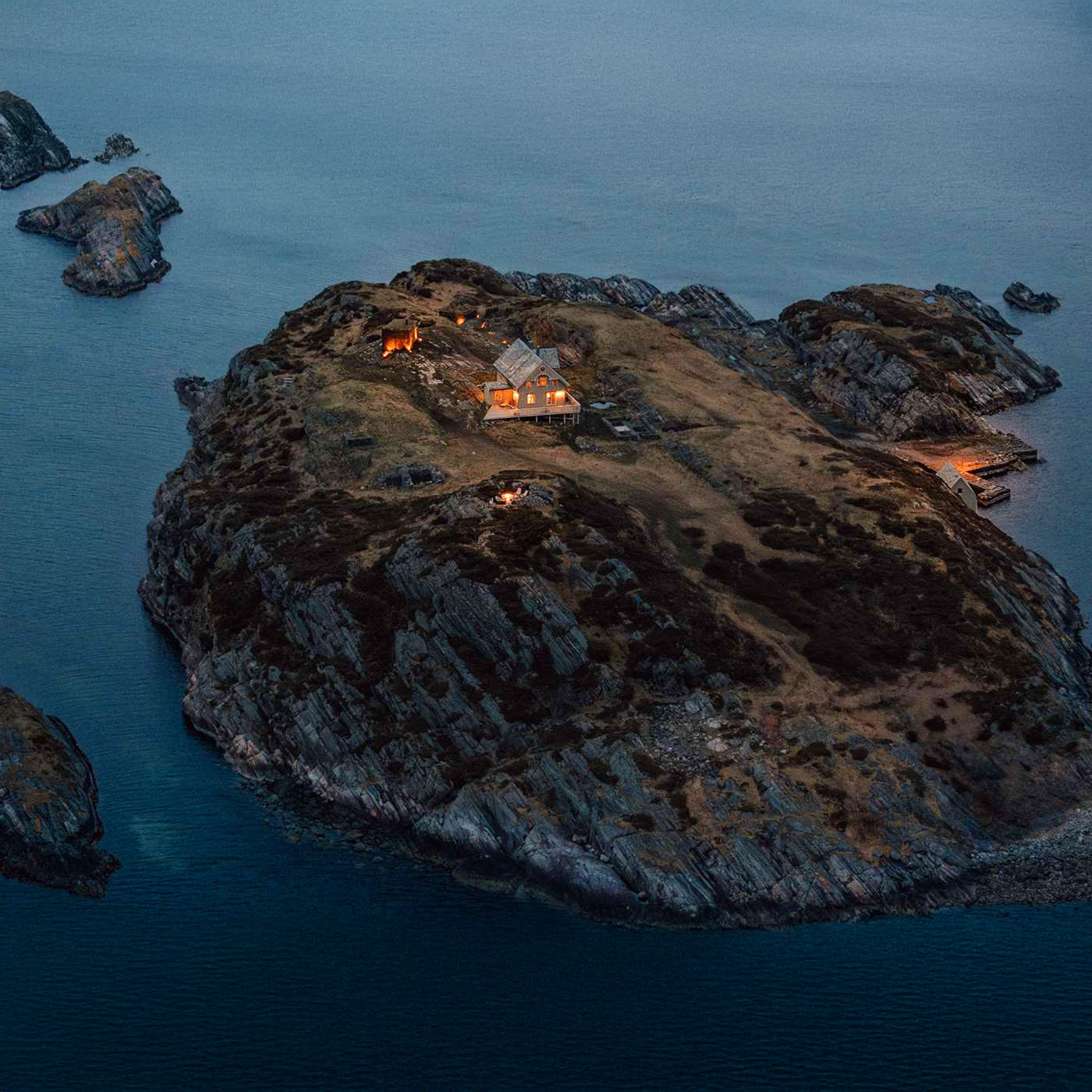
Lilløy Lindenberg is, in a literal sense, a private island hotel, but it’s at once less extravagant and more memorable than the phrase might imply. This is no luxury resort, but a wild, rocky island in the North Sea, home to little more than a beautifully restored farmhouse and a boat launch. The house’s four rooms are decorated in what they call an “antique Scandinavian folk style.”
Quercus
Gay, GA, USA
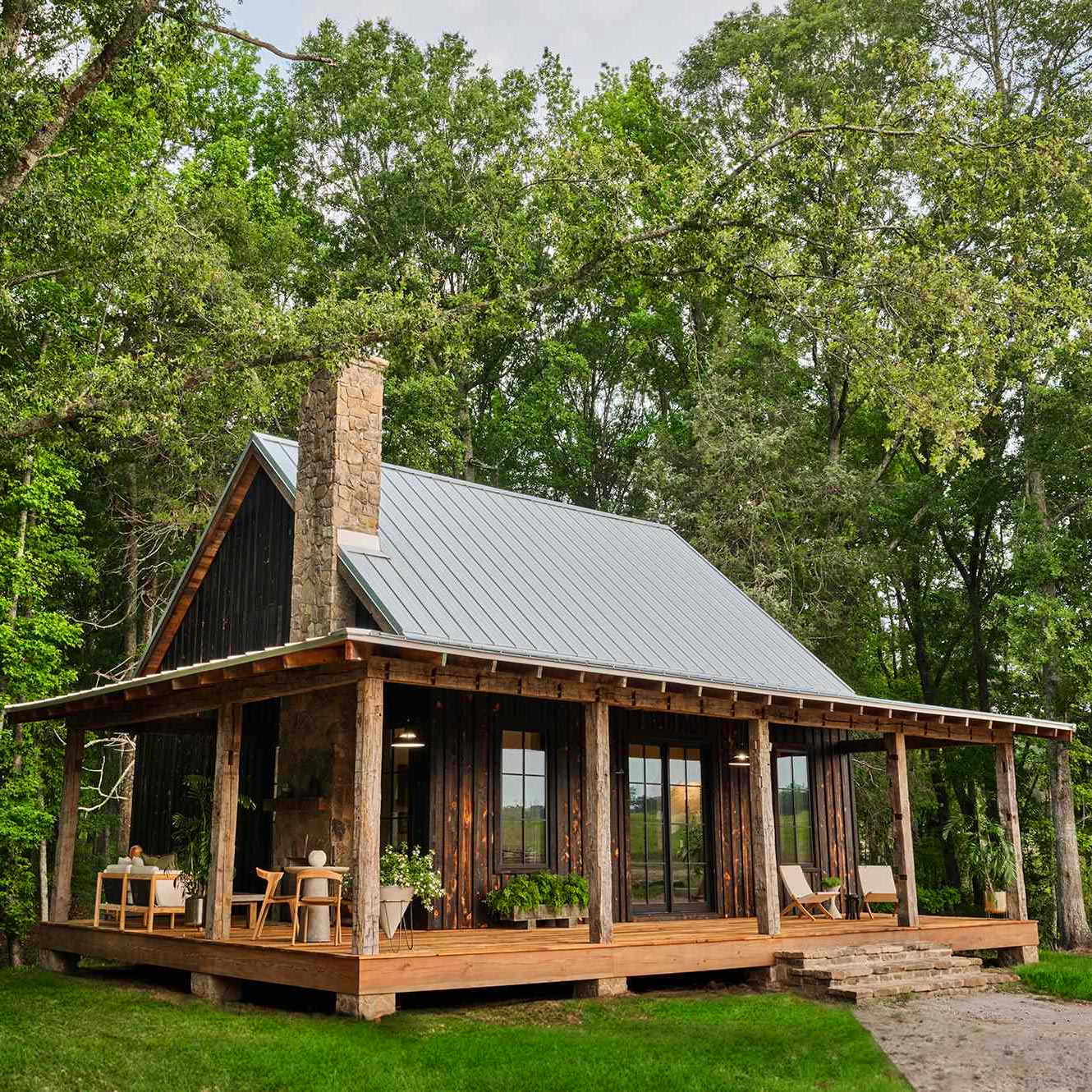
Quercus takes its name from the oak, fitting for a retreat set on 3,800 acres of forest, pasture, and river in rural Georgia. What started as a return to regenerative farming soon evolved into a project that unites land, food, and hospitality. The result is four cottage-style suites furnished with botanical tones and heirlooms from the Visconti collection, while wide porches and fireplaces turn the outdoors into living space.
Amethyst Selene
Pogonia, Greece
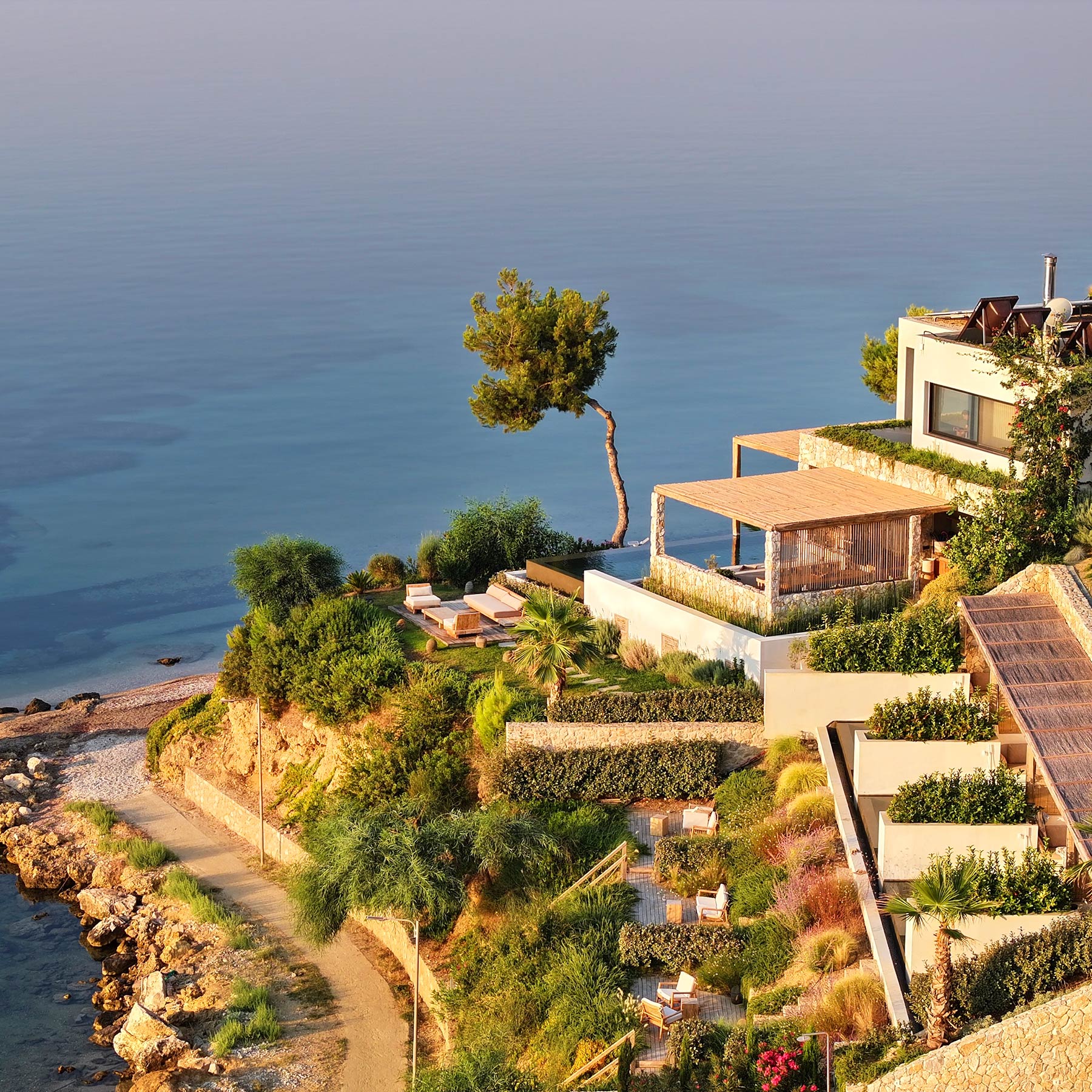
Sophisticated but understated, with sweeping views of the Ionian Sea, the four-suite Amethyst Selene is located in a quiet village on the western coast of mainland Greece. It takes its name from a gemstone known for its calming and healing properties, which is fitting: the architecture is characterized by clean lines, geometric shapes, and the use of organic materials, including local wood and stone.
Vila Muhr
Bohinj, Slovenia
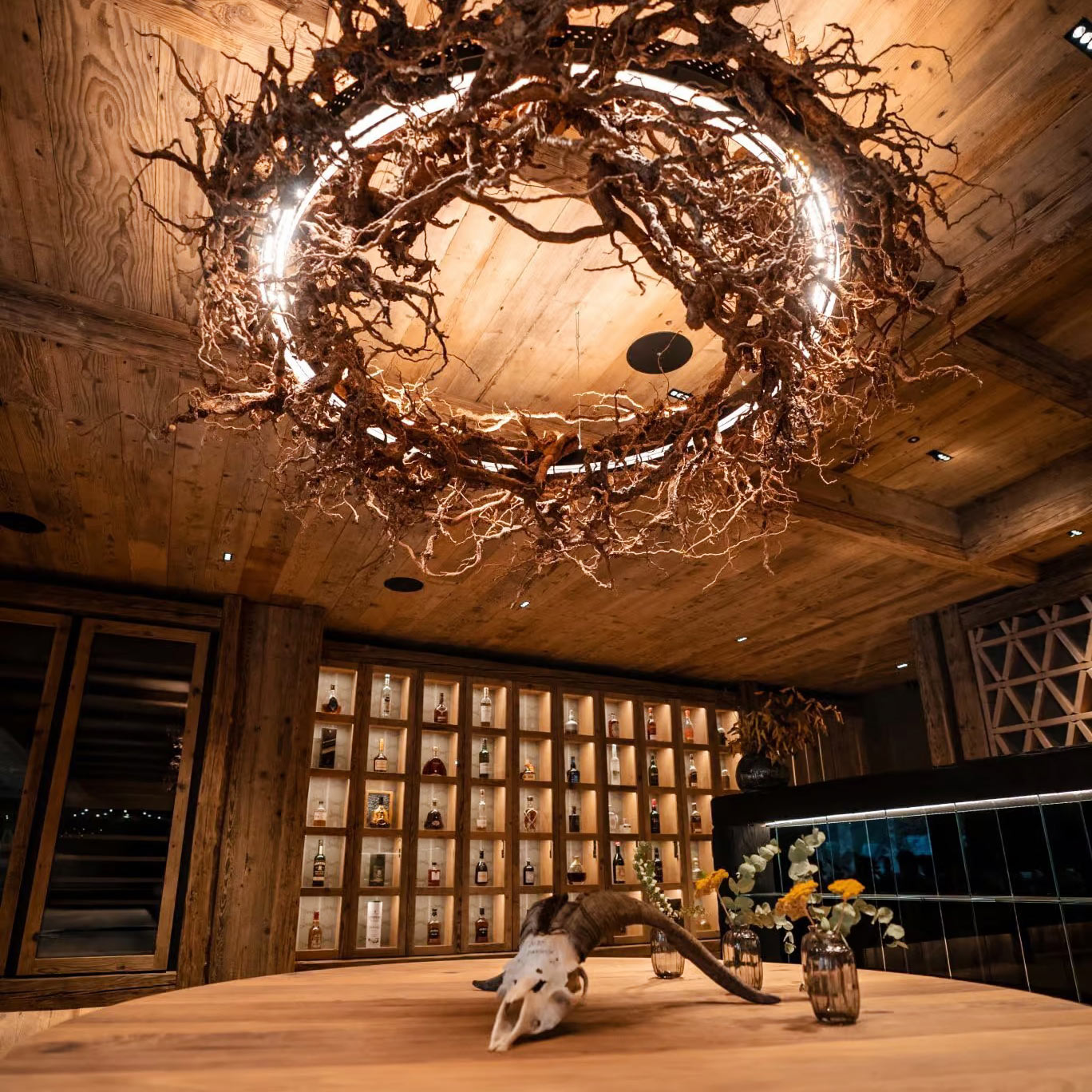
Built in 1902 as a hunting lodge for Adolf Muhr and later favored by King Alexander of Yugoslavia, Vila Muhr carries a patina of aristocratic history into its new life as a lakeside retreat. Its four suites are lined with larch and layered with natural textures, each with balconies that open to Alpine scenery and bathrooms fitted with either saunas or deep tubs. A fine-dining restaurant celebrates seasonal produce from the region.
L’Ovella Negra Mountain
Canillo, Andorra
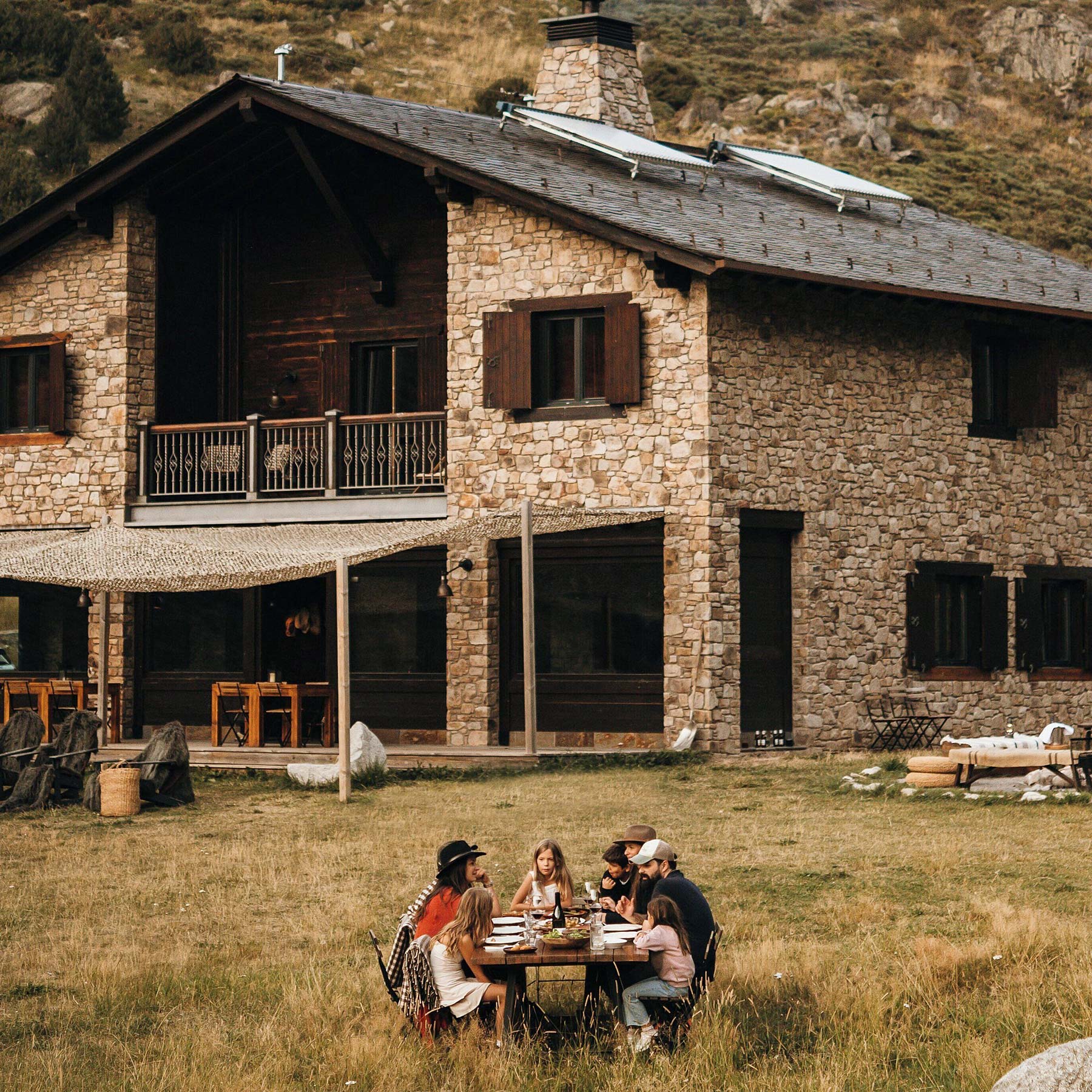
When a snowcat is needed in winter to pick you up, then you know you’ll be staying somewhere pretty remote. There are just four bedrooms at this wood and stone built mountain lodge, whose name means ‘black sheep’. Whether your day is spent mountaineering or skiing, hiking or just taking in the mountain air, you’ll find yourself happy to return to the coziness of the lodge with its roaring fire and hearty, seasonal food.
Palazzo Piccinno
Parabita, Italy
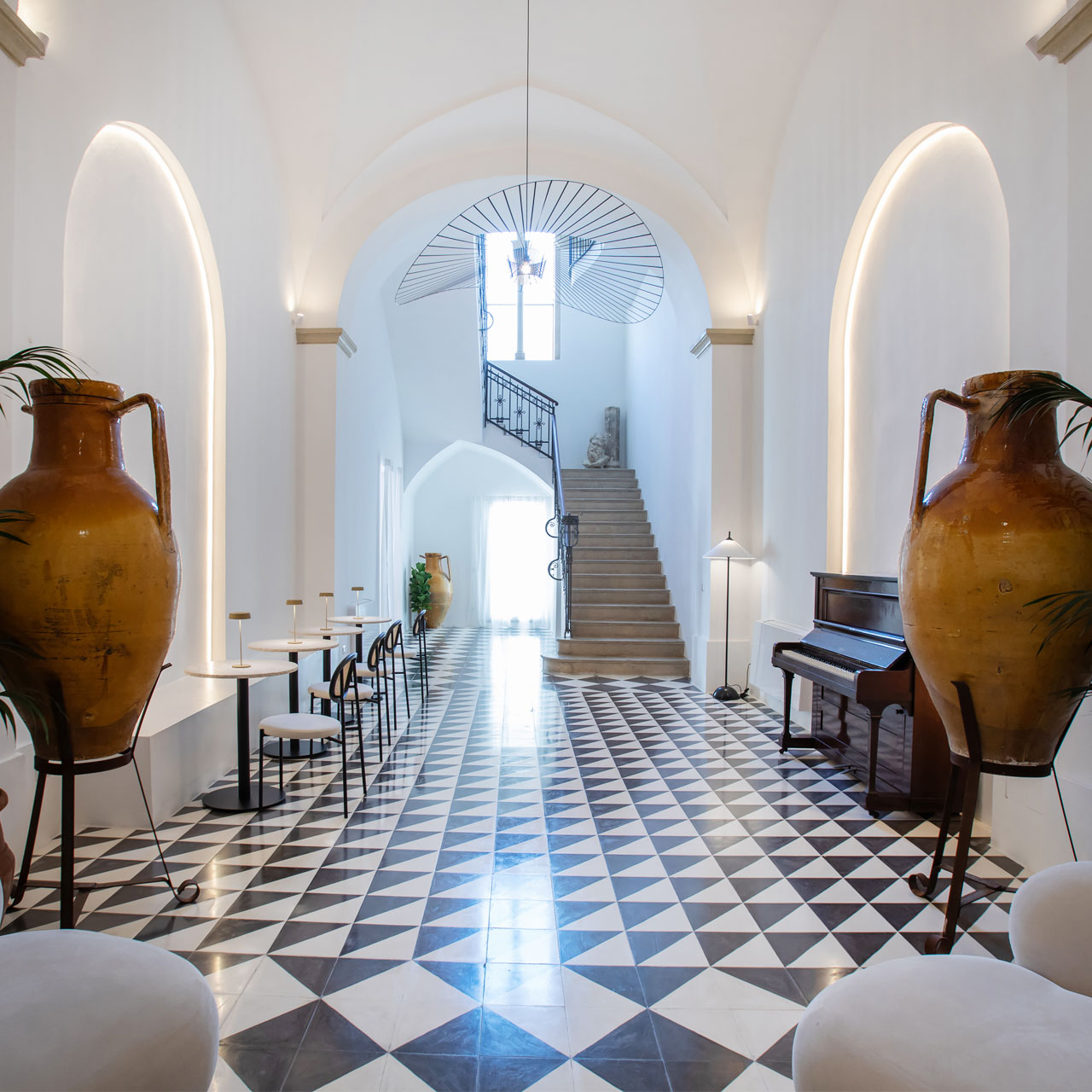
In architectural terms it’s a palazzo, no doubt, but don’t let the word’s associations mislead you as to its size. The century-old Palazzo Piccinno contains a mere four rooms, and is thus just about as intimate as they come. In contrast with many pocket-sized Puglian hotels, it’s no farmhouse — it’s set in the small town of Parabita. Not a busy location, by any means, but one that allows a hotel to lean in to its residential aspect.
Riad Dar Al Dall – This Time Tomorrow
Marrakech, Morocco
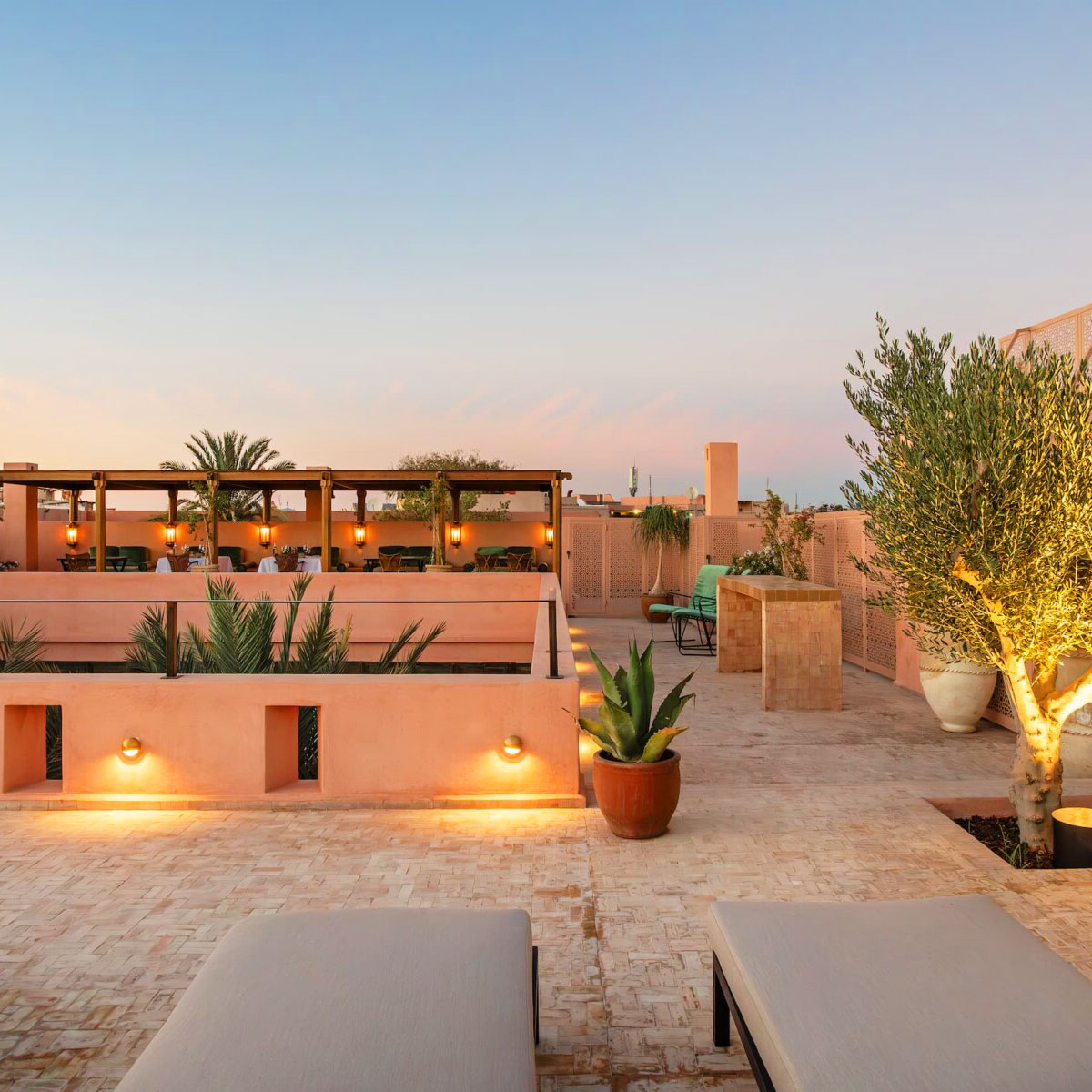
In the heart of Kaat Benahid, one of the oldest quarters of the medina, Dar Al Dall, or “House of Shadows”, offers five digital detox suites shaped for intentional living. Part of the This Time Tomorrow brand, the riad is rich with hand-chiseled tilework, carved plaster, and archways that throw soft patterns across the courtyard. There is a rooftop for lingering, a hammam for reset, and an open kitchen where couscous is made the proper way.
Maison Celeste
Mexico City, Mexico
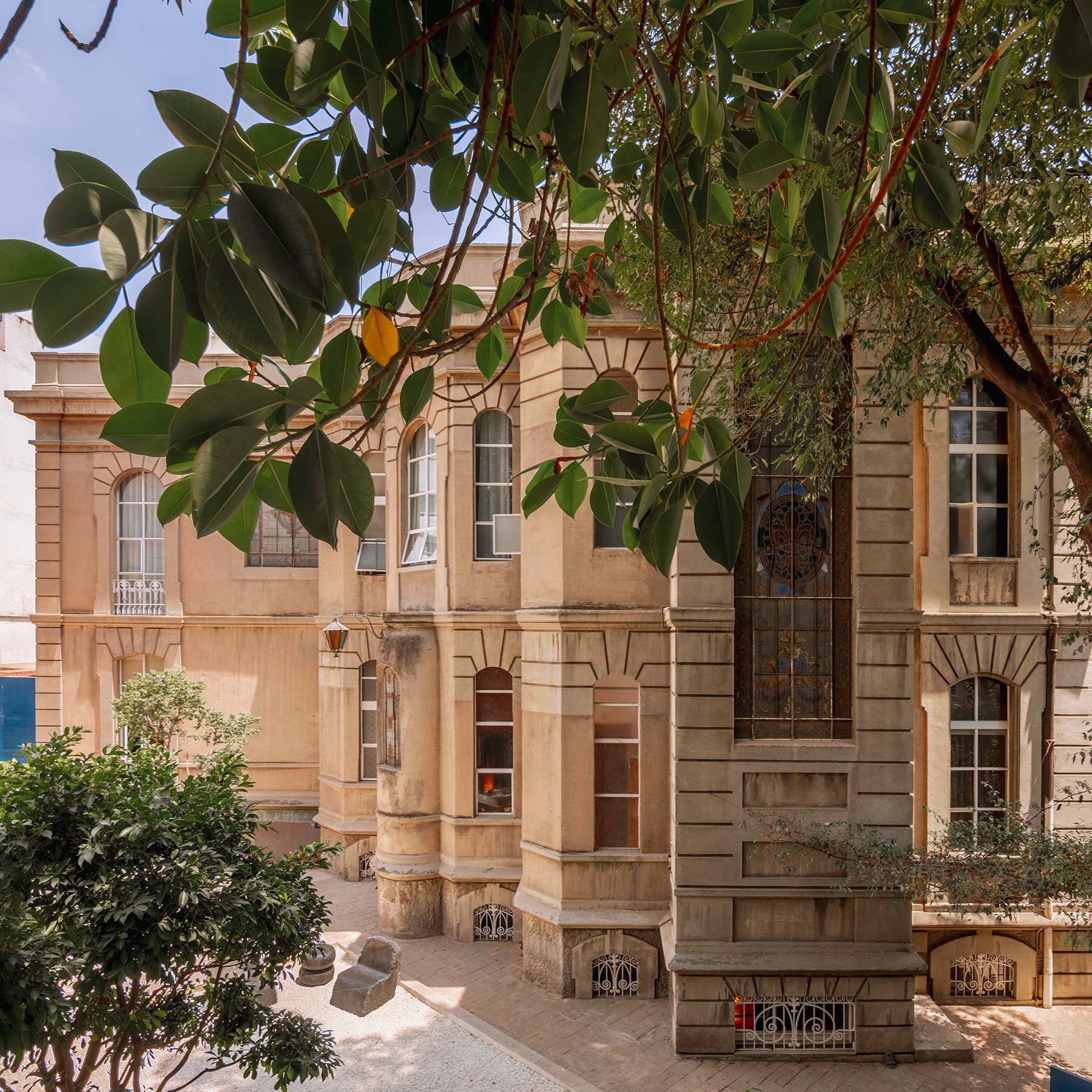
Colonial charm meets retro chic at Maison Celeste, an art-focused boutique hotel and gallery in Mexico City’s hip Roma Norte neighborhood. Many of the mansion’s historic details have been carefully preserved, and the minimalist ground-level rooms house permanent and rotating exhibitions. A sleek Japanese eatery is a fixture, and regular creative collabs mean plenty more to eat, drink, see, and buy on the premises.
The Penny Bun
Otley, UK
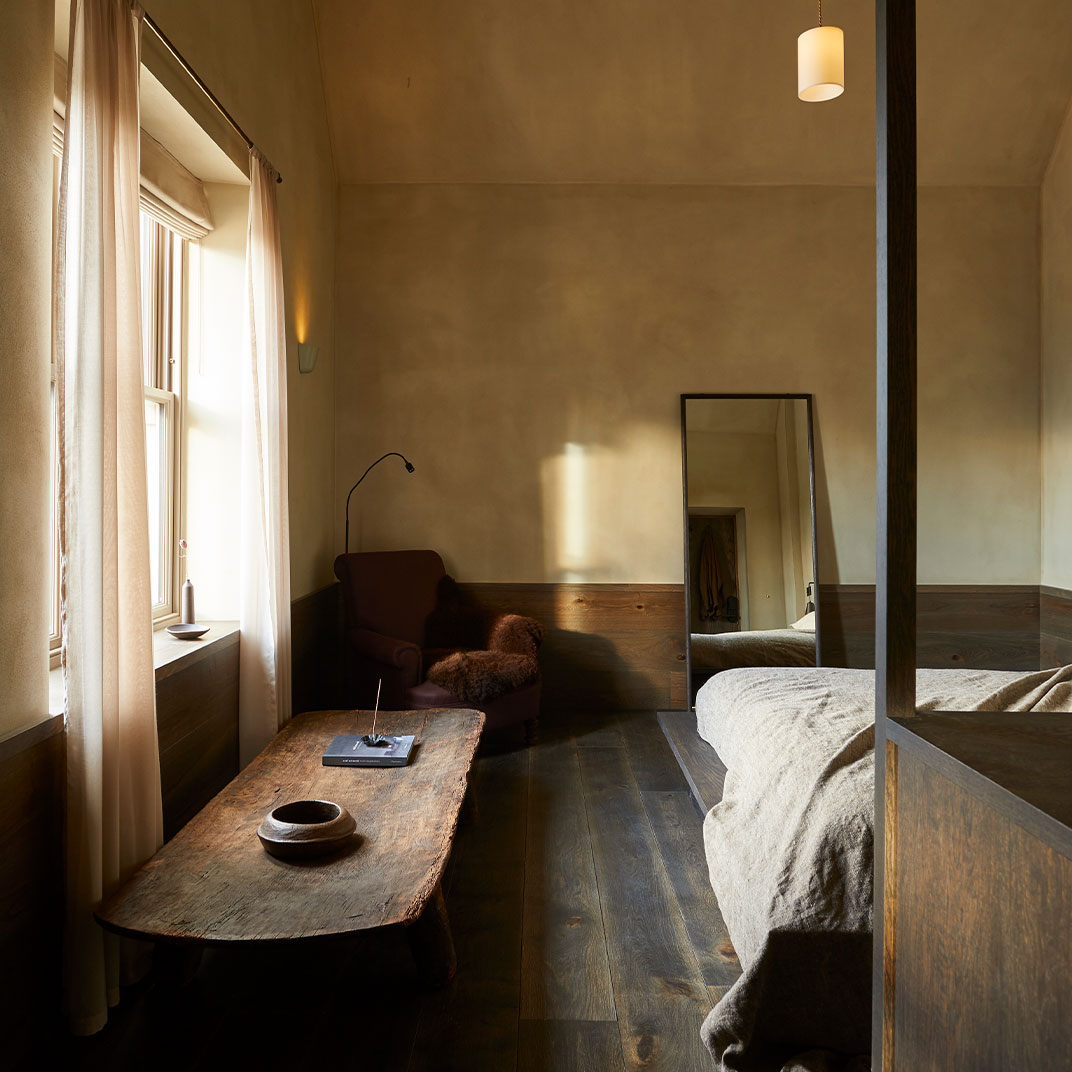
The Penny Bun, an old country inn turned into an elegant but down-to-earth boutique hotel in the North Yorkshire village of Askwith, epitomizes the English pub concept. The focus here is on gourmet food and drink — mostly locally sourced, the name a reference to a mushroom that grows nearby — and the experience of enjoying it by the glow of candlelight. The inn’s five rooms are free of screens and all other manner of distractions.
Chalet Sofija
Gozd Martuljek, Slovenia
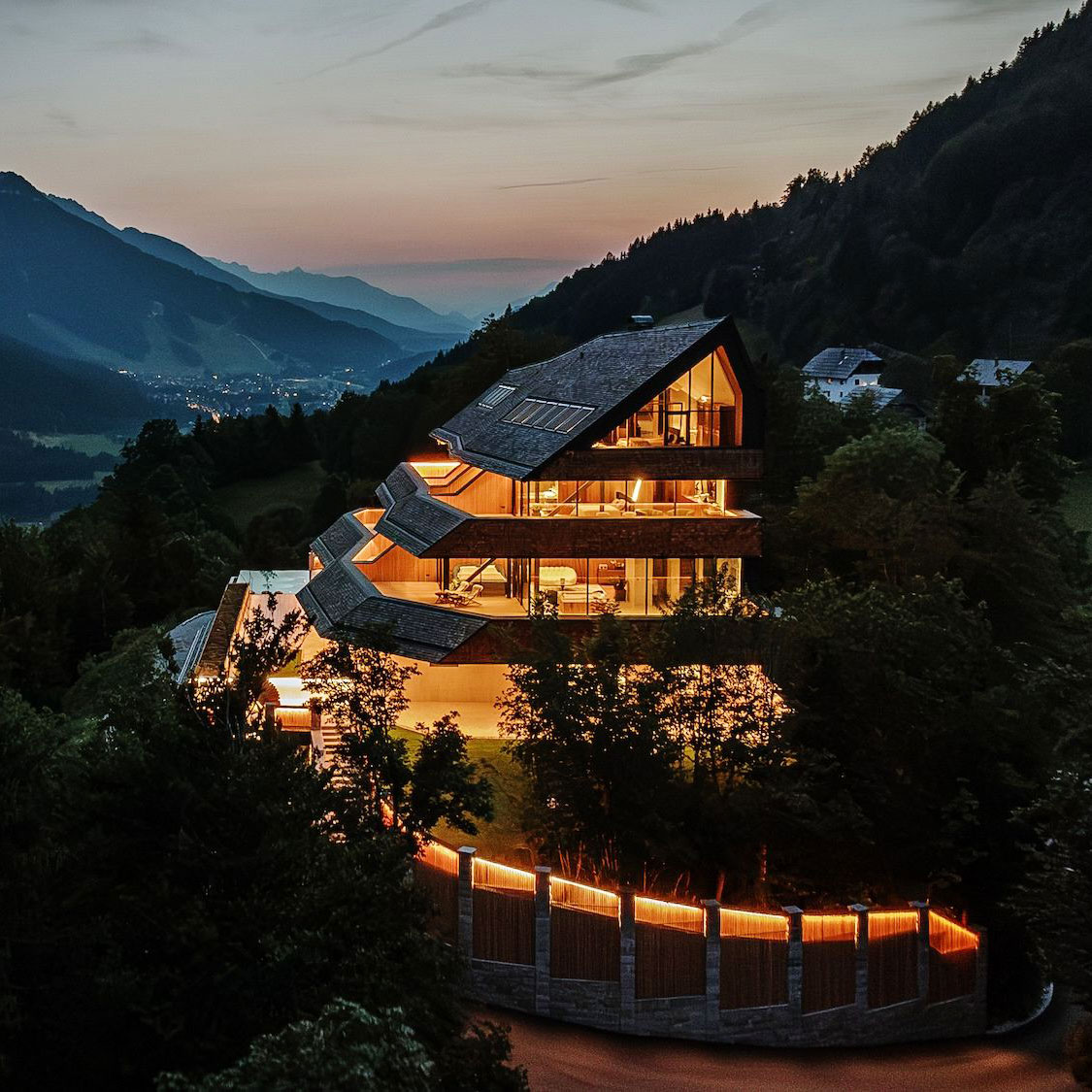
The owners of the highly regarded Gostilna AS in Ljubljana are behind this mountain retreat, a striking modernist structure set on the hillside above the Julian Alpine village of Gozd Martuljek. Chalet Sofija offers just five luxurious suites, but they’re only part of the experience. As you’d expect from restaurateurs of this caliber, Chalet Sofija places equal emphasis on its gourmet restaurant.

Mark Fedeli is the hotel marketing and editorial director for Tablet and Michelin Guide. He’s been with Tablet since 2006, and he thinks you should subscribe to our newsletter.