

Fourteen of our favorite hotels in Berlin — but before that, some reflections on a city that couldn’t stay “poor but sexy” forever. After that, a chance to give your thoughts on a changing Berlin.

By Monica Dang
Global Marketing Director, Tablet Hotels
Ask any Berliner and they’ll tell you the same thing: the old Berlin is gone. It doesn’t matter which neighborhood you’re standing in or which decade they’re remembering — the city is so steeped in history, so practiced at reinvention, it’d be pointless to dispute.
I was in my 20s when I first visited Berlin and earned my first entry into Berghain, the legendary nightclub. To discourage people from taking photos (and encourage them to be truly present), a bouncer placed a sticker over the camera of my phone, another first for me. It was a sign of the night to come, and a symbol of my time in the city. I left Berlin with a feeling familiar to any young American abroad — European living felt freer, less commercial, more improvisational than the branded parties and sponsored cool of New York and LA.
In 2003, Mayor Klaus Wowereit gave the city a new rallying cry: poor but sexy. My subsequent visits inhabited that lifestyle, mostly available in the former East Berlin. My husband had once lived there, and his nostalgia guided our visits: borrowed walk-up apartments in Neukölln, beers on a long afternoon in Tempelhof Park, late dinners in Kreuzberg. That version of Berlin, built on experimentation and affordability, felt like it could go on forever. The fact that those neighborhoods were technically in the West was irrelevant. “The East” is an idea more than a fixed location.
In the book Perfection by Vincenzo Latronico, a couple moves to Berlin in search of cheap rents and authenticity: “In their minds they mostly hung out in former East Berlin, because that was what they associated with the derelict apartment blocks and the feeling of abundance and freedom. But to them East Berlin included Kreuzberg and Neukölln — actually in the former West.”
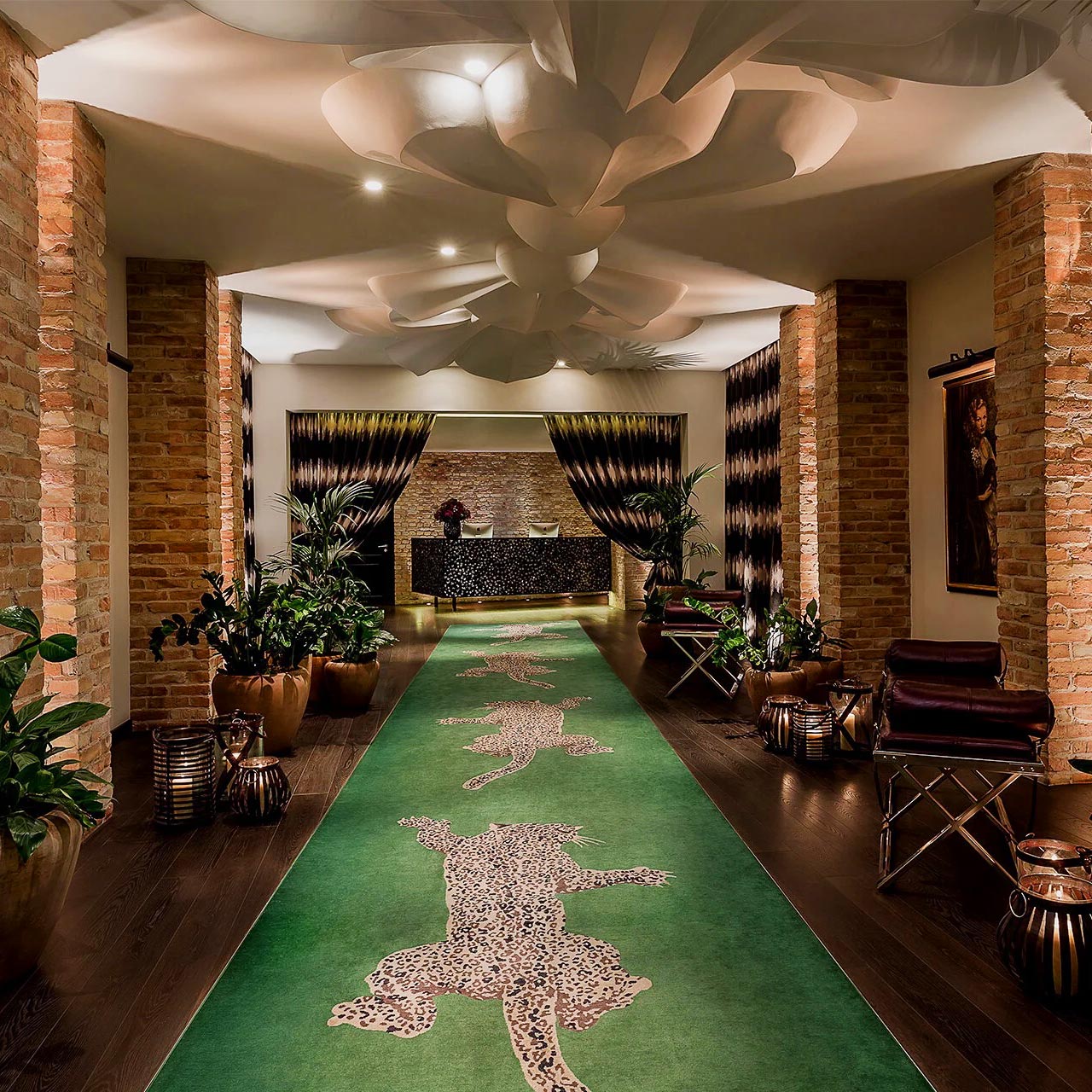
On one visit, we stayed at Hotel Zoo, a wedding gift from a family friend. Suddenly, we were undoubtedly in the West. Coming out of the U-Bahn, the contrast was immediate. The city felt neater, more composed, more assured of itself. Hotel Zoo sits on Kurfürstendamm, West Berlin’s grand boulevard. Built in 1891, it began as a private residence before opening as a hotel in 1911, becoming a haunt for Berlin’s bohemian set. A recent reinvention pays homage to that history. The façade keeps its 19th-century elegance, while the “Catwalk” entrance leads you to the lobby down a jade-green, leopard-laden runner.
I leaned into the West. I shopped the luxury boutiques of Kurfürstendamm, promising myself I’d claim VAT refunds. I ate at sleek, upscale versions of East Berlin’s brunch spots and Vietnamese restaurants. Everything felt more orderly, more conventionally German than the Kreuzberg and Neukölln I knew better, where the Turkish and middle-eastern influence is woven into the streetscape. The feeling of anarchy and melding of cultures I associated with Berlin did not feel present here.
On our most recent trip, we stayed in another borrowed apartment, this time a fifth-floor walk-up in north Berlin. With a toddler and stroller in tow, we spent much of our time on trains, tracing the same routes we once took in our twenties but seeing them differently. With a child, Berlin looked new in every way: the metro’s accessibility, the themed playgrounds — a dragon in Volkspark Friedrichshain, an animal farm in Görlitzer Park I’d passed but never noticed. Days were planned around playground stops instead of nights that began at eleven.
We had changed. The city had changed, too. As Latronico wrote, “Their friends’ indie art spaces and small ateliers either closed down due to rising fair fees, sold out to blue-chip galleries, or moved to Brussels, Naples, or Leipzig… The queue at Berghain kept getting longer, or their patience shorter.”
Visit a city often enough and you’ll “know” a place, but unless you live there, the changes only register in dramatic jolts, not the slow metamorphosis that residents observe. The change is constant, each point of interest on its way to or from being a thing you value. In a world of franchise restaurants and identical coffee shops, I value the handmade. In Berlin, it’s still there for me, in the in-between spaces. That’s what I keep coming back for. I just have to look a little harder now.
See our entire selection of boutique hotels in Berlin.
Below, fourteen of our favorite hotels in Berlin. Then, in the comment box at the end, let us know your thoughts on Berlin: how it’s changed, how it hasn’t, and how you’ve see it all as a visitor or resident.
Patrick Hellmann Schlosshotel
Berlin, Germany
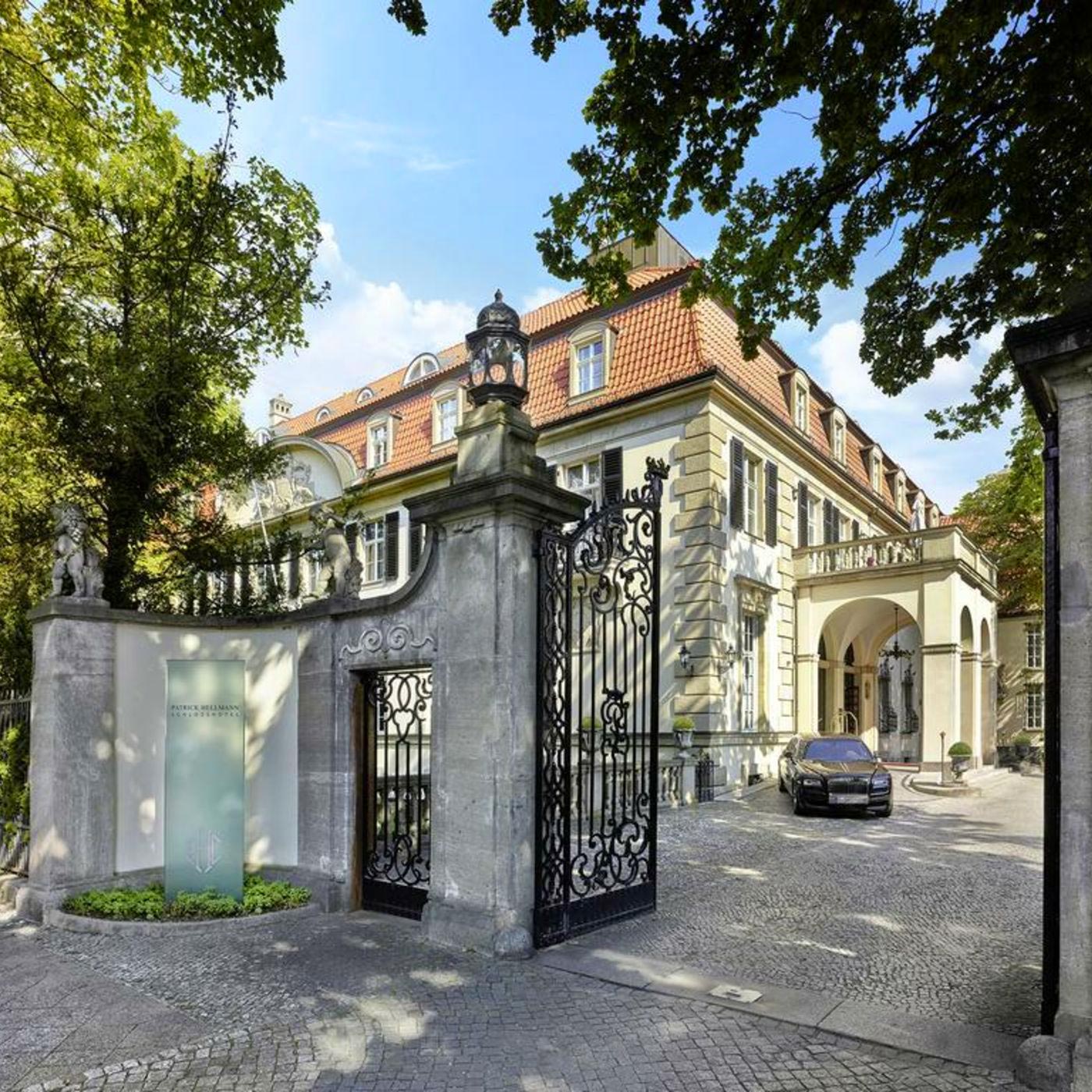
Located on a verdant, tree-lined suburban street, the only thing that distinguishes Patrick Hellmann Schlosshotel from the other mansions in Grunewald is a small sign lit subtly in white lights. Not surprisingly, it started out as a private residence in 1914. Subsequent renovations by Patrick Hellmann split the difference between reverent Bavarianism and sleek contemporary poise.
Hotel Orania
Berlin, Germany
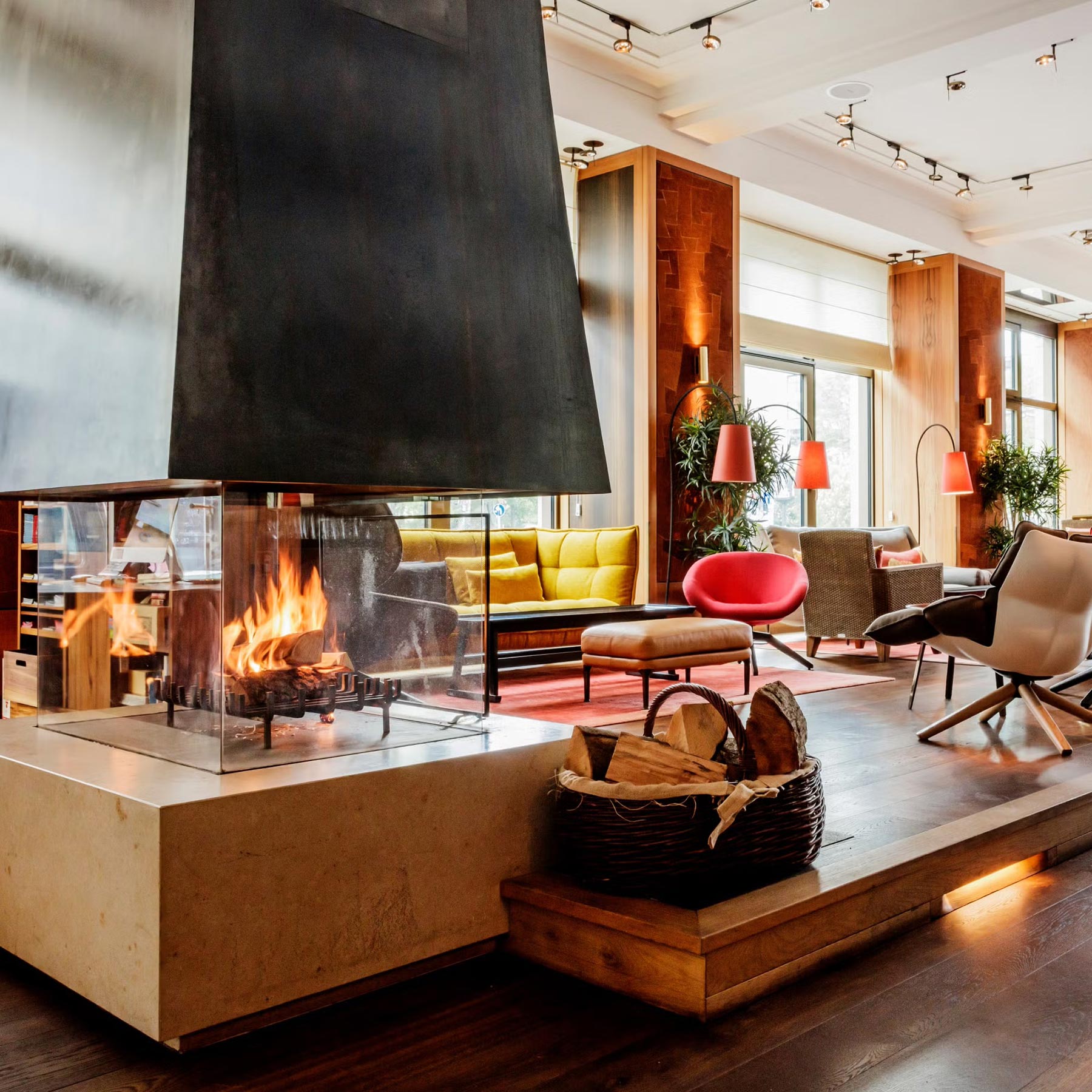
Originally intended as an office building in 1912, the building that now houses the Orania survived the destruction of two world wars to emerge as a classic remnant of old Berlin in the city’s hip Kreuzberg neighborhood. Designed by hotelier Dietmar Mueller-Elmau, owner of the famous Schloss Elmau in the Alps, the rooms are eclectic, a bit bohemian in their visual style, but verge on the extravagant in their comforts.
Gorki Apartments
Berlin, Germany
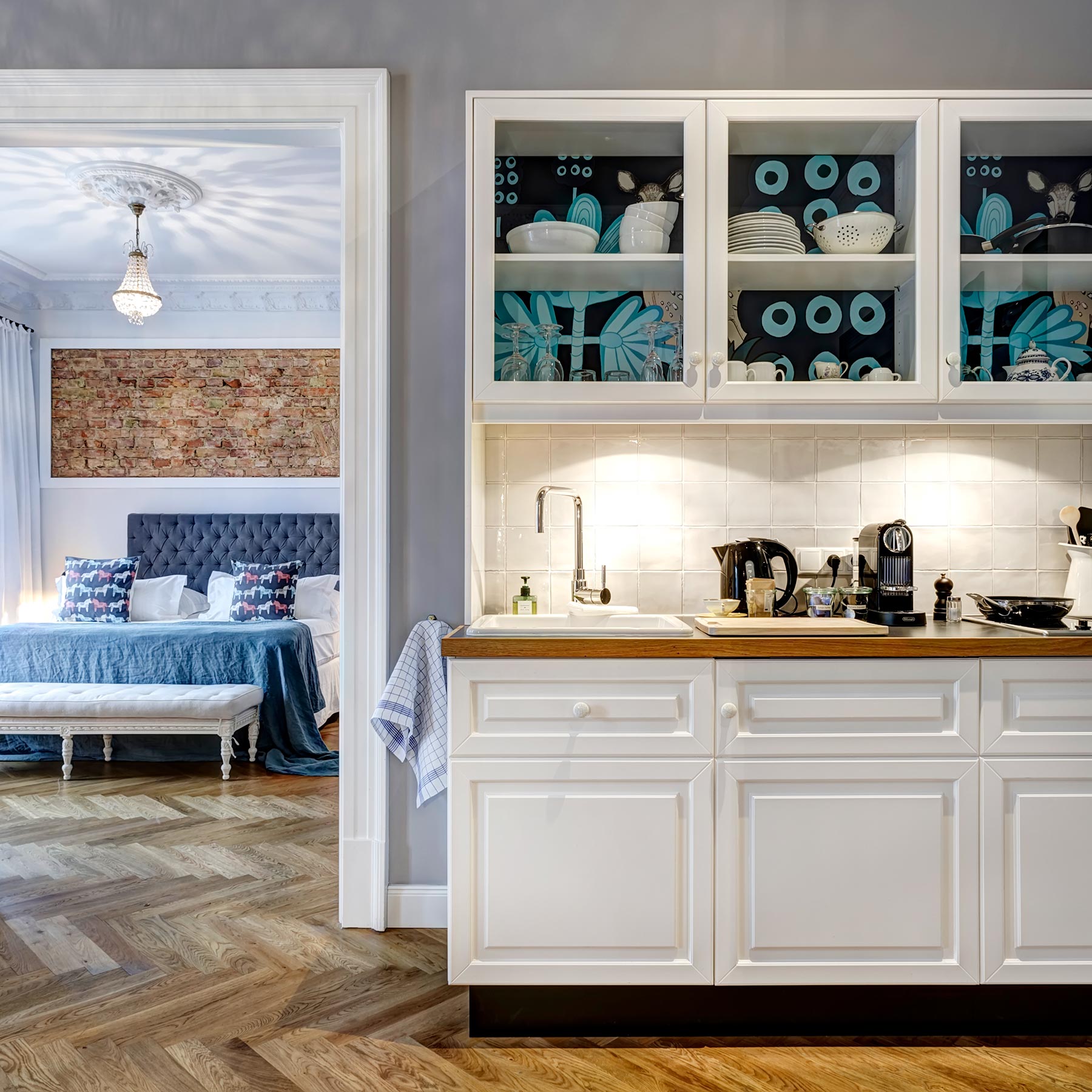
Put simply, it’s the sort of hotel we’ve been wanting to see from Berlin for a while. Built in a 19th-century residential building in Mitte, the district that’s still right in the mitte of everything that matters in Berlin, the charmingly oddball Gorki Apartments are just what the doctor ordered: a proper hipster hotel without any of the off-putting try-hardness that sinks many a similar effort.
Telegraphenamt
Berlin, Germany
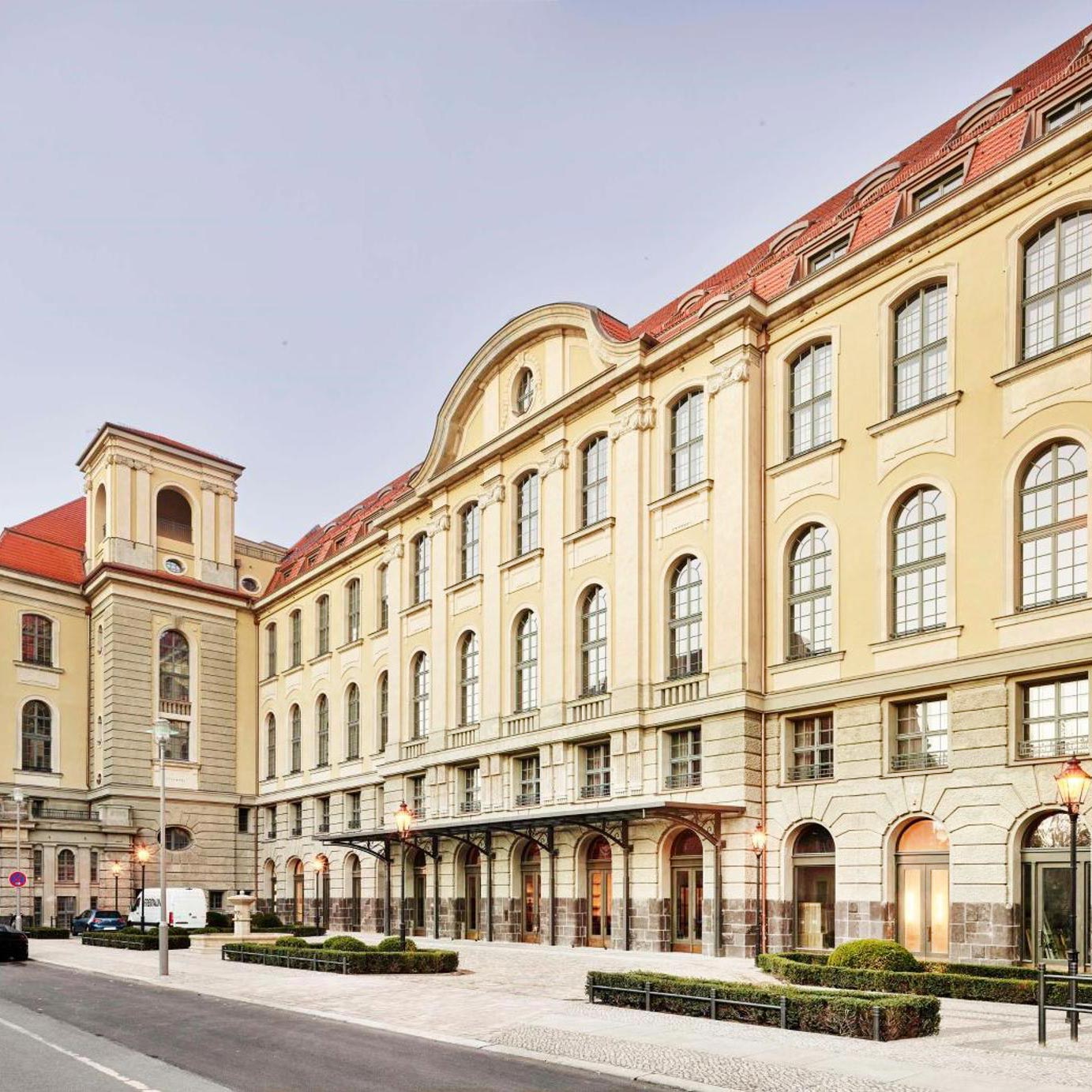
This neo-Baroque telegraph office was built back in 1910, in an era when even utilitarian industrial structures were expected to serve a partly ornamental purpose. Today this landmark has been put to use as Telegraphenamt Berlin, a stylish boutique hotel that freely mixes stark bare brick and exposed girders with Deco flourishes and classic modernism.
So/ Berlin Das Stue
Berlin, Germany
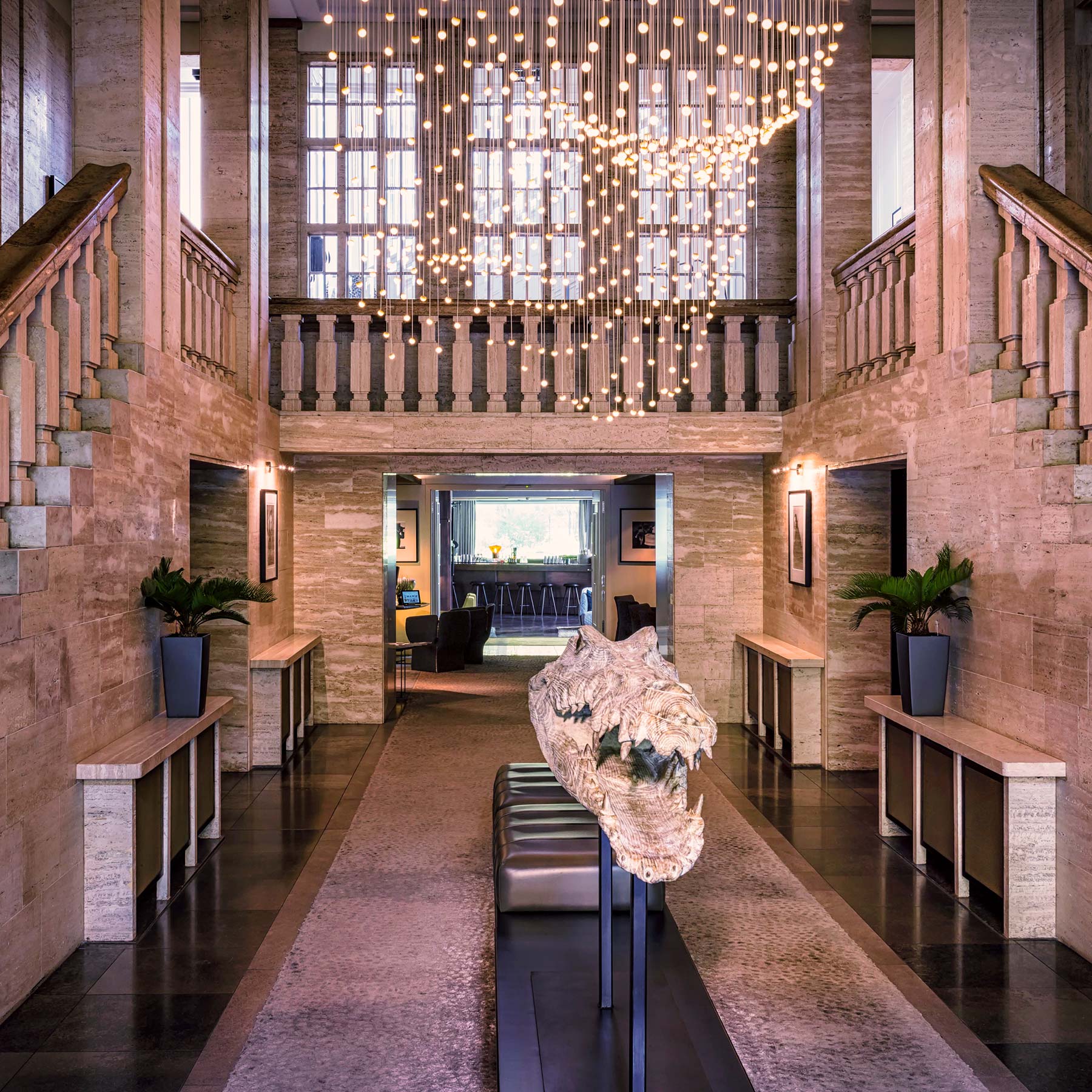
This Thirties embassy building was built to convey a grand impression — and as Das Stue, the tradition continues. Its atmosphere, after a massive architectural overhaul by Annette Axthelm and an interior renovation by the renowned Spanish designer Patricia Urquiola, is about as far as you can get from the boxes-and-boxes sameness of the typical contemporary hotel.
Wilmina Apartments & Lofts
Berlin, Germany
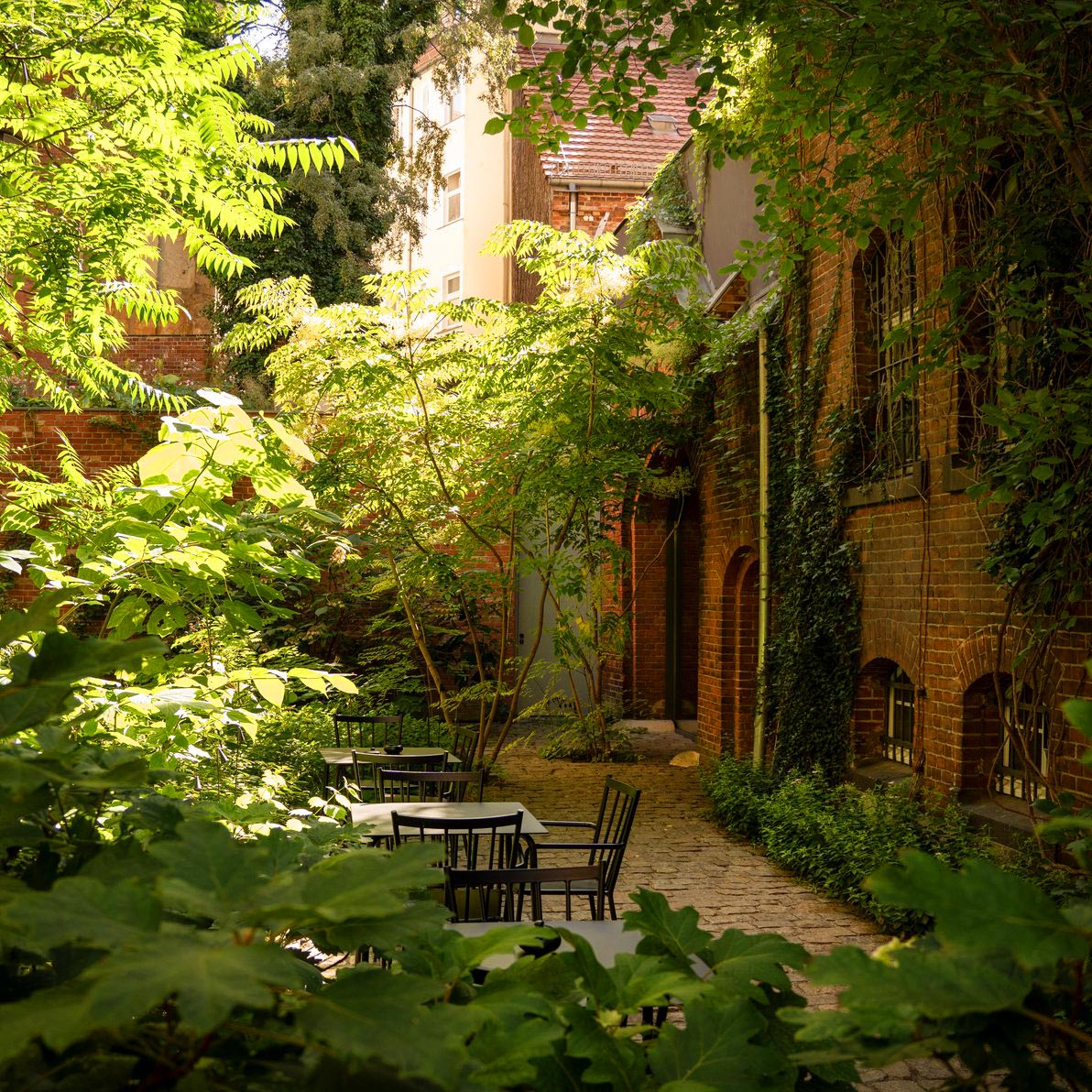
Right next door to Berlin’s Wilmina Hotel is something that shares an outlook, if not a visual aesthetic. Wilmina Apartments & Lofts occupies a modern building by Grüntuch Ernst Architects, and it’s connected to its sister via a courtyard garden. But inside you’ll find not conventional hotel rooms but loft-style apartments, decorated in a more decidedly modernist and minimalist style.
Wilmina Hotel
Berlin, Germany
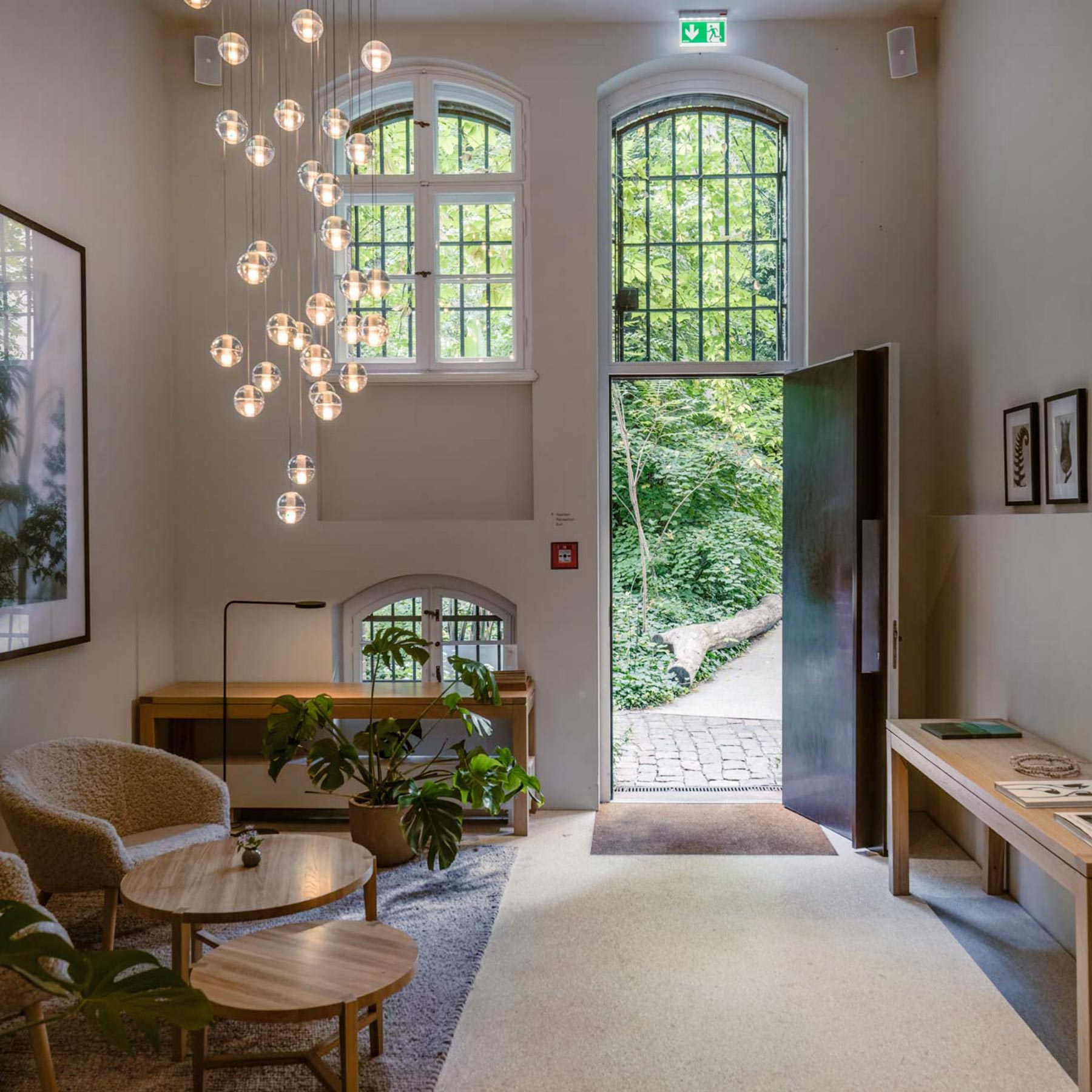
A former courthouse and women’s prison in Charlottenburg is the unexpectedly gorgeous raw material for Wilmina, a boutique hotel whose renovation leaves much of its original detail intact, but turns its atmosphere 180 degrees from its original purpose — and the sheer welcoming tranquility of the place is similarly the polar opposite of the edgy, confrontational approach favored by many other Berlin boutique hotels.
Roomers Berlin Steinplatz
Berlin, Germany
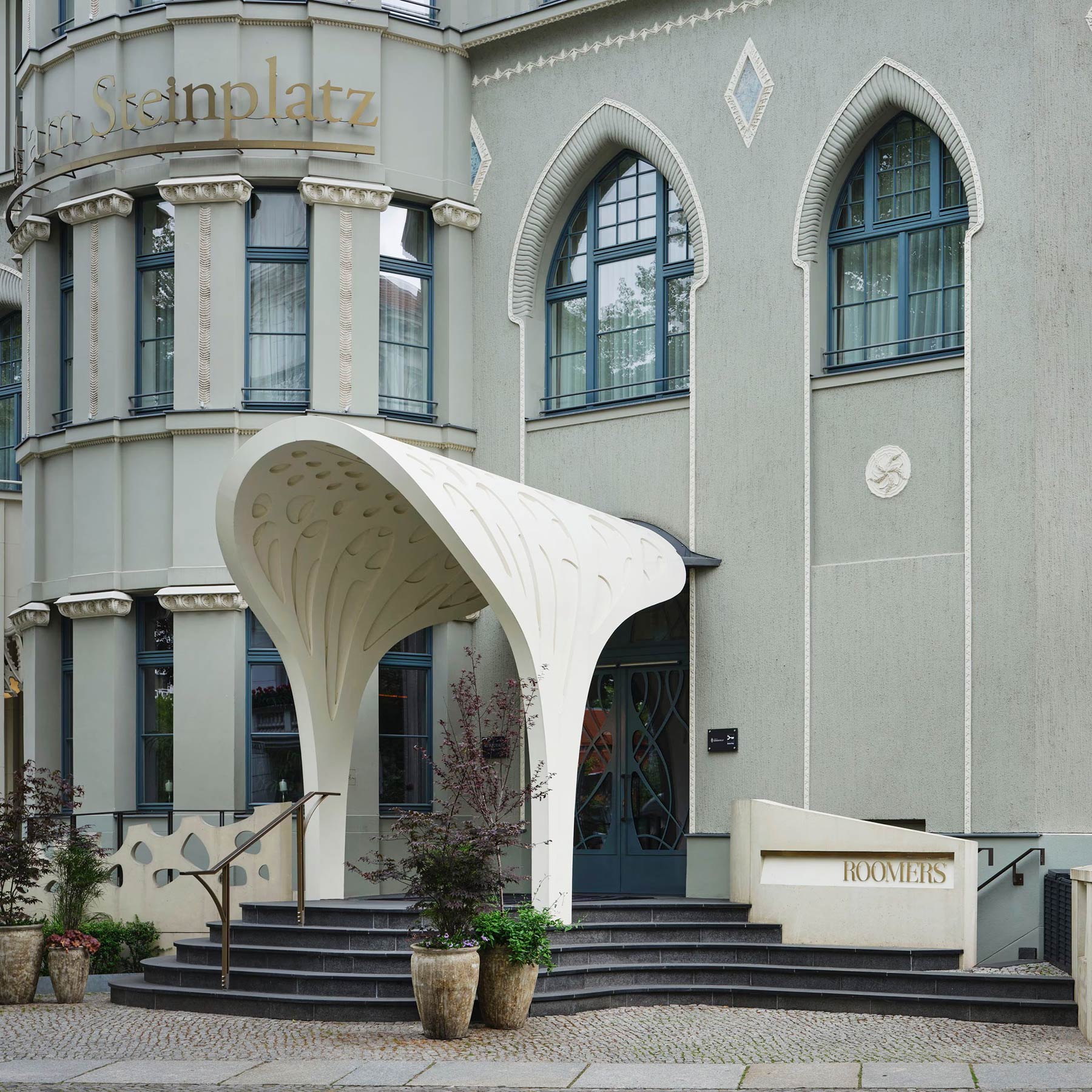
Going back to 1913, the hotel now known as Roomers Berlin Steinplatz has always had a glamorous reputation, counting Vladimir Nabokov and Brigitte Bardot among its famous guests. One hundred years later, the Art Nouveau landmark reopened as a sleek, twenties-inspired boutique hotel that helped lure visitors out of the Mitte and into an up-and-coming West Berlin neighborhood like Charlottenburg.
Château Royal Berlin
Berlin, Germany
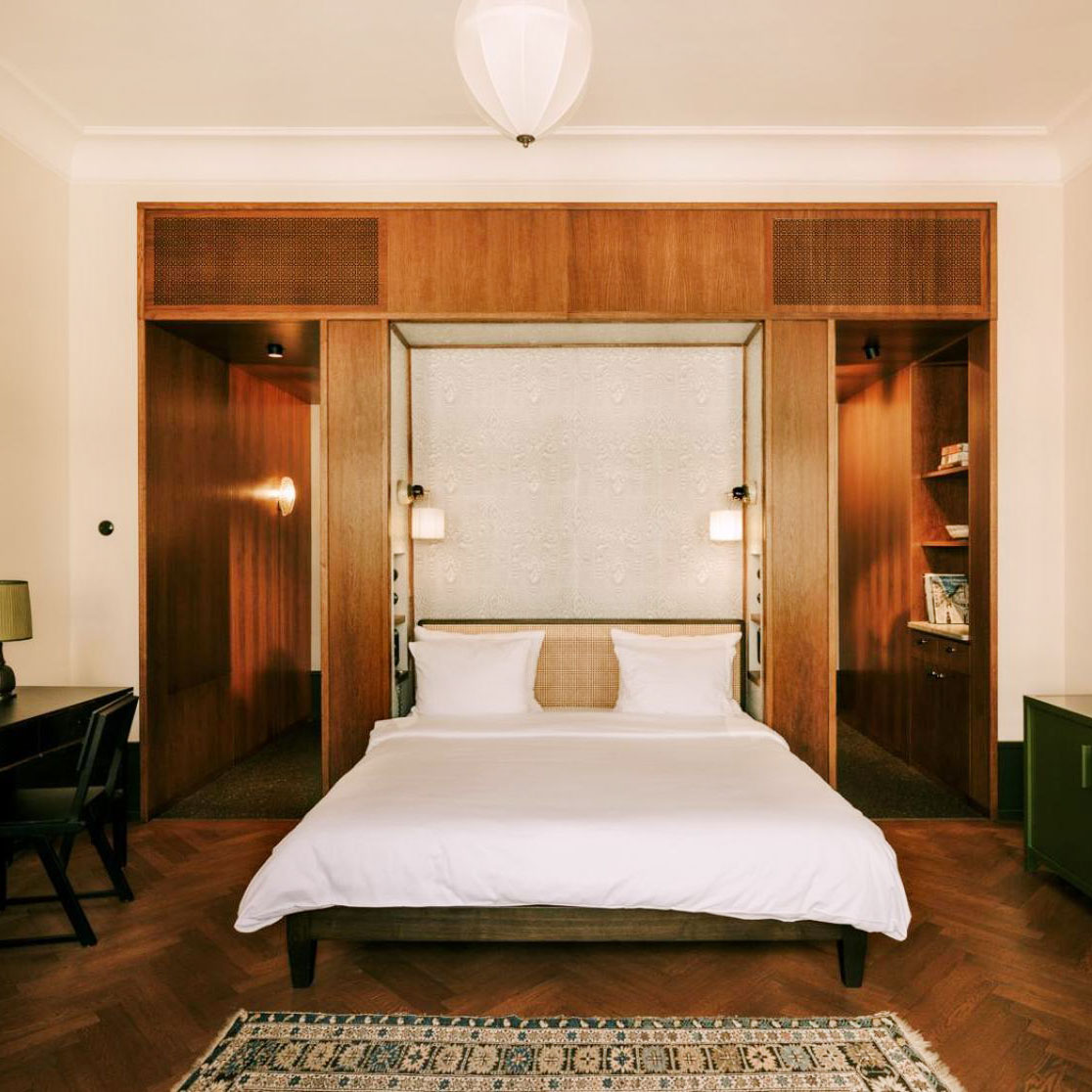
From the exterior, it might look a bit more traditional than what you’d expect from a boutique hotel in the former East Berlin, but hotels like Château Royal are a big part of what makes this city perennially hip, and not just fleetingly fashionable. It’s made from a pair of historic buildings, one from the mid-19th century and another from the early 20th, and its interiors are inspired by both eras.
Michelberger Hotel
Berlin, Germany
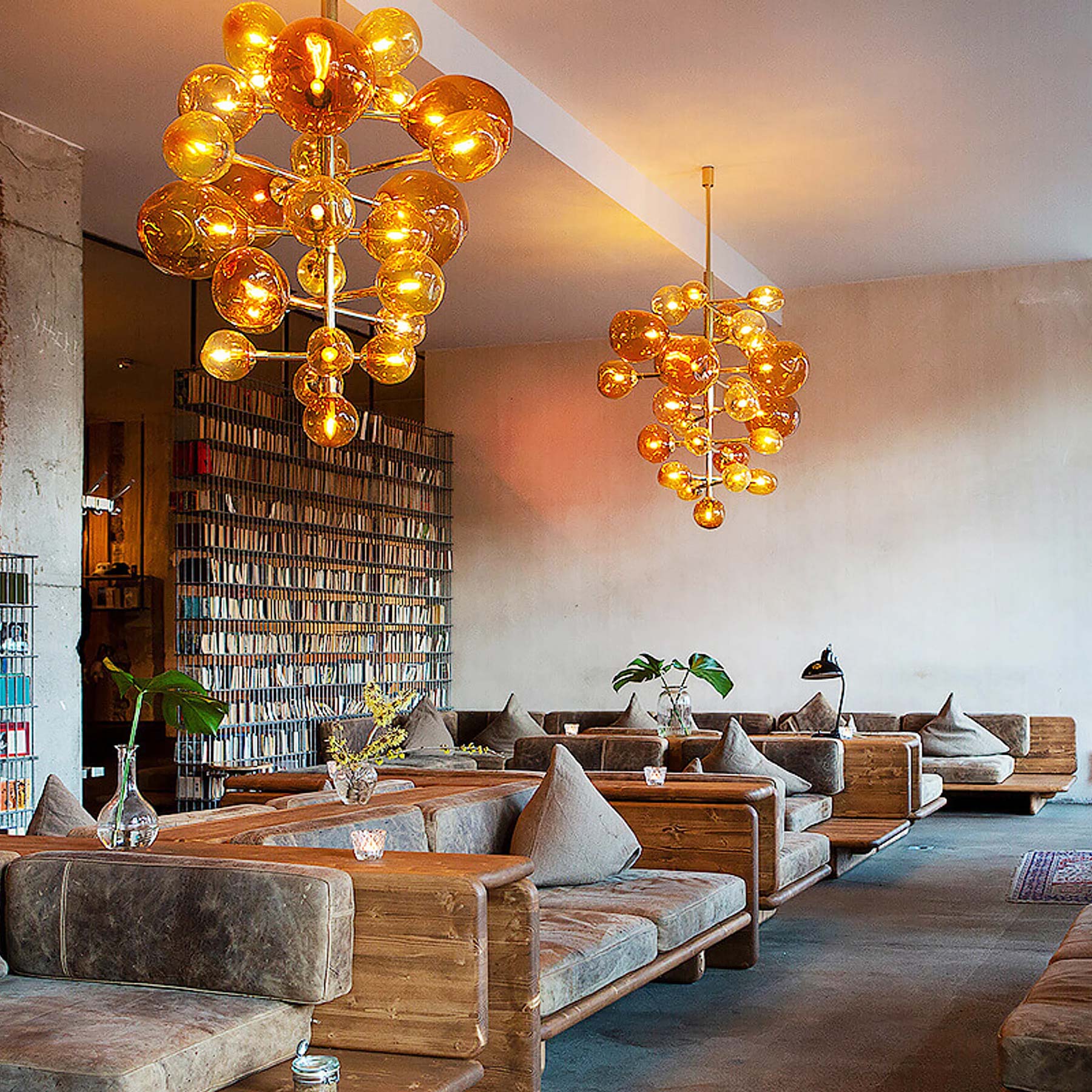
Time and again we’ve seen stylish hotels pitch themselves to the creative class, and then price themselves too high for their intended audience to afford. It’s even more important in Berlin that the hip hotels make allowances for guests with more taste than cash. Enter the Michelberger, where bankers and lawyers are by no means excluded, but neither is anyone else.
Hotel Zoo
Berlin, Germany
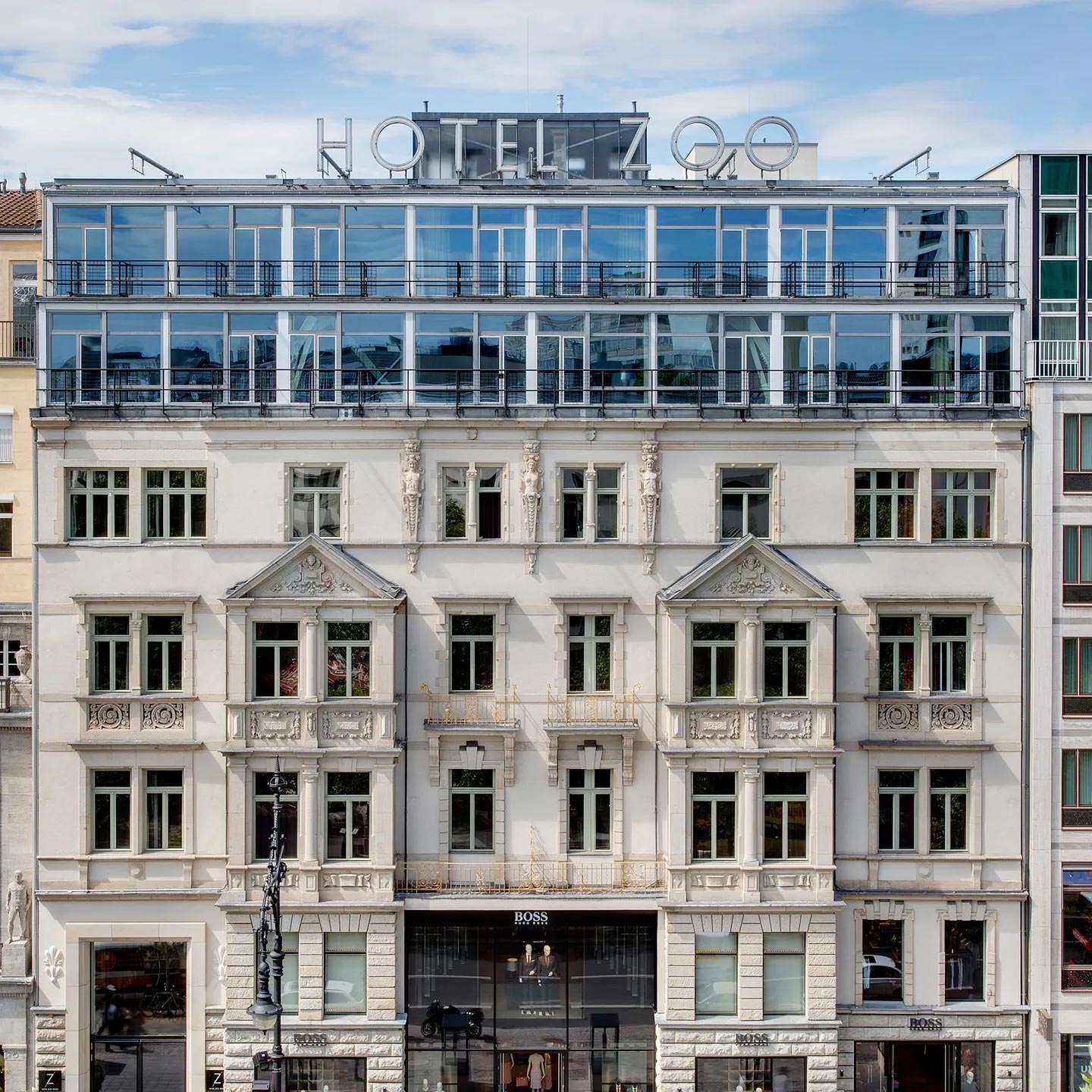
A thorough renovation at the hands of the American designers Dayna Lee and Ted Berner leaves the Hotel Zoo looking better than ever. The façade and basic structure have been lovingly restored to its nineteenth-century heyday, and the interiors have been completely re-imagined. Modern fixtures and electronics exist side-by-side with classically inspired furnishings and décor that explicitly recalls the golden age of the Twenties.
sly Berlin
Berlin, Germany
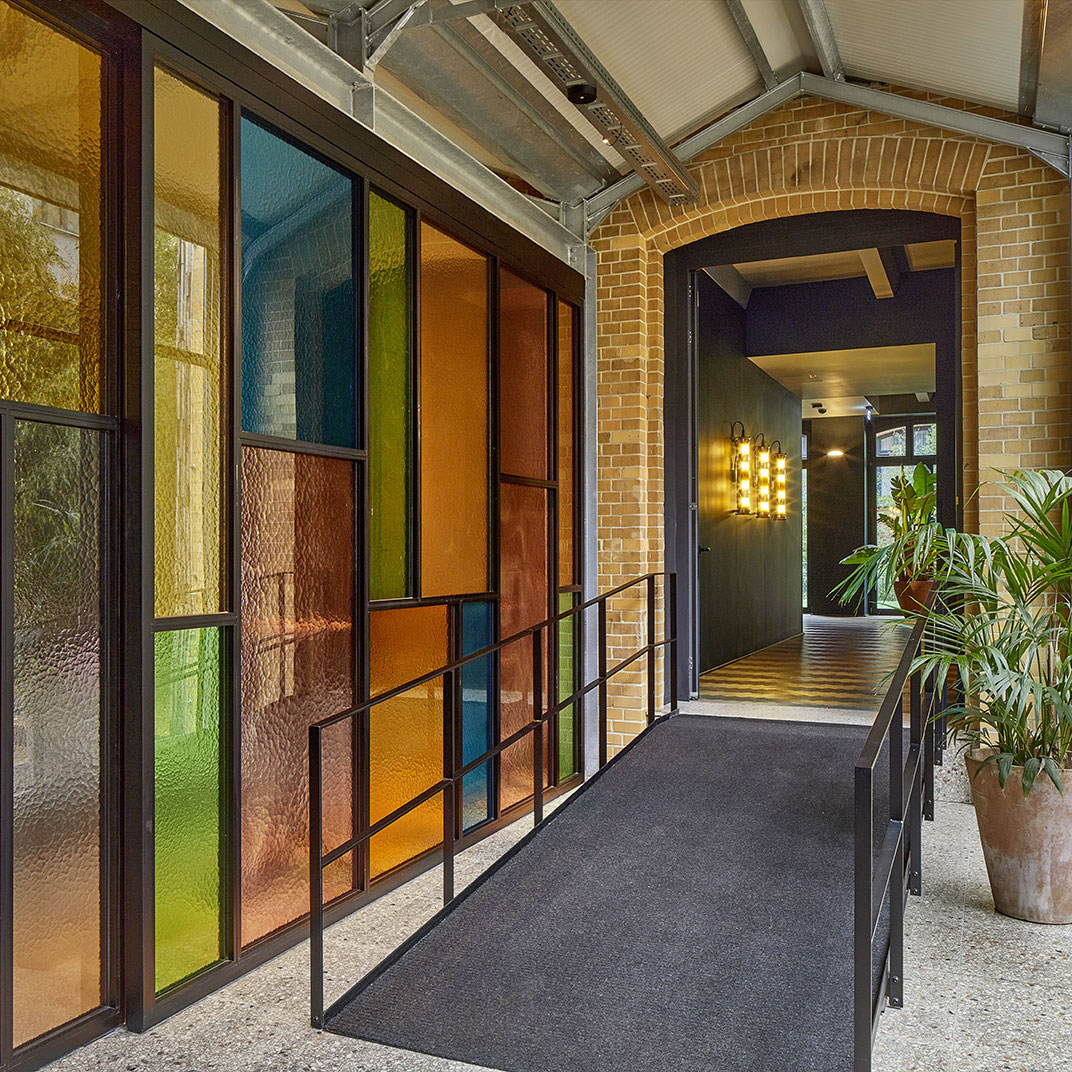
Sly Berlin stakes out a corner of Friedrichshain that’s rapidly evolving. This spot, closer to Volkspark Friedrichshain than to the Spree, is close to the heart of all that’s cool in the so-called New East. The 150 rooms are as stylish as you’d expect, and perhaps warmer and more richly figured; parquet floors and classic design pieces share space with Marshall bluetooth speakers.
Linnen
Berlin, Germany
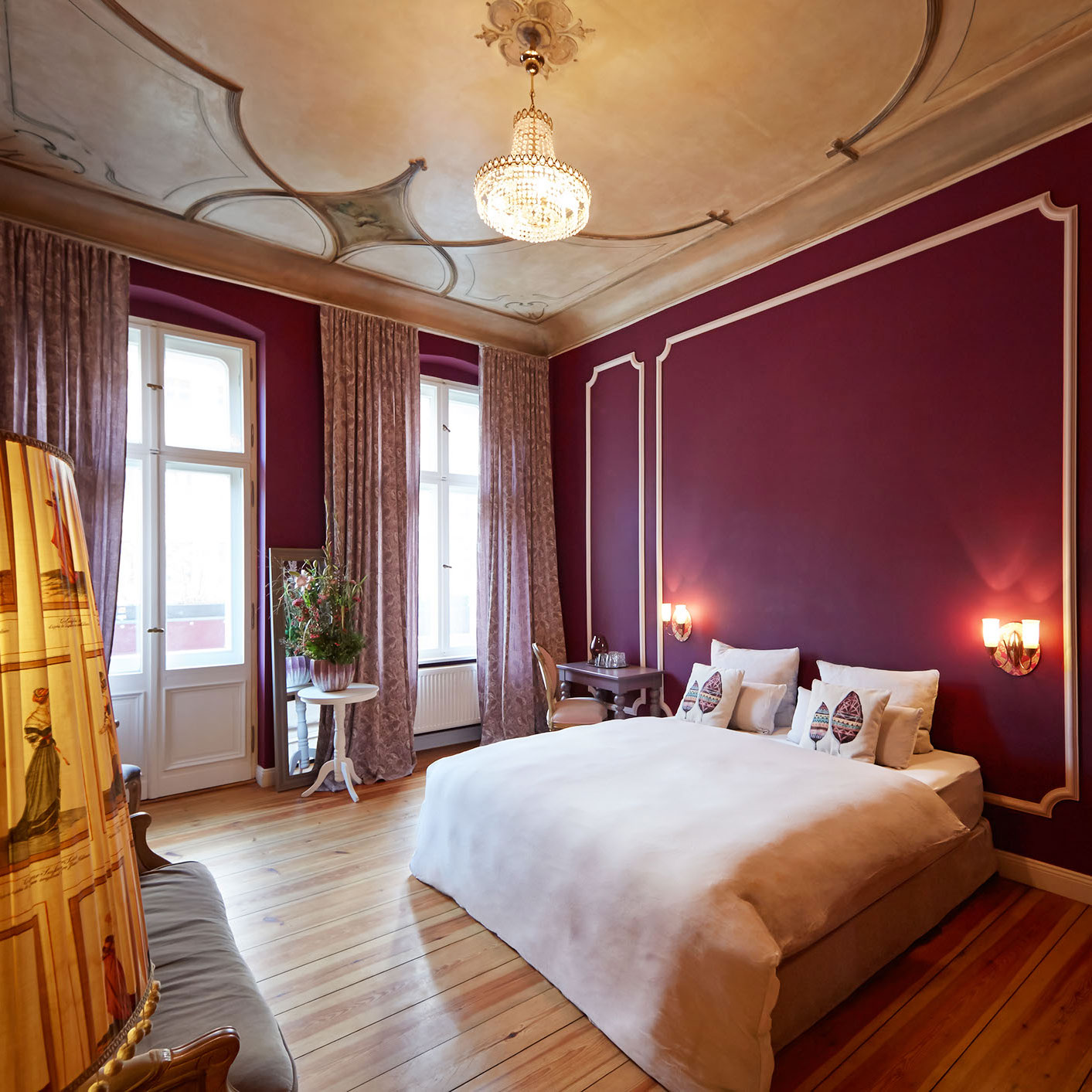
Call it an urban inn, a serviced apartment, a home-stay with a little extra privacy — whatever it is, Prenzlauer Berg’s five-room Linnen isn’t a typical hotel. Check-in takes place in a quirky little café on the ground floor, where you’ll often find one of the owners chatting with local coffee-drinkers and welcoming in new guests. Continue upstairs and you’ll find five homey, off-beat rooms that are positively packed with character.
Hotel de Rome
Berlin, Germany
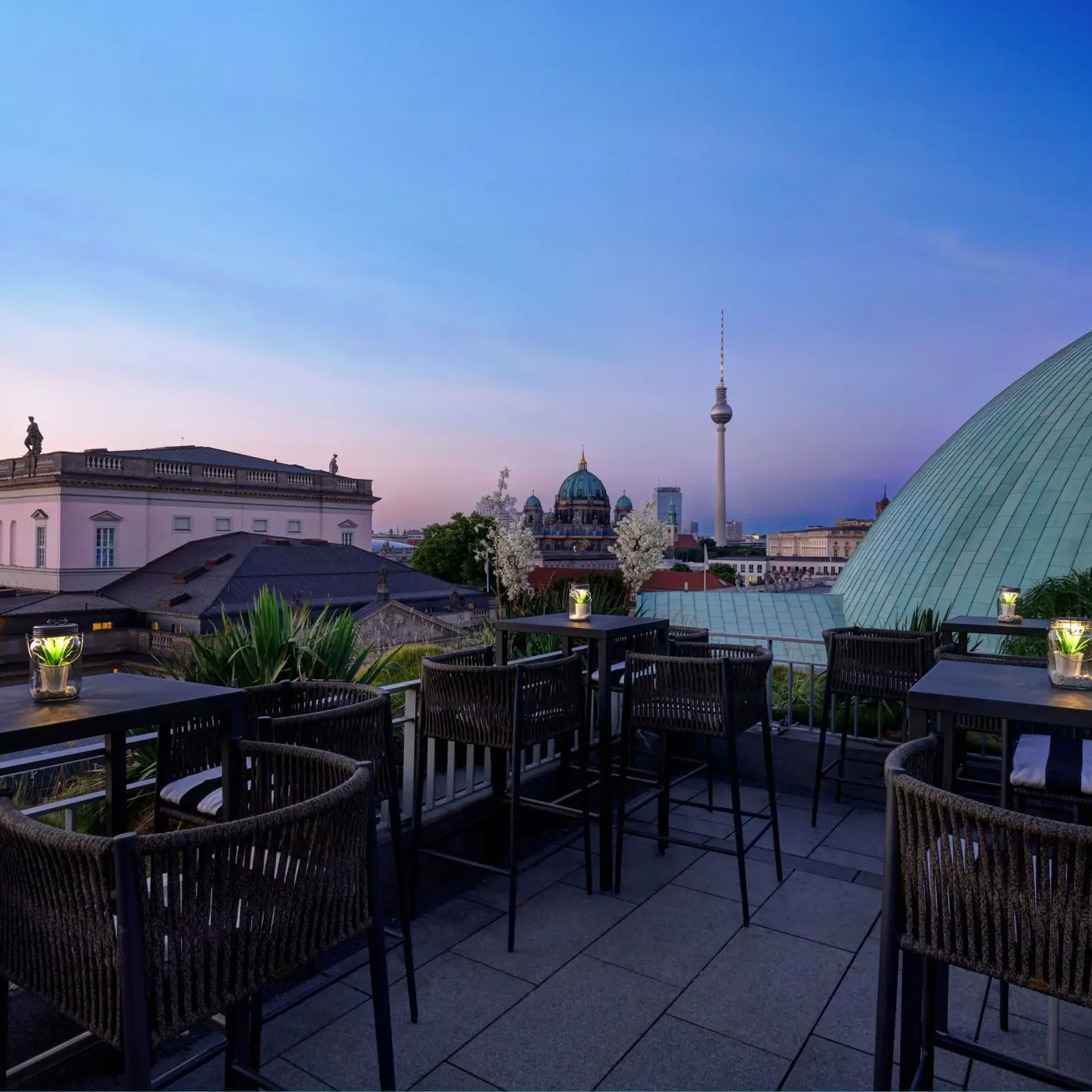
It doesn’t get much heavier than the Hotel de Rome, a converted 19th-century bank building off the Bebelplatz in old East Berlin — its stone walls and neoclassical architecture are a perfect match for the high seriousness of the Rocco Forte house style. This hotel is a lodging of choice for business-class visitors, and may well see more deals done as a hotel than it did during its tenure as the GDR’s central bank.
The timing of this story is impeccable: less than an hour ago, I finished reading Vincenzo Latronico’s “Perfection” – a novel about a young couple who moves to Berlin from an unnamed Southern European city to soak up Berlin’s creative buzz. It resonates perfectly with Monica Dang’s observations. Yes, Berlin has changed tremendously since I first visited, decades ago. But I still love coming back, and I’m okay with the changes. After all, New York, where I live, is also constantly undergoing changes. Embracing Berlin’s many facets, embracing impermanence!