

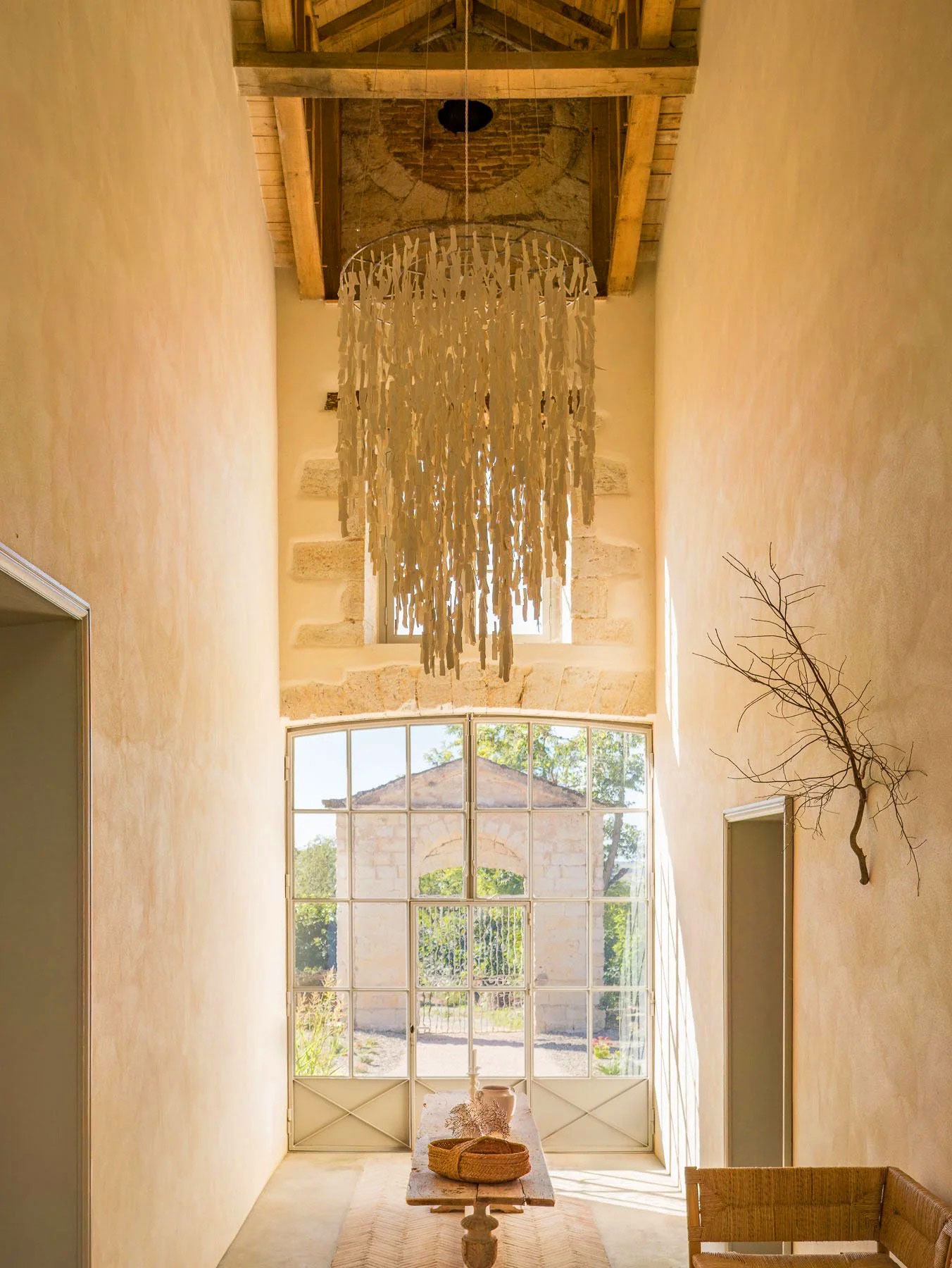
Award season is here. Our editors pick their favorite designs from boutique hotels added to the Tablet selection in the past year. Here are the winners for Europe.
The following words, like all of our words, were written by a real human person.
We cannot tell a lie. Our annual design awards have gotten harder and harder to determine. These days, there are so many impeccably designed hotels opening so often that it’s tough to whittle the honor roll down to a deserving few.
There’s no rigid criteria for this award other than the particular preferences of our editorial team, which tend to favor more intimate properties where an individual voice has a greater chance of shining through. Boutique hotels, in other words. When we launched Tablet in 2000, we were the first boutique hotel curators. These awards honor that legacy.
Apologies to all those massive, modern skyscrapers with a million rooms and dubious financial backing. They can fend for themselves. For us, it’s all about personality and emotion at human scale, and seeing something we don’t often see. That could mean the novel repurposing of an aging structure, a style from one part of the world transported to another, a non-traditional layout that allows for deeper engagement with the property, a concept that’s content to let nature take the wheel, or the unmistakable hand of a single, eclectic visionary. You’ll find all of that and more in the hotels below.
Congrats to the winners from Europe. Here’s how to see the rest: Best New Hotel Designs 2026
Kástu by Pajta
Őriszentpéter, Hungary
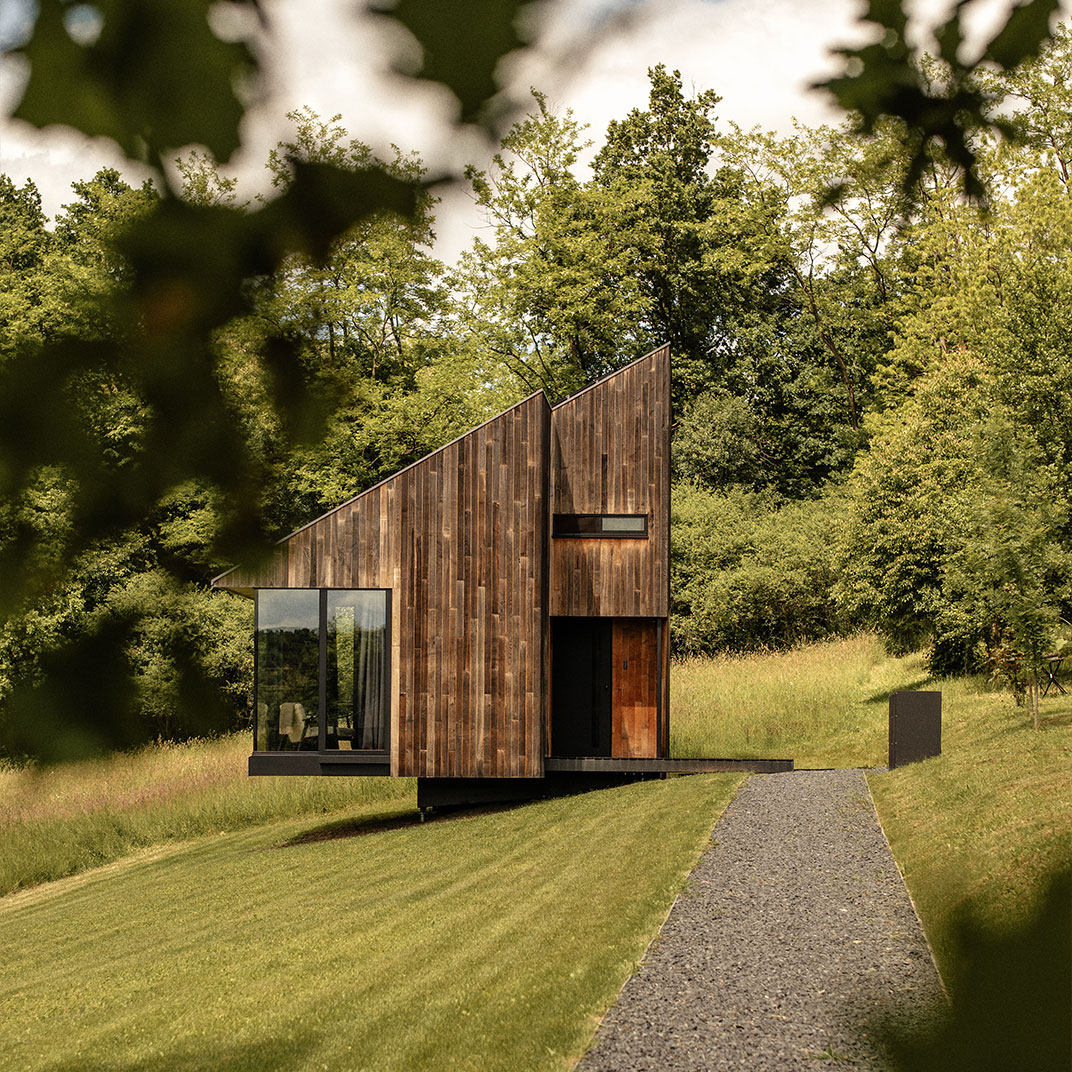
Pajta, the restaurant, came first, earning accolades (including a MICHELIN Star) for high-end dishes crafted from Őrség produce and for its modern-meets-rustic architecture and design. Both are also on display in the seven cabins that make up Kástu, the overnight component of the Pajta experience — the restaurant and cabins are the work of the same award-winning architect, Gábor U. Nagy.
Divine Cave Experience
Santorini, Greece
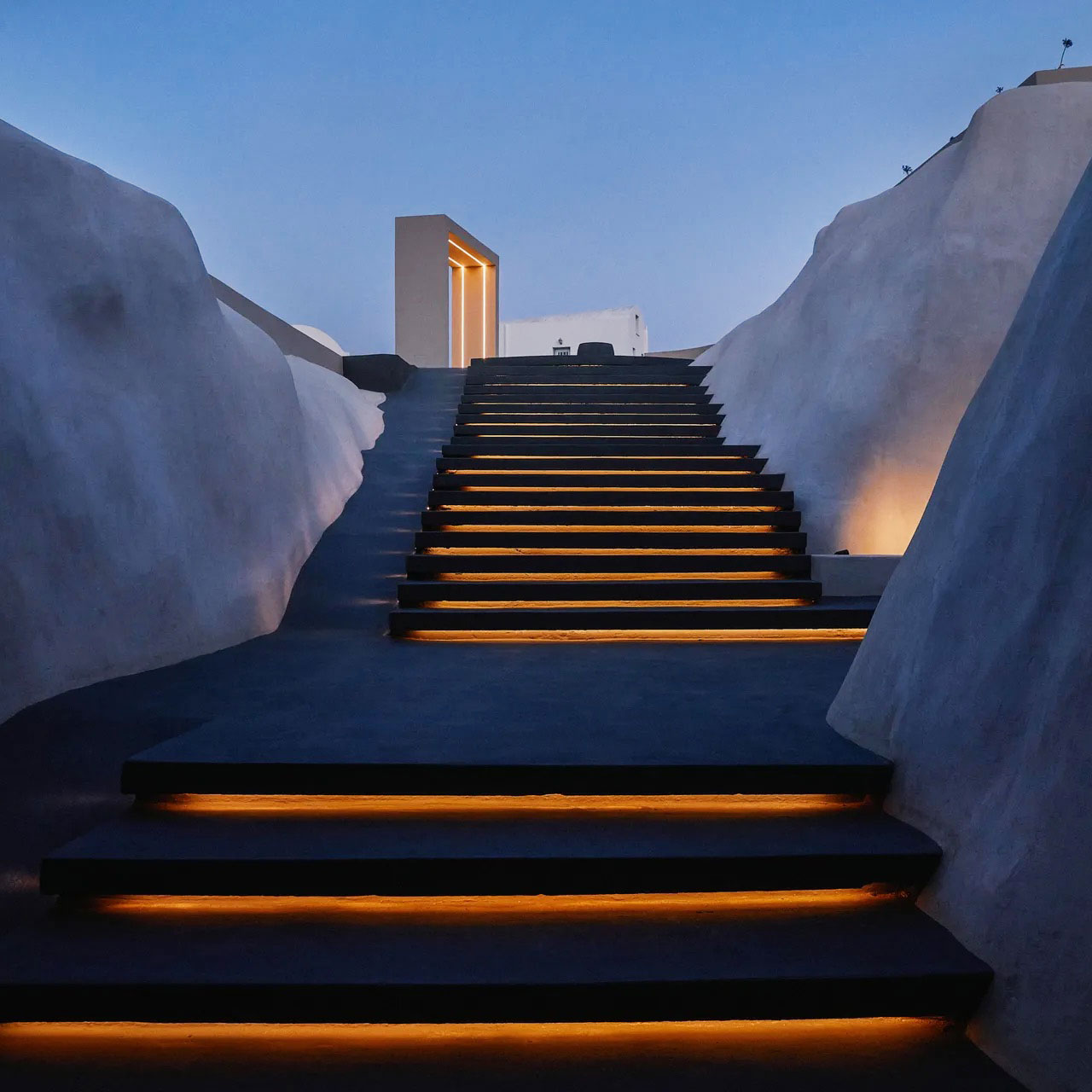
Each of the ten suites at Divine Cave Experience is carved directly into the rock, and frames a unique view of the caldera at Santorini’s center; some add Jacuzzis, either on an open-air terrace or at the opening of the cave. Another subterranean space is given over to the wellness area, while the restaurant and bar venture out onto the rooftop terrace, for the most wide-ranging views.
Sir Prague
Prague, Czech Republic
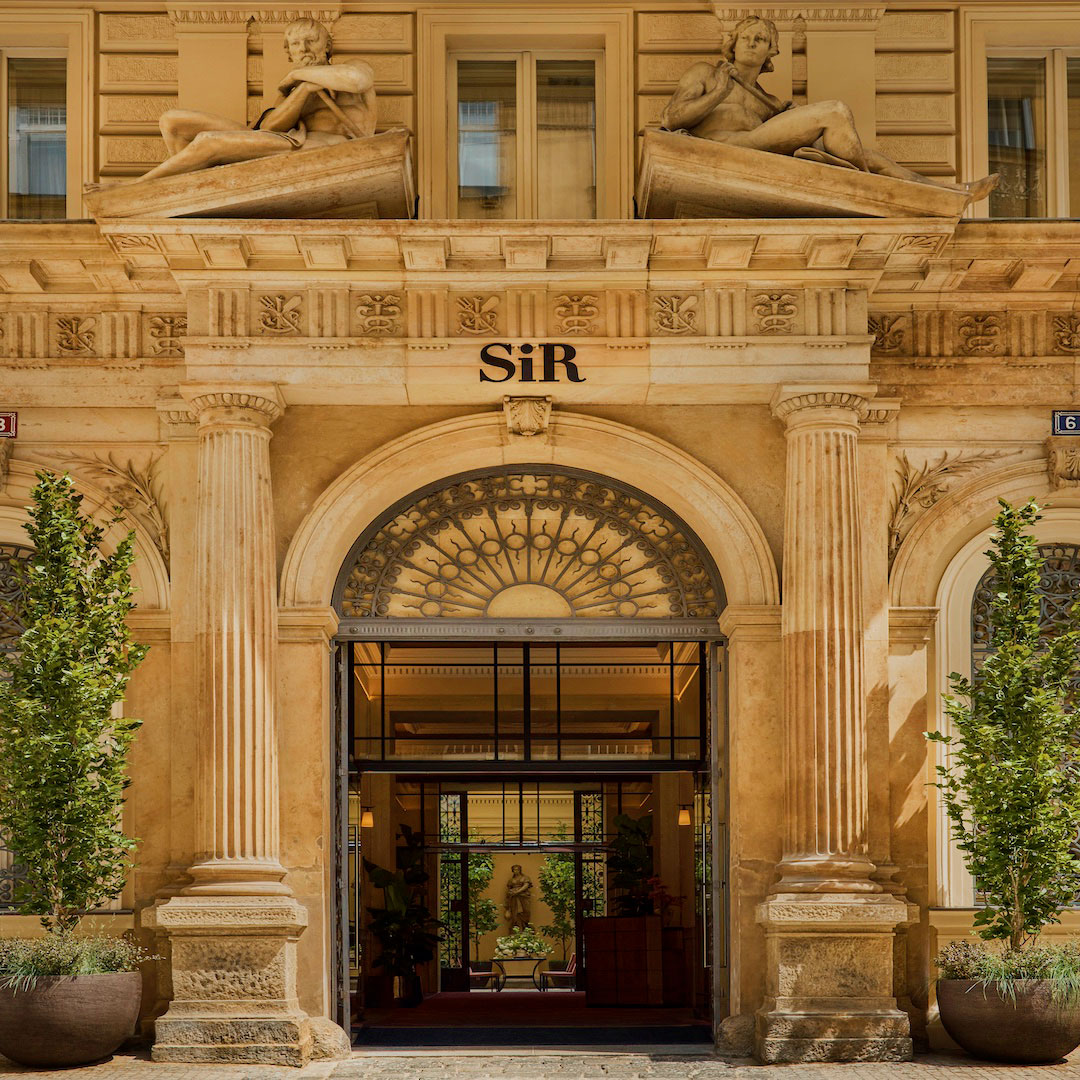
A well-preserved 19th-century building next to the Vltava River and Frank Gehry’s Dancing House contains one of Prague’s most unique boutique hotels. In contrast with the early days of design hotels, when international minimalism ruled, Sir Prague is the work of Linda Boronkay, who drew inspiration from the city’s Gothic architecture and the heritage of Czech Cubism.
Bethlen Estates Transylvania
Cris, Romania
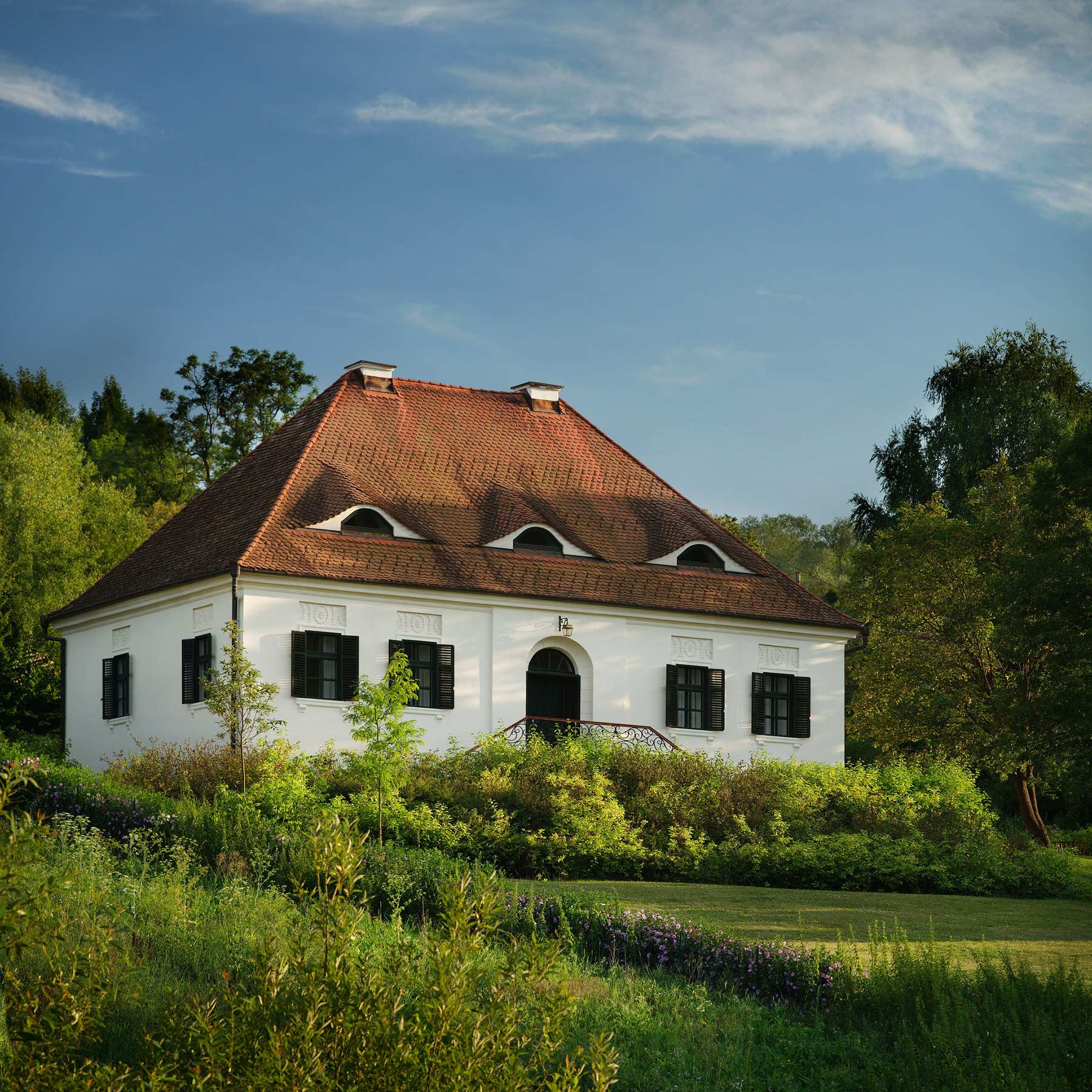
Like many great hotels, Bethlen Estates Transylvania pushes the boundaries of the concept. No mere collection of rooms, it’s a reclamation project, a once-abandoned village whose centuries-old buildings have been restored by a family with deep local roots. Three of these buildings comprise the hospitality portion of the project: Depner House, the Caretaker’s House, and the Corner Barn.
Palazzo Talìa
Rome, Italy
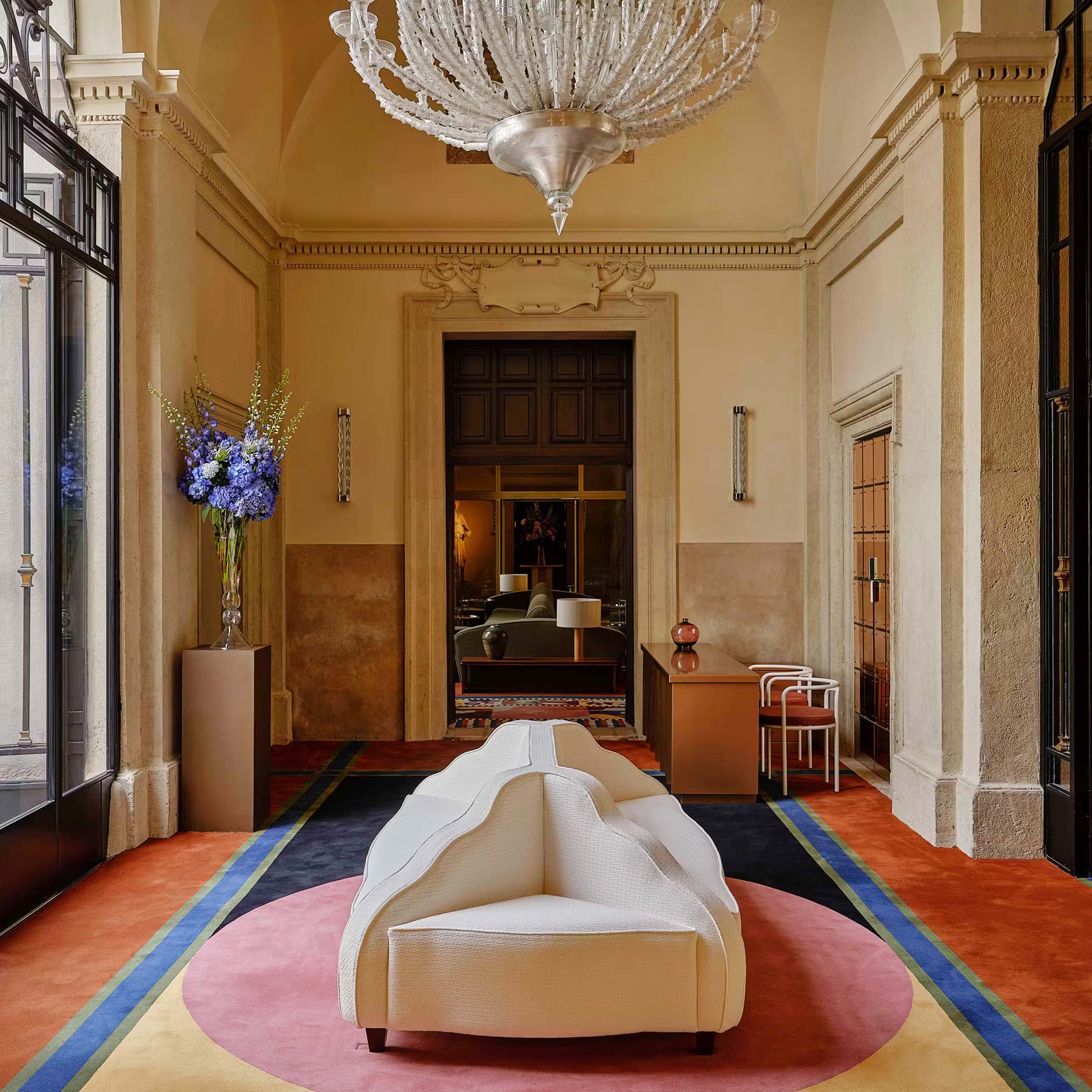
The conversion of a 16th-century palazzo in the center of Rome into a luxury boutique hotel is a noteworthy event — that Palazzo Talìa’s designer is film director Luca Guadagnino gives it a cultural resonance few other hotels can match. This is no mere hobby for Mr. Guadagnino, who operates his own design studio. And it’s clear from a glance around Palazzo Talìa that this is serious work.
Casa Newton
Pienza, Italy
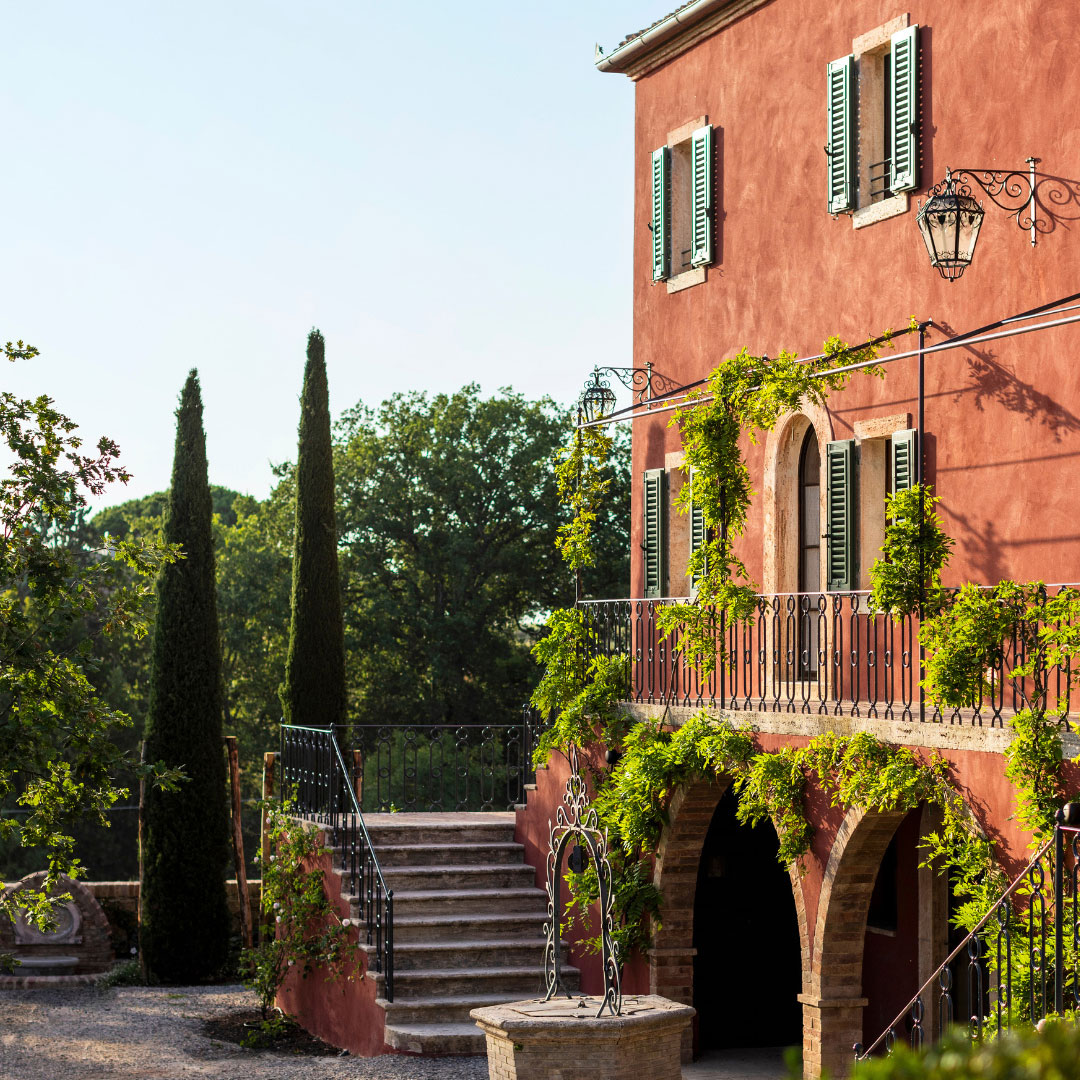
On first look, Casa Newton looks like a textbook Tuscan fantasy. And while this countryside estate-turned-boutique hotel has all the trappings, it’s a stylish upgrade from the standard agriturismo. Everything from the crimson-hued country house to the stone-lined pool deck, now shaded by vintage-inspired, bubble gum-pink parasols, has been reimagined with mid-century modern flair.
Harmony Seljalandsfoss
Hvolsvöllur, Iceland
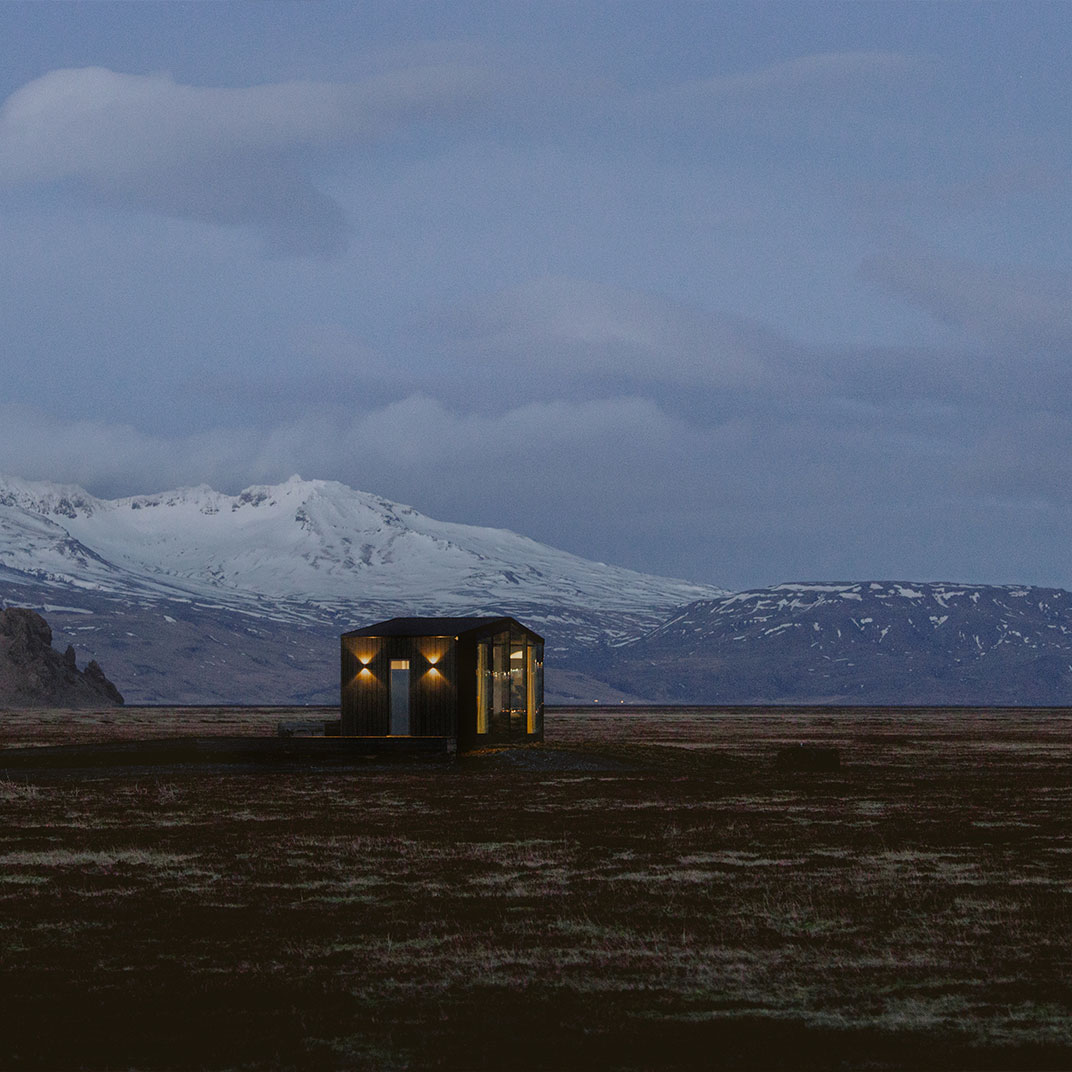
Harmony Seljalandsfoss feels every bit as secluded as you would want a rural Icelandic escape to be — and the fact that it comprises a mere two lodges, placed almost comically far apart, only adds to the sense of privacy. Each is a modern cottage, built mostly from glass, to maximize the views — and in the bedrooms that includes the ceiling, the better to glimpse the famous Northern Lights.
Experimental Chalet Val d’Isère
Val d’Isere, France
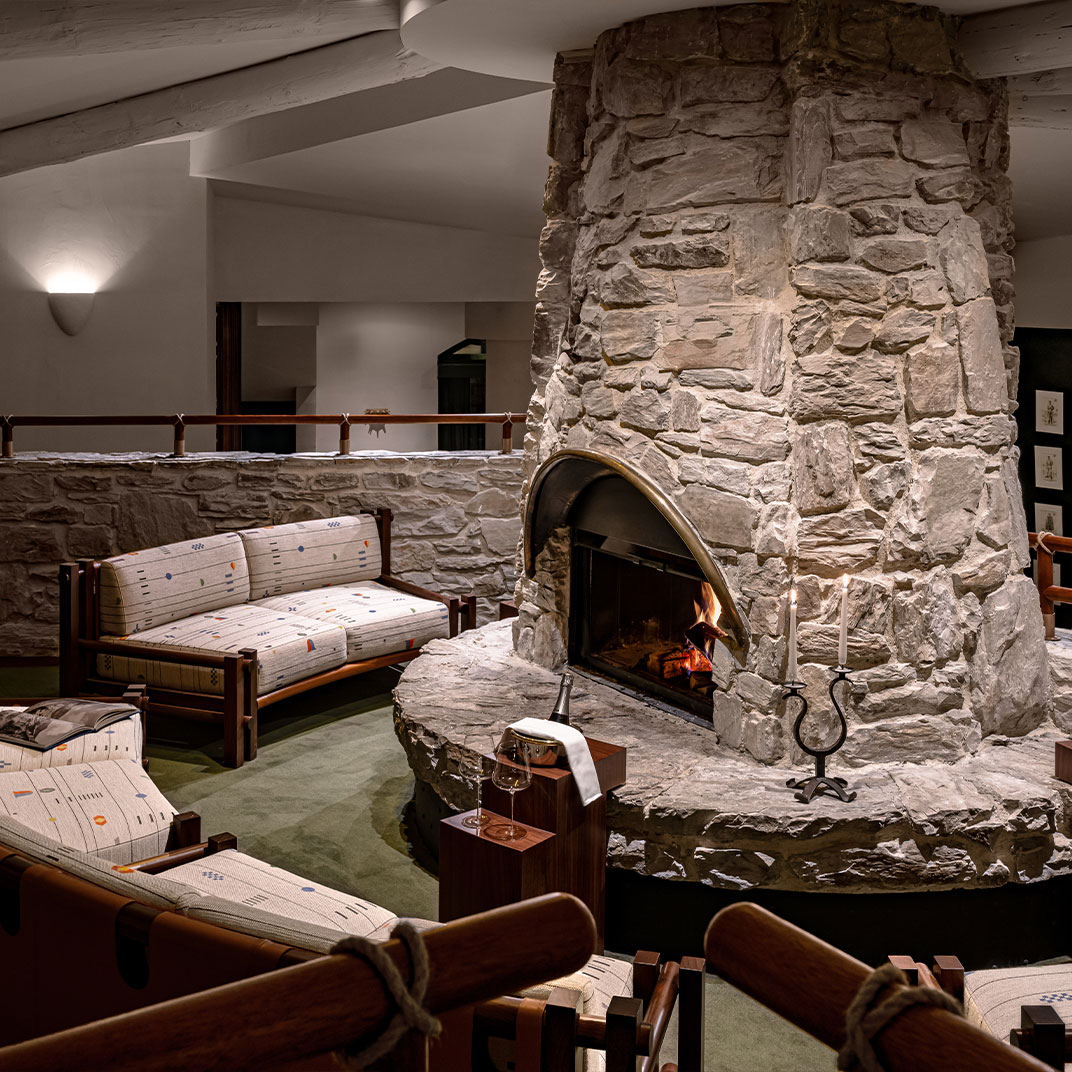
Experimental Chalet Val d’Isère is further proof that ski hotels and boutique-hotel style belong together. Here Experimental’s designer of choice Dorothée Meilichzon transformed an existing hotel into a fresh and original take on the ski-hotel genre. The visual language is influenced as much by American national-park lodges as it is by Alpine tradition, and the sum total of the effect is a look that’s indelibly unique.
La Manufacture Royale de Lectoure
Lectoure, France
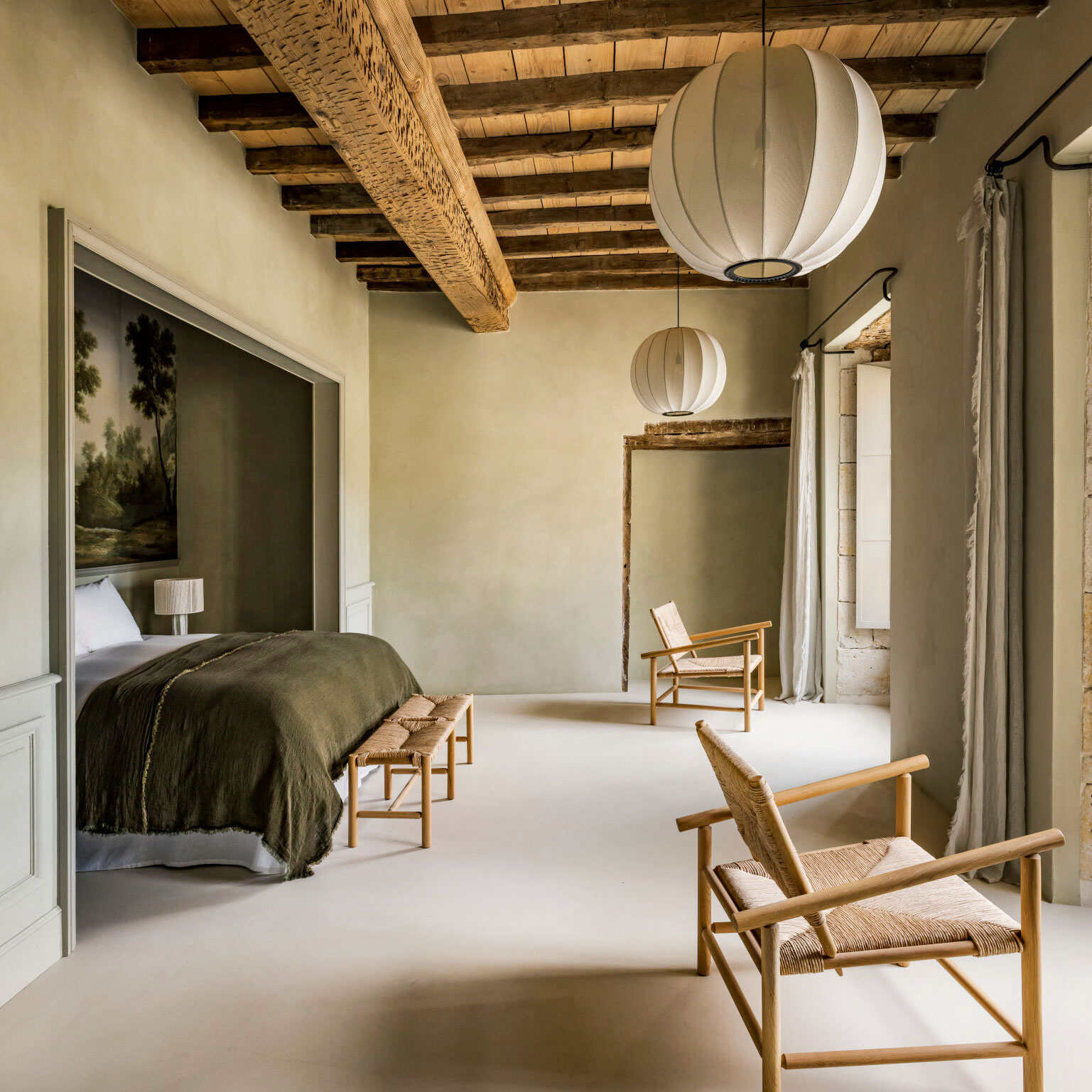
An abandoned tannery was discovered by a pair of Parisians who spent four years overseeing its transformation into the elegant La Manufacture Royale. Co-owner Christèle, formerly a decorator and set designer, collaborated with colorists to design custom paint shades for the lime-washed walls, and rooms feature designer furnishings, vintage pieces, writing desks, and spacious bathrooms with tubs.
Torel Quinta da Vacaria – Douro Valley
Peso da Régua, Portugal
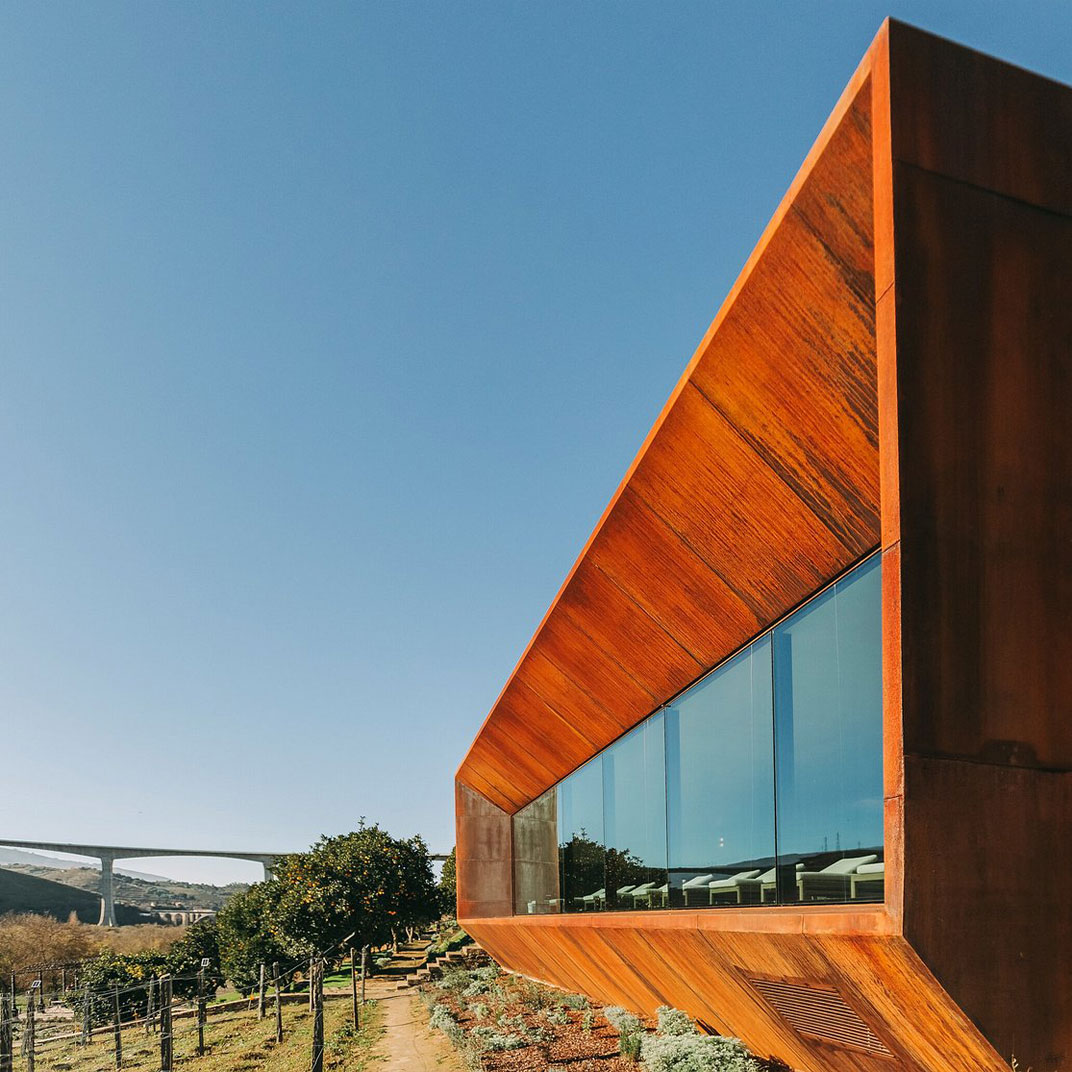
Torel Quinta da Vacaria occupies a small collection of old buildings on a historic wine estate, but architect Luís Miguel Oliveira and Studio Astolfi gave the interiors a facelift: rooms are sleek and silent with pale wood flooring and midcentury modern decor. Of particular note are the hotel’s gorgeous glass-lined spa and its infinity pool and terrace, all facing the terraced hills of the Douro Valley.
Casas da Quinta de Cima
Faro, Portugal
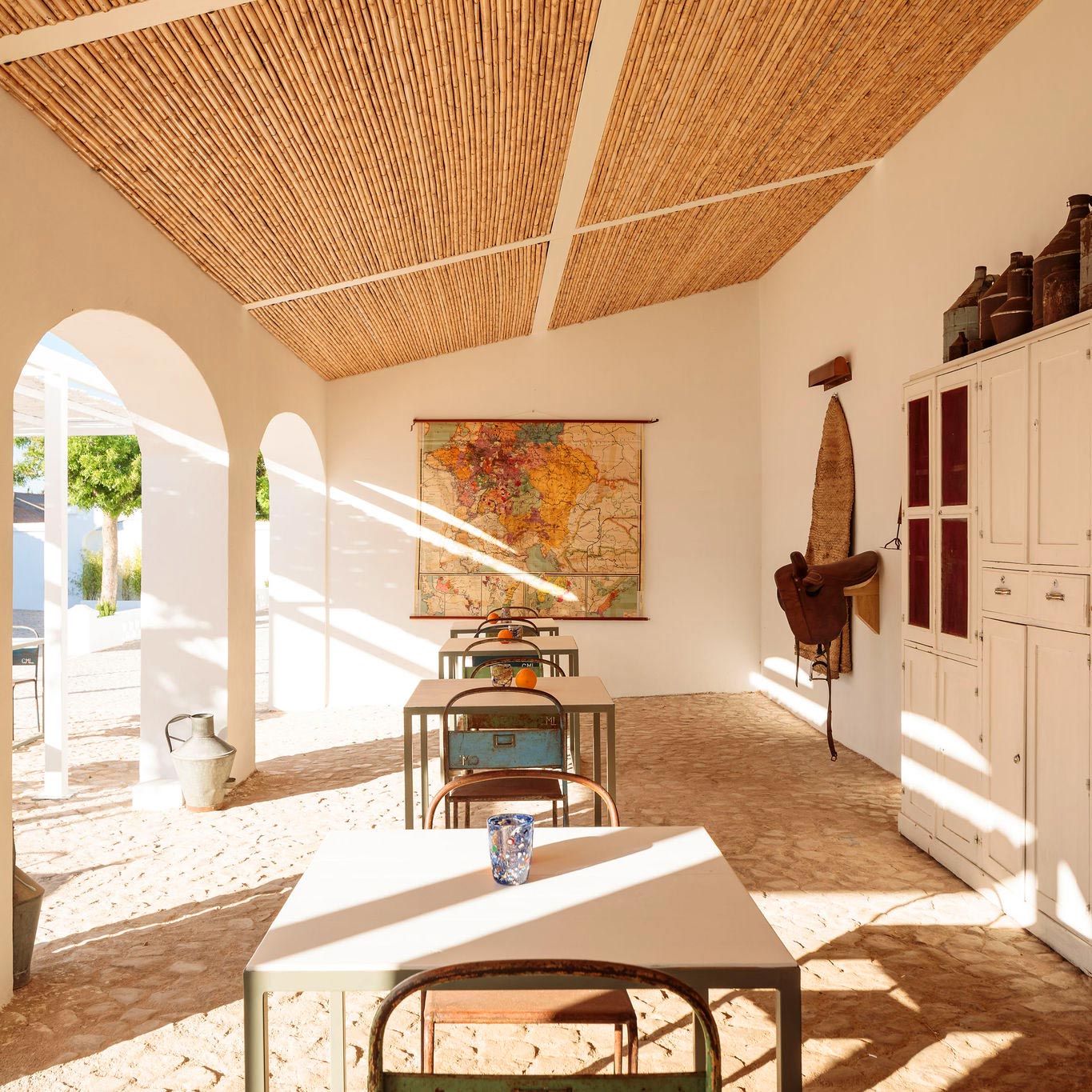
Once the workers’ cottages on a 19th-century agricultural estate, Casas da Quinta de Cima has been reimagined by the same family five generations on. Each of the nine suites pairs high wicker ceilings and terracotta floors with marble baths, wood-burning stoves, and vintage touches in wool and cotton. Private terraces look onto groves of orange and avocado, with the sea just beyond.
Hotel César Lanzarote
Tías, Spain
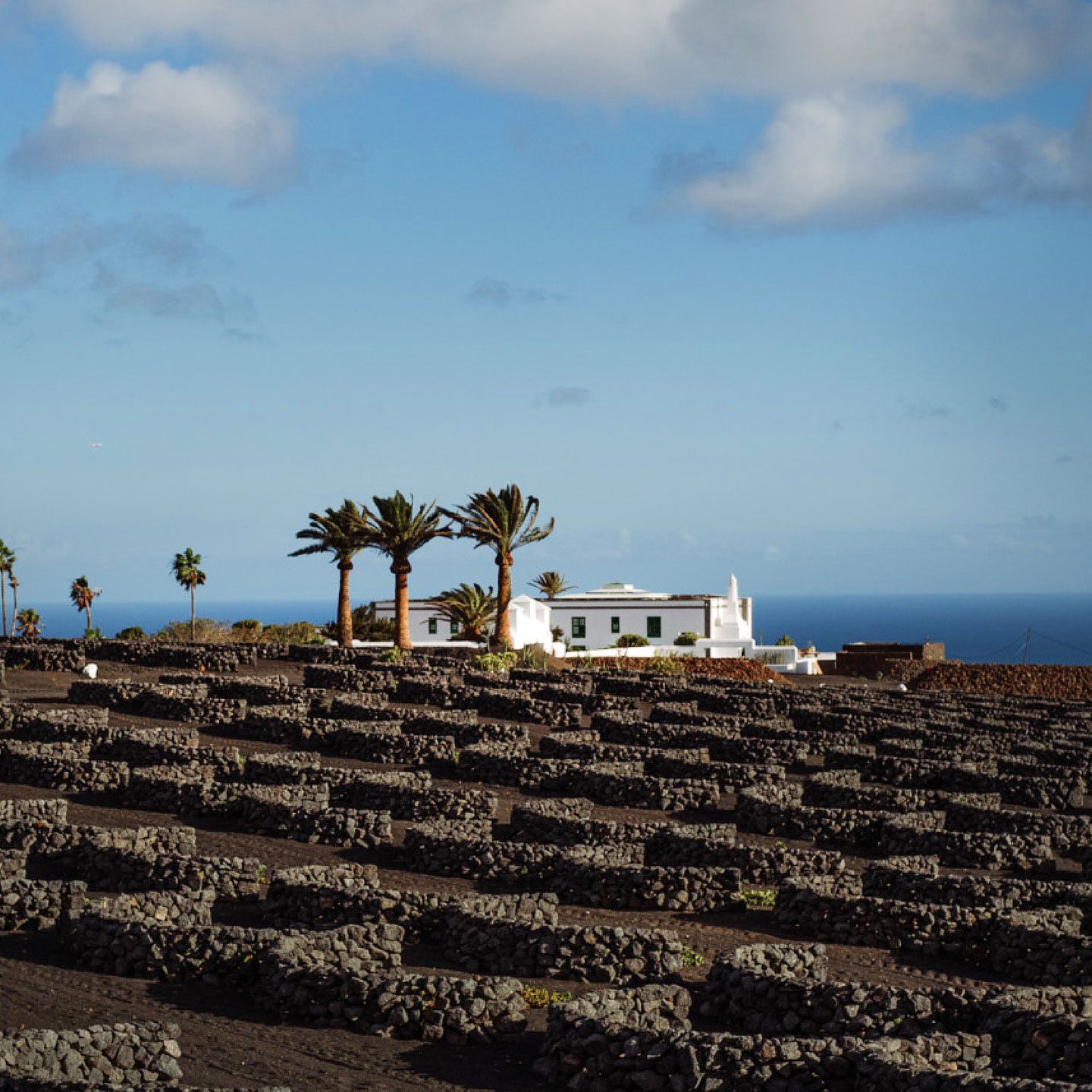
On the volcanic island of Lanzarote, the family home of César Manrique has been rebirthed as Hotel Cesar. The renowned Spanish sculptor would no doubt be thrilled with how his namesake hotel pays tribute to local art and the surrounding landscape, which is on uninterrupted view throughout the property. Guest rooms feature layers of tactile materials in shades of blue and green, and plenty of leafy potted plants to bring the outside in.
MANNA Arcadia
Μαγούλιανα, Greece
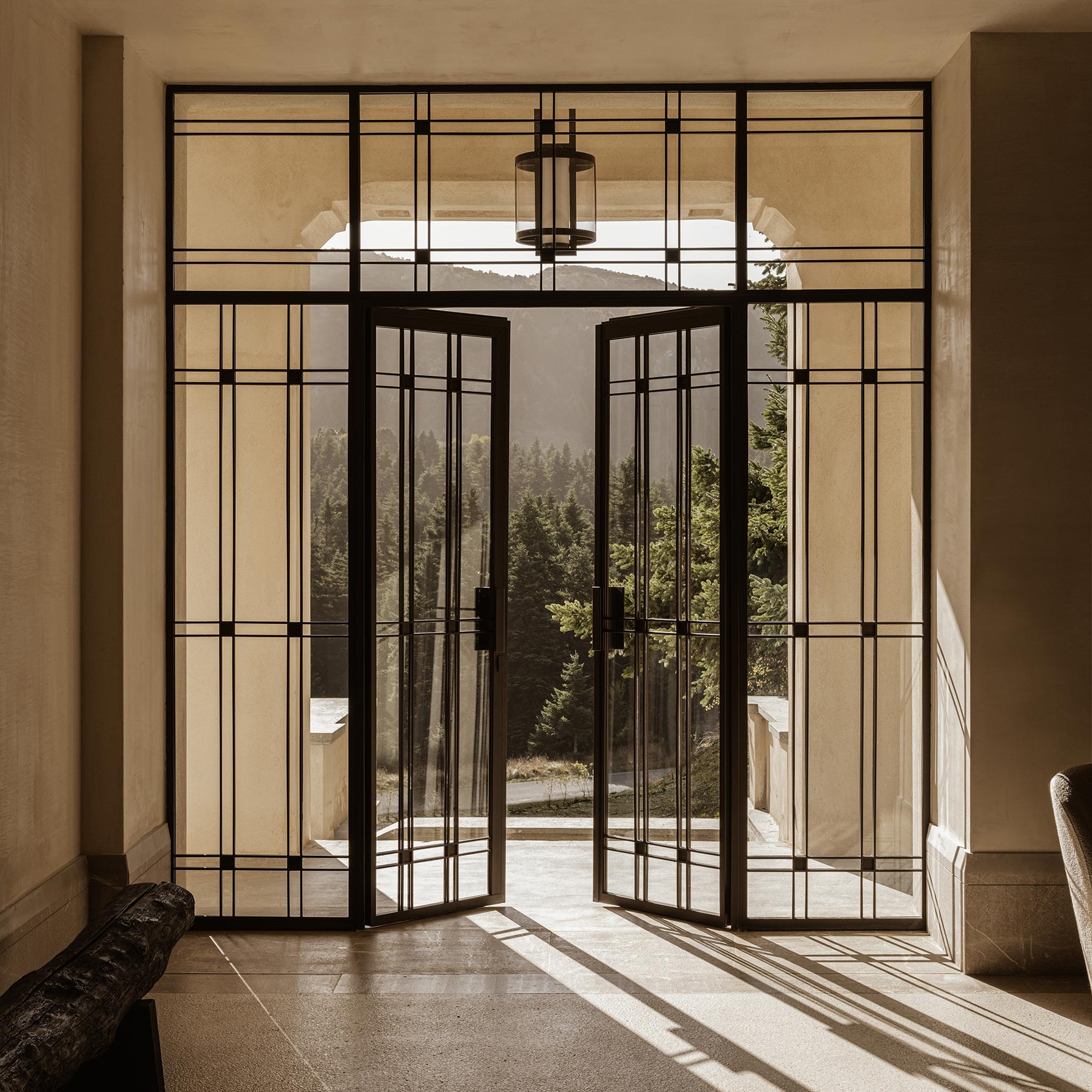
There’s nothing but fir trees and quiet mountain trails around MANNA Arcadia, in the highlands of central Peloponnese. Opened in the late 1920s, this building first served as a sanatorium for soldiers. The solitary stone lodge then sat abandoned for decades until it was acquired by an entrepreneur who worked with a team of archaeologists to carefully restore the landmark and transform it into a luxury hotel.
Mamula Island
Herceg Novi, Montenegro
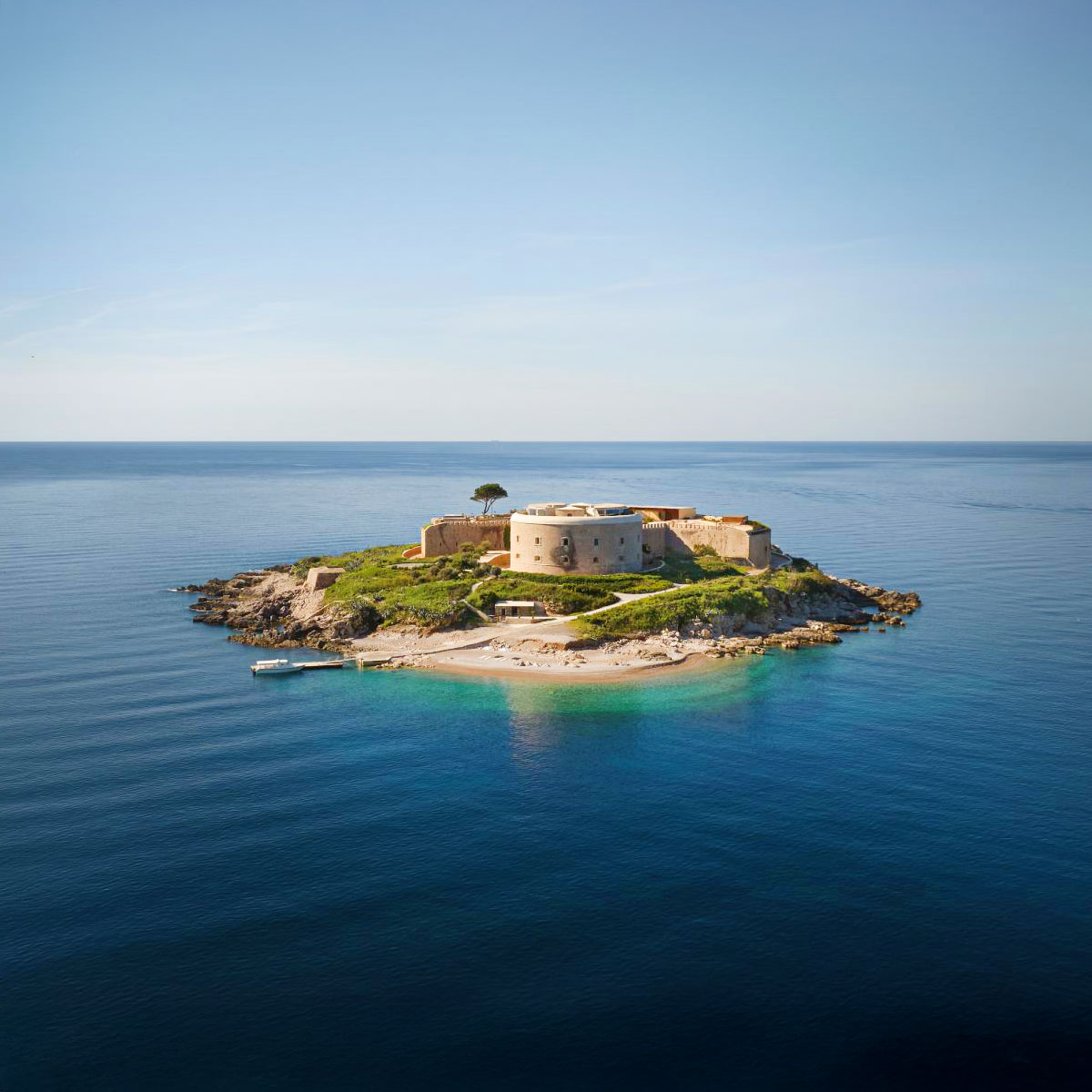
A restored 19th-century fort on an island in the Adriatic means a stay at Mamula Island is something truly unique. After arriving by boat, you’ll feel immediately connected to nature and to the region, thanks to a careful restoration and use of local materials. Bedrooms are full of natural light and great views. A spa, a beach, and three swimming pools mean that you have undeniably gotten away from it all.
Grand Hotel Bellevue London
London, UK
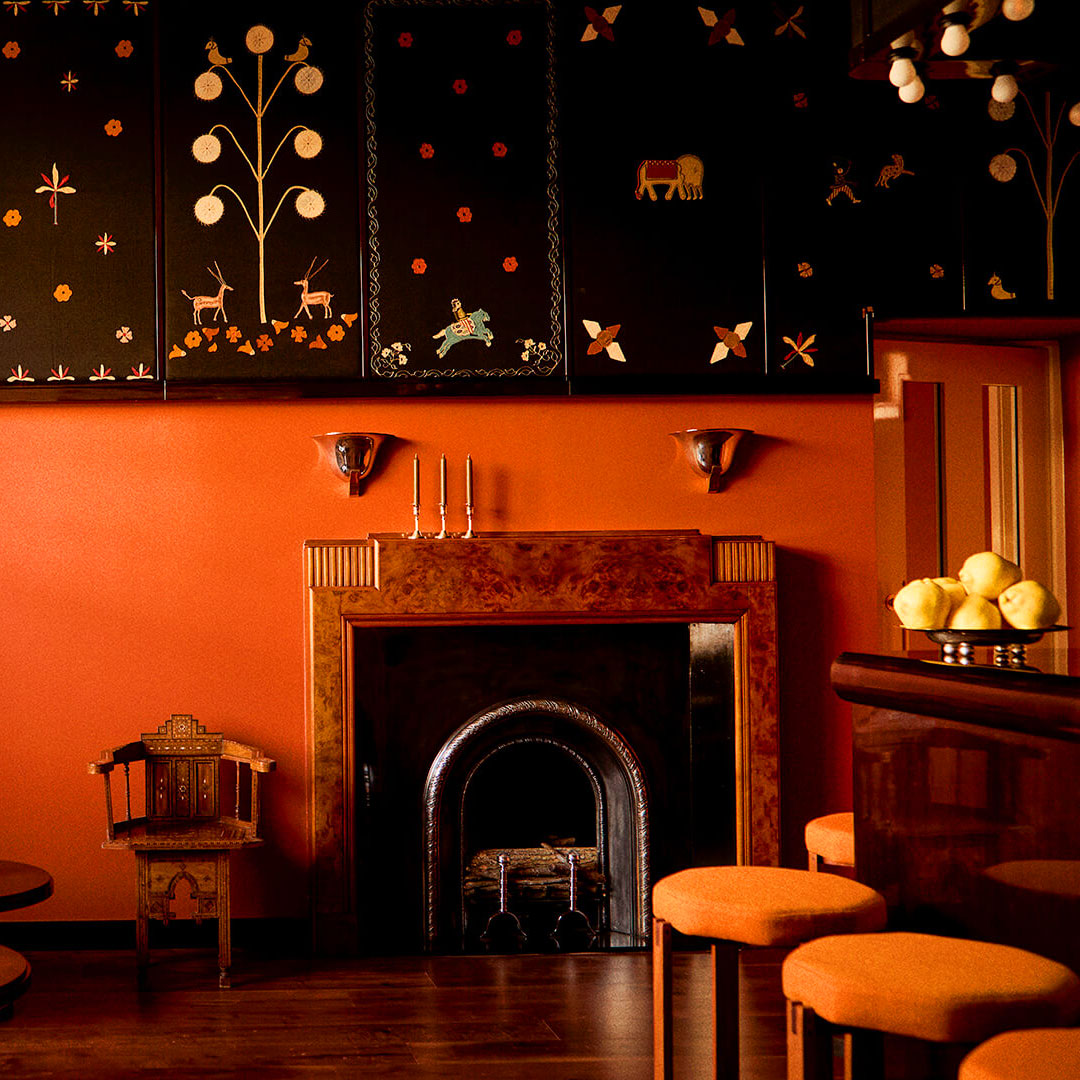
If it were in Mayfair or Belgravia a hotel like the Grand Hotel Bellevue would charge a ruinous rate; here, on Norfolk Square, it’s a steal. That’s how good the design is of this stunning 60-room boutique hotel by Italian architect Fabrizio Casiraghi, who puts a worldly spin on the classic Victorian townhouse. The bar, with its wild bespoke embroideries by BODE, is a particular standout.
Nusfjord Village & Resort
Nusfjord, Norway
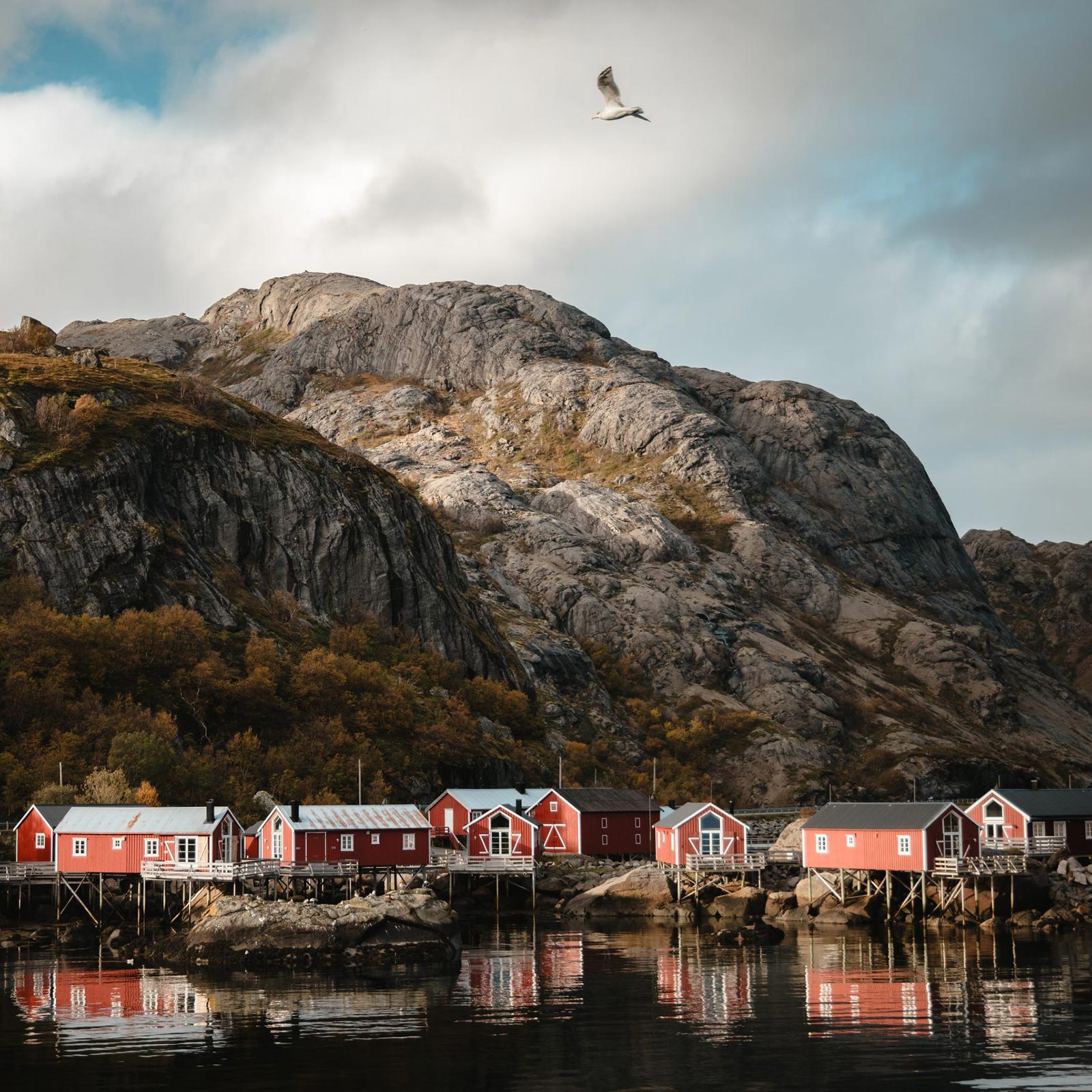
Nusfjord is among Norway’s oldest fishing villages, its harbor lined with red stilted “rorbuer” that once sheltered cod fishermen. Today, many of the cabins have been reimagined as resort lodgings, where original timbers sit alongside understated contemporary design. The whole enterprise is singularly special: the village is the resort, and the resort is the village — a full immersion into Lofoten’s fishing past.

Mark Fedeli is the marketing and editorial director for Tablet Hotels. He’s been with the company since 2006, and thinks you should subscribe to our newsletter.