

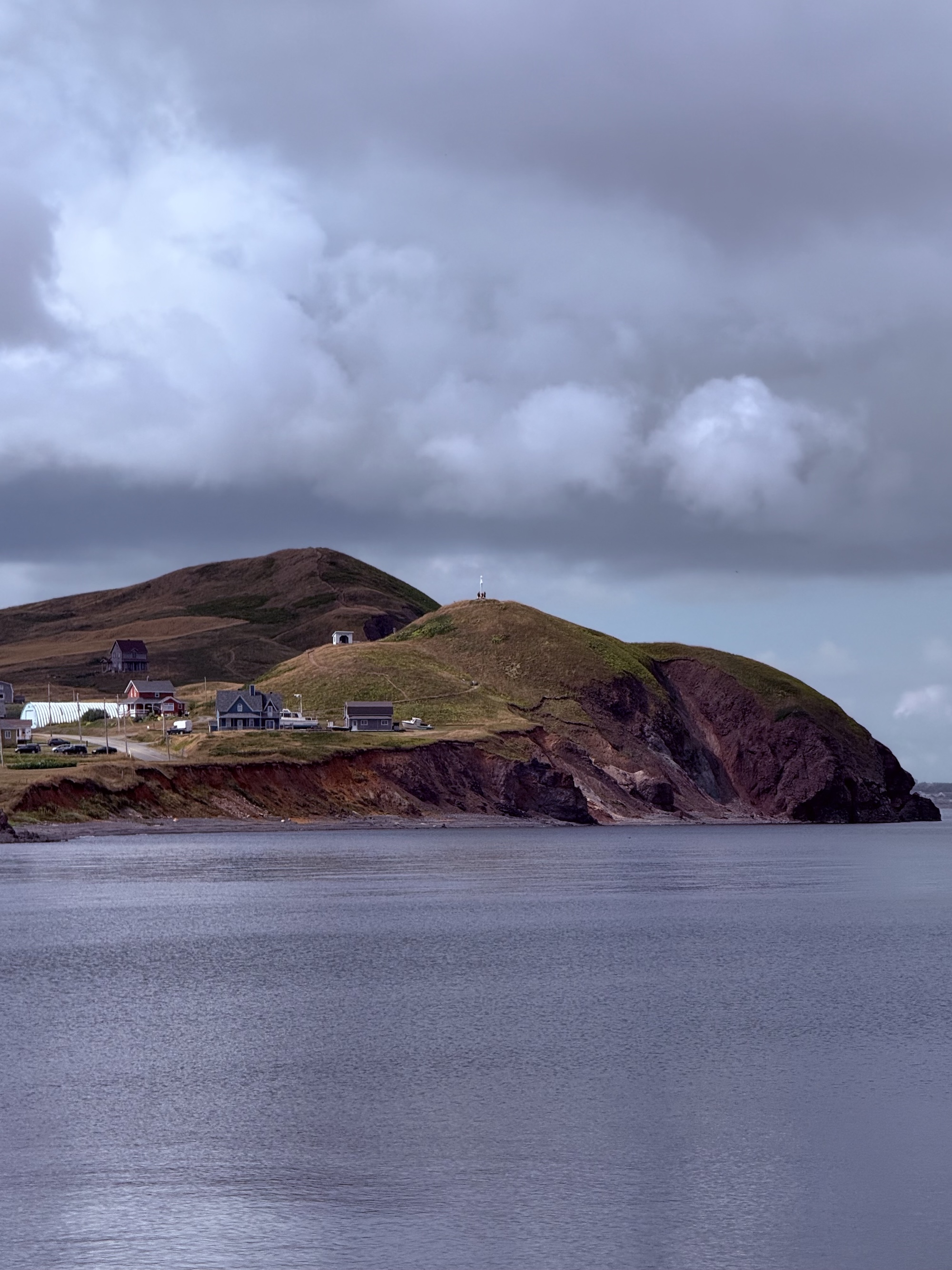
On a remote Canadian archipelago, home to the descendants of shipwreck survivors, there are no Tablet hotels. If you know the Magdalen Islands, you know that’s probably appropriate.

By Mark Fedeli
Director of Marketing & Editorial, Tablet Hotels
They don’t get a lot of Americans on the Magdalen Islands. As far as we could tell, on our visit we were the only Yanks there. We’d heard one other family speaking English, but odds are they were Canadian. The Maggies, who go by their proper French name of Les Îles-de-la-Madeleine, are technically part of Quebec, Canada’s proudly Francophone province. I say technically because they are quite literally closer to Newfoundland, Nova Scotia, and New Brunswick, and most easily accessed via ferry from Prince Edward Island.
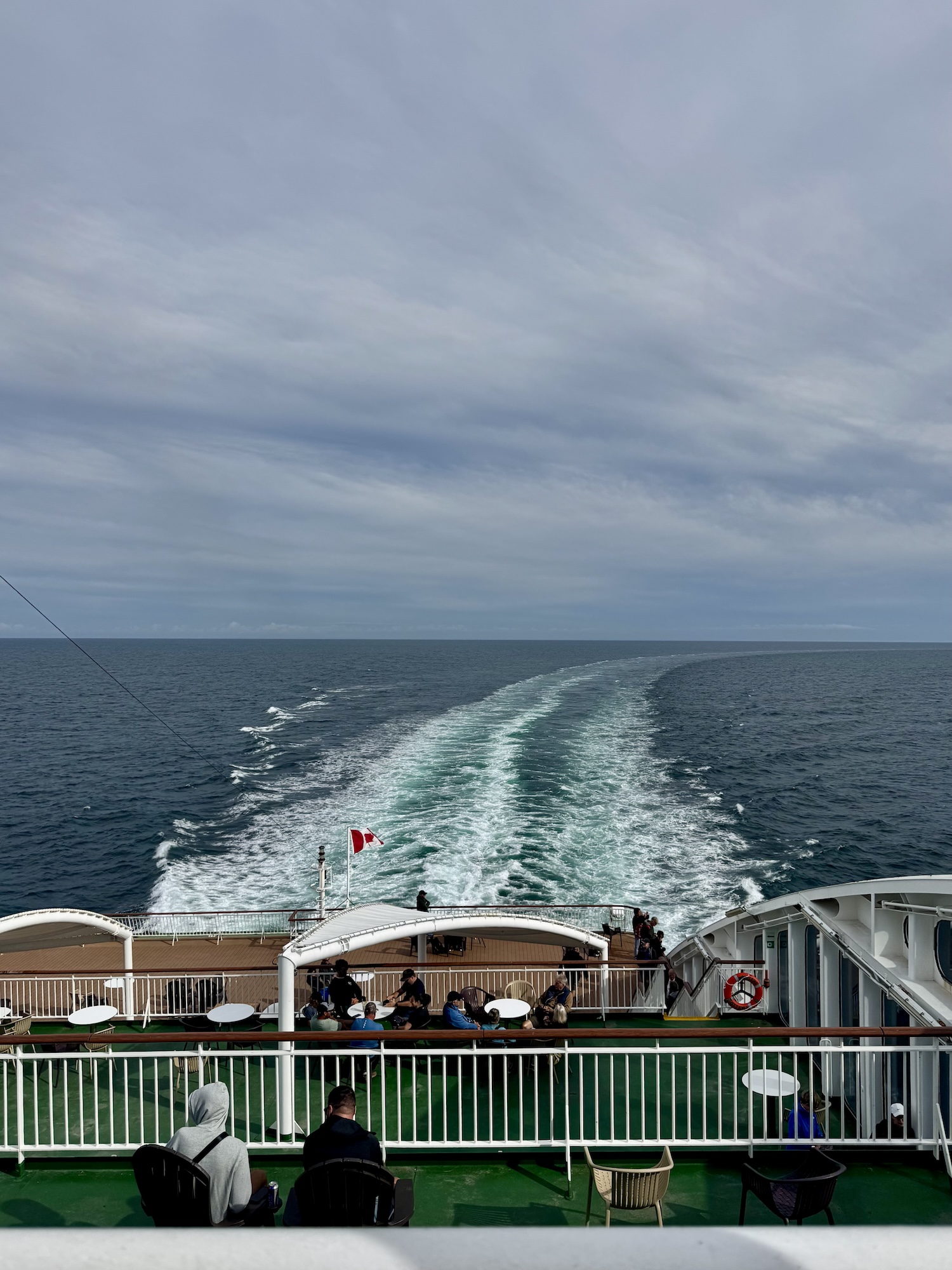
Yet, the Magdalens belong to none of those other English-speaking provinces. This tiny archipelago, set alone in the middle of the massive Gulf of St. Lawrence, is Québécois through and through. For an American, it’s as remote and obscure a place as any that’s barely two hundred miles from the border of Maine. But broken miles they are. For us, the trek included a flight into Halifax, five twisting hours of driving to the port in PEI, then a six-hour ferry to the islands.
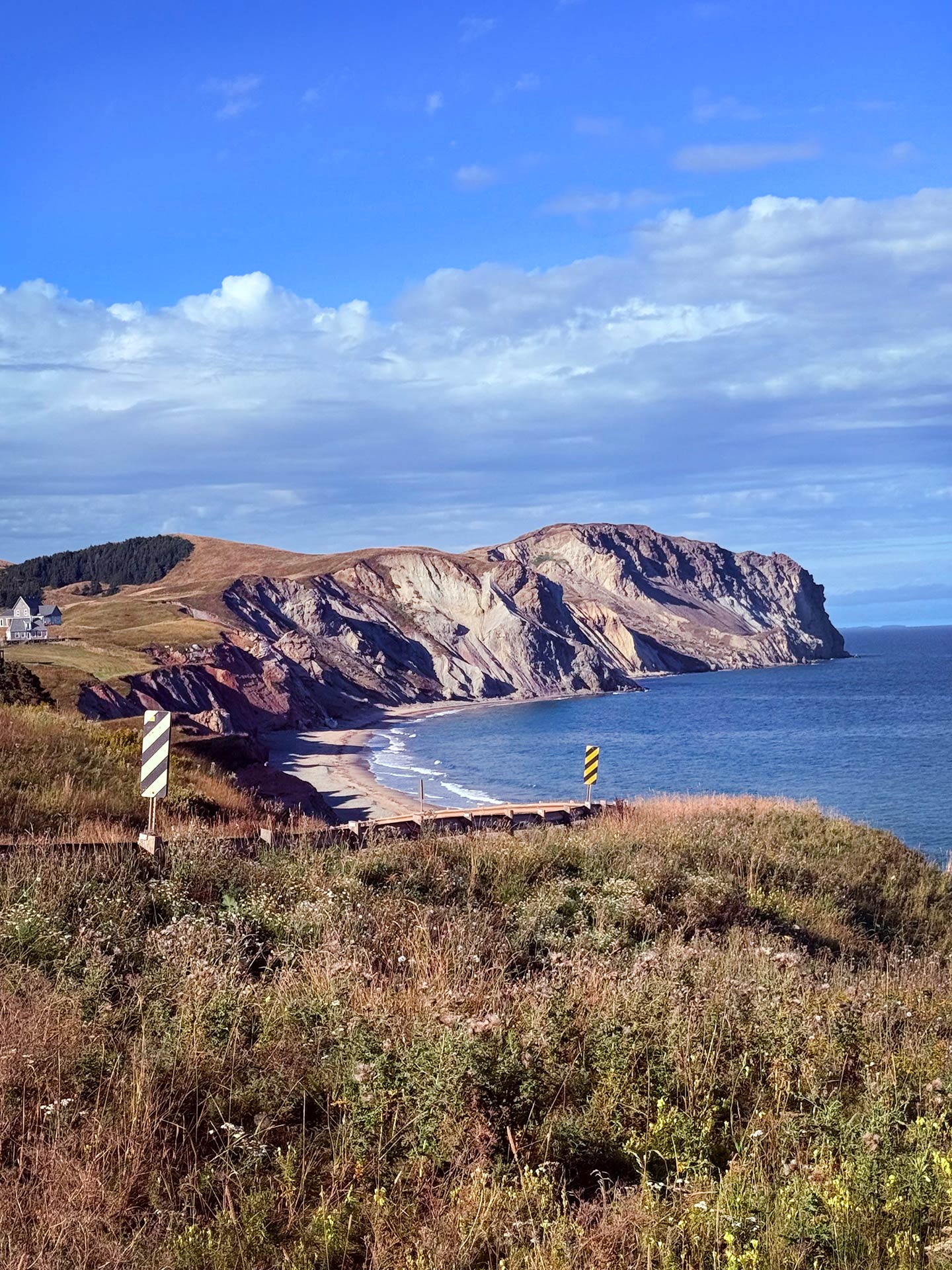
If it wasn’t worth it, you wouldn’t be reading this. There are no Tablet hotels on the islands, but there is so much else to be revered: a welcoming community, excellent seafood, endless beaches, and plenty of places to camp, hike, and bike, kayak, windsurf, and birdwatch. The scenery and the views are staggering. Particularly impressive are the cliffs that climb hundreds of feet out of the sea, their broad shoulders and long backs sloping dramatically down inland, covered in bright green grass and wildflowers.
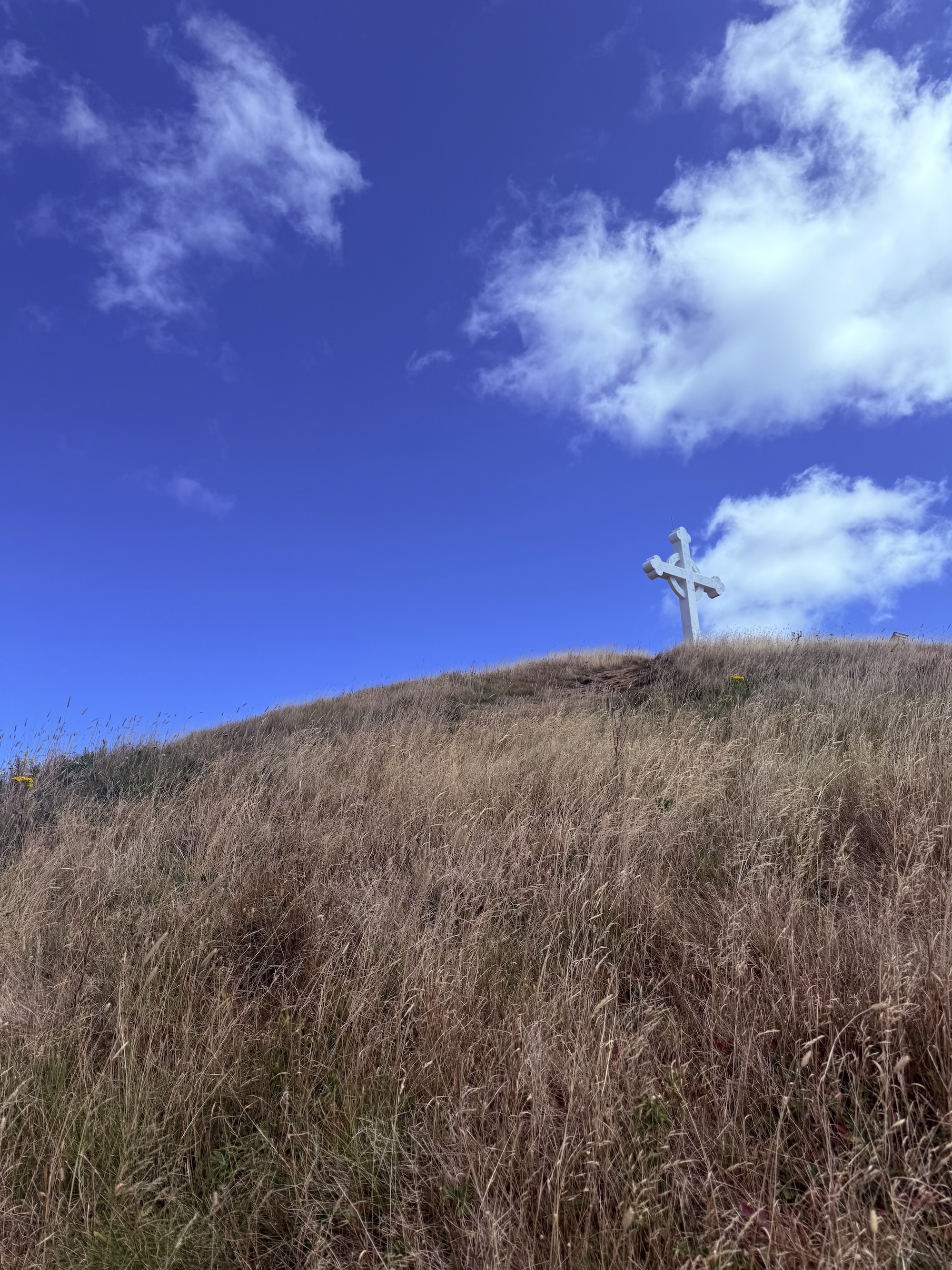
For thousands of years, the indigenous Mi’kmaq used the Magdalen Islands as a seasonal hunting ground, but never settled permanently. The first to do so were displaced Acadians in the 1700s. Hunting walrus was the leading profession for decades; their oil was used as fuel, as lubricant, and for making soap. It’s been said that the oil from Magdalen walruses lit the street lamps of Paris.
The Gulf of St. Lawrence is the world’s largest estuary; its diverse marine ecosystem has always fed the islands and continues to help propel its industry. While enjoying a meal at one of the island’s shockingly affordable seafood shacks, we watched a haul of Haddock come onto the dock, residents and restauranteurs gathering around to grab theirs.
That’s the essence of the Maggies in a nutshell: self-sufficiency, living off the land and sea. Artisan shops are scattered throughout the islands — not just isolated to tourist hubs — as are small farms selling their meats, cheeses, honeys, shellfish, and more. Also scattered throughout, the remnants of many a maritime calamity, giving the islands their nickname “the graveyard of the Gulf.”
There were nearly 1,000 shipwrecks on the Magdalens in the 18th and 19th centuries, when there were no lighthouses but lots of wind, fog, and rock. The chain of eight thinly connected islands looks like a fish hook from above, appropriate for their success in snagging passing vessels. You can still see some of the wrecks up close, particularly Aristotle Onassis’s SS Corfu Island, its bones laid bare on Dune de l’Ouest Beach. Perhaps more impressive is the imposing Duke of Connaught, a huge, floating dry dock that broke loose from its towline in 1988, crashing ashore to tower over the coast in the village L’Étang-du-Nord.
Despite divers regularly discovering wrecks in the waters around the islands, the remains of most of the hundreds of other ships were either washed away, buried by sand, or reused as building materials on the islands. Many of the stranded men decided the location wasn’t so bad and elected to stay (or maybe hide). Many of their descendants still live here, mostly in the small, English-speaking communities in the north. The lighthouse situation has been blissfully rectified. There are now six, four of which are easily accessible.
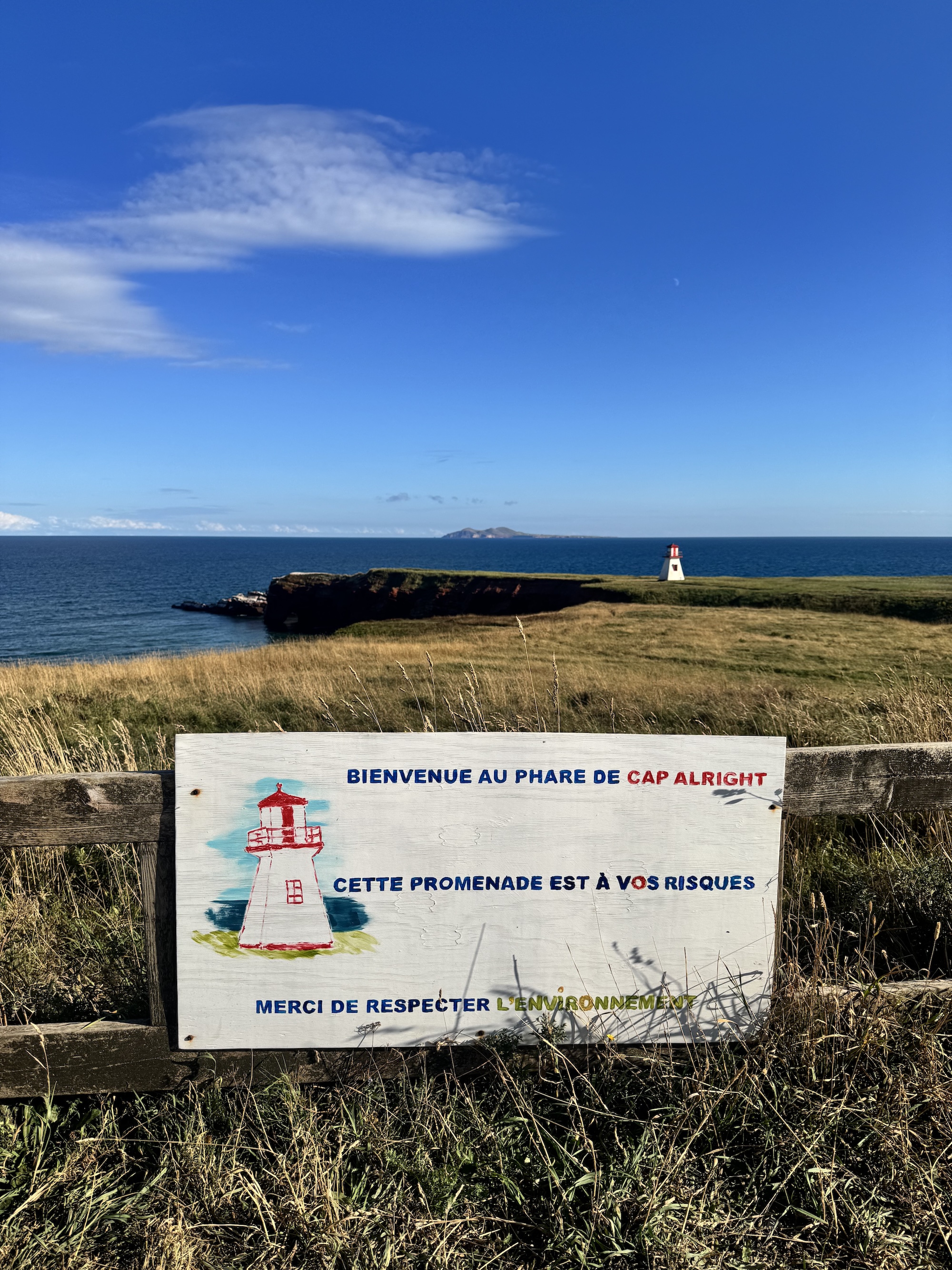
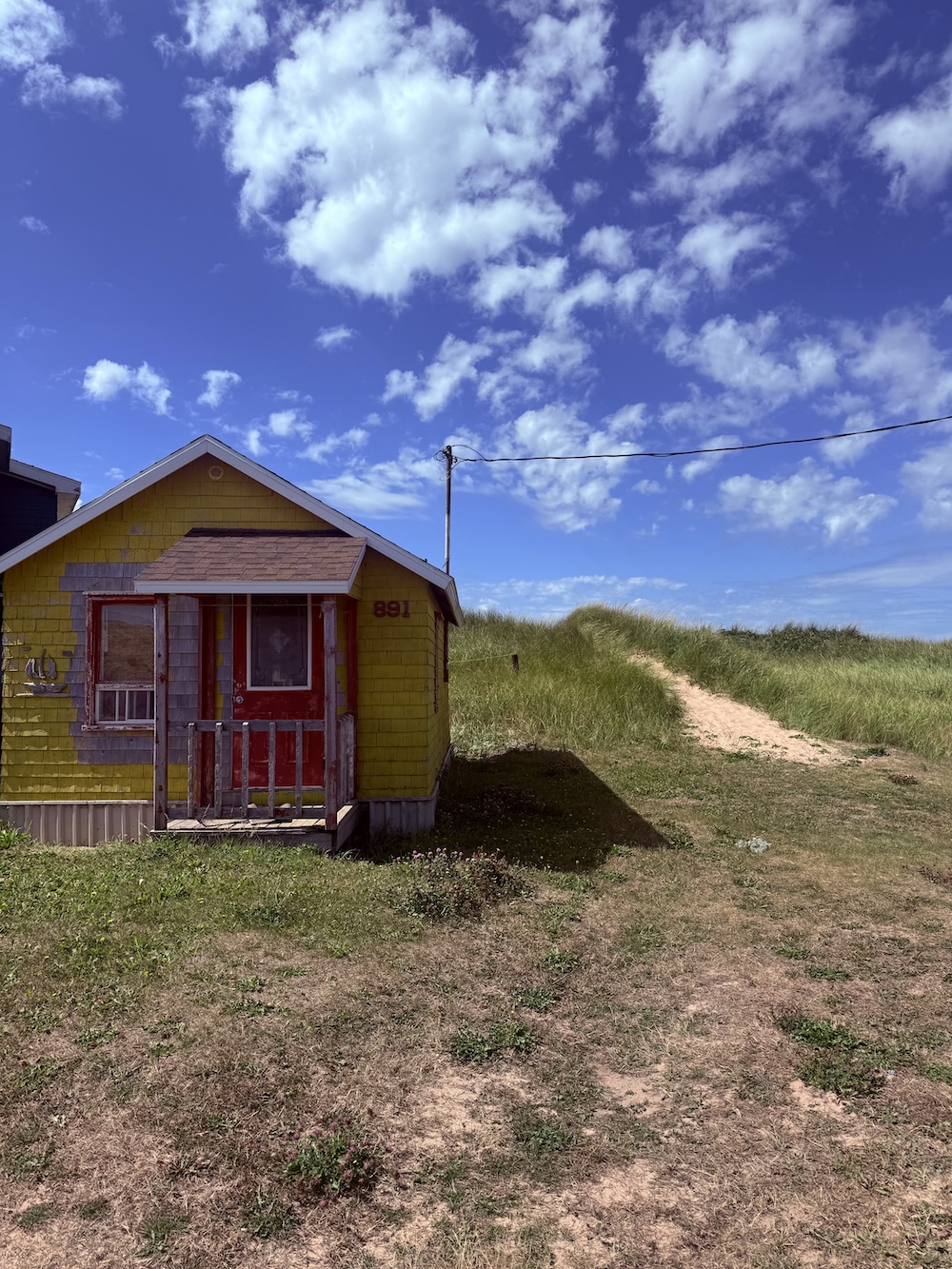
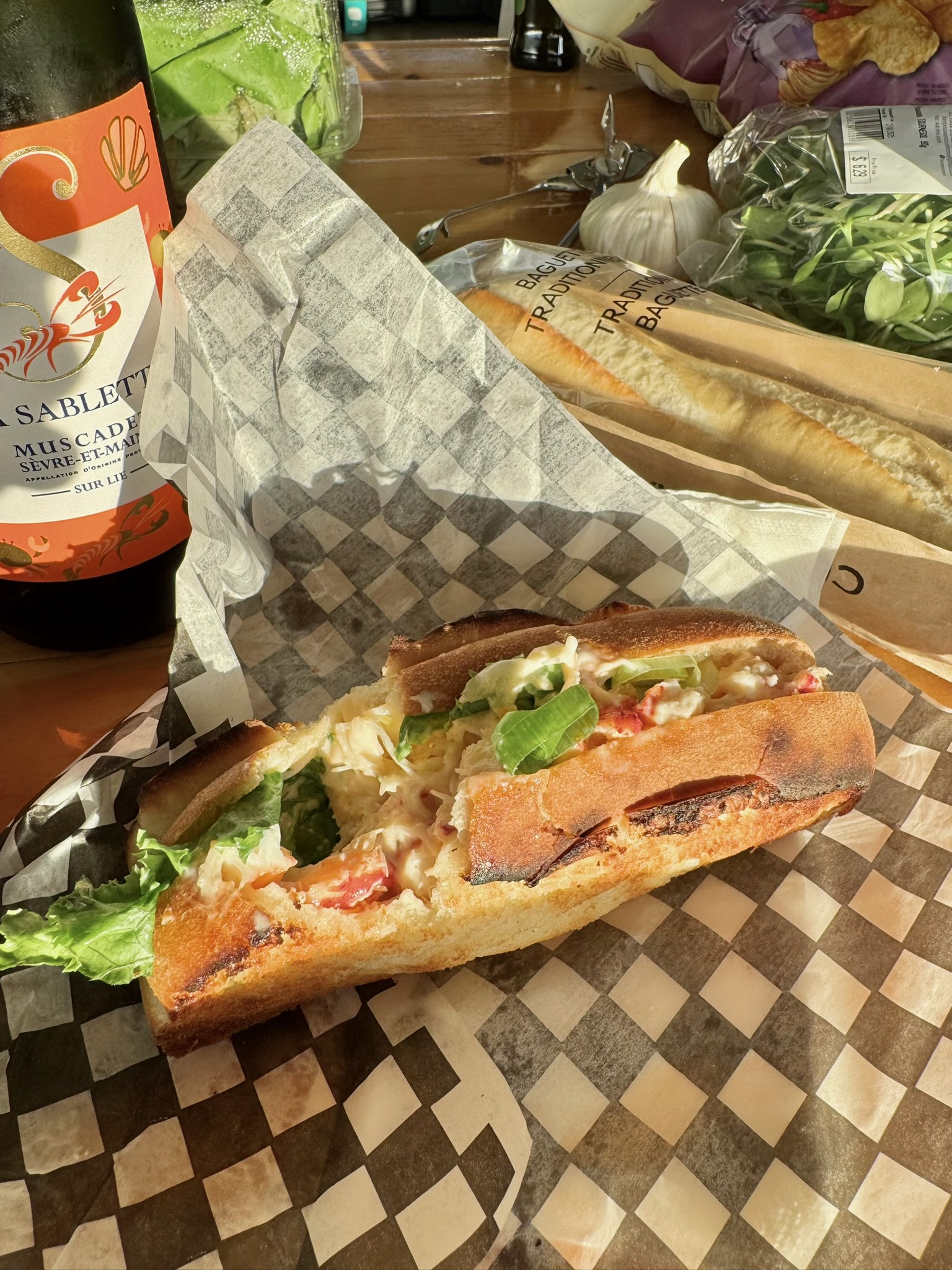
It didn’t occur to me how little Americans know about the Magdalens until I told friends in our hip Brooklyn neighborhood about the trip. These are sophisticated travelers, always on the lookout for interesting vacation ideas, and they were all unaware. It’s a different story in Canada, for sure, especially in Quebec, where the Magdalens are a kind of rustic Martha’s Vineyard, full of the 19th century maritime vibes, free of the high-end boutiques and overpriced lobster rolls. Or maybe they’re more like Marfa, Texas: a place defined by the difficulty in reaching it and the free spirits who inhabit it.
Perhaps it makes sense that we currently have no hotels on the Magdalen Islands. That may change, of course, but until then, we can admit that there’s something quite charming about a place that lies outside the travel industry’s many lists and awards — even our own.

Mark Fedeli is the marketing and editorial director for Tablet Hotels. He’s been with the company since 2006, and thinks you should subscribe to our newsletter.