

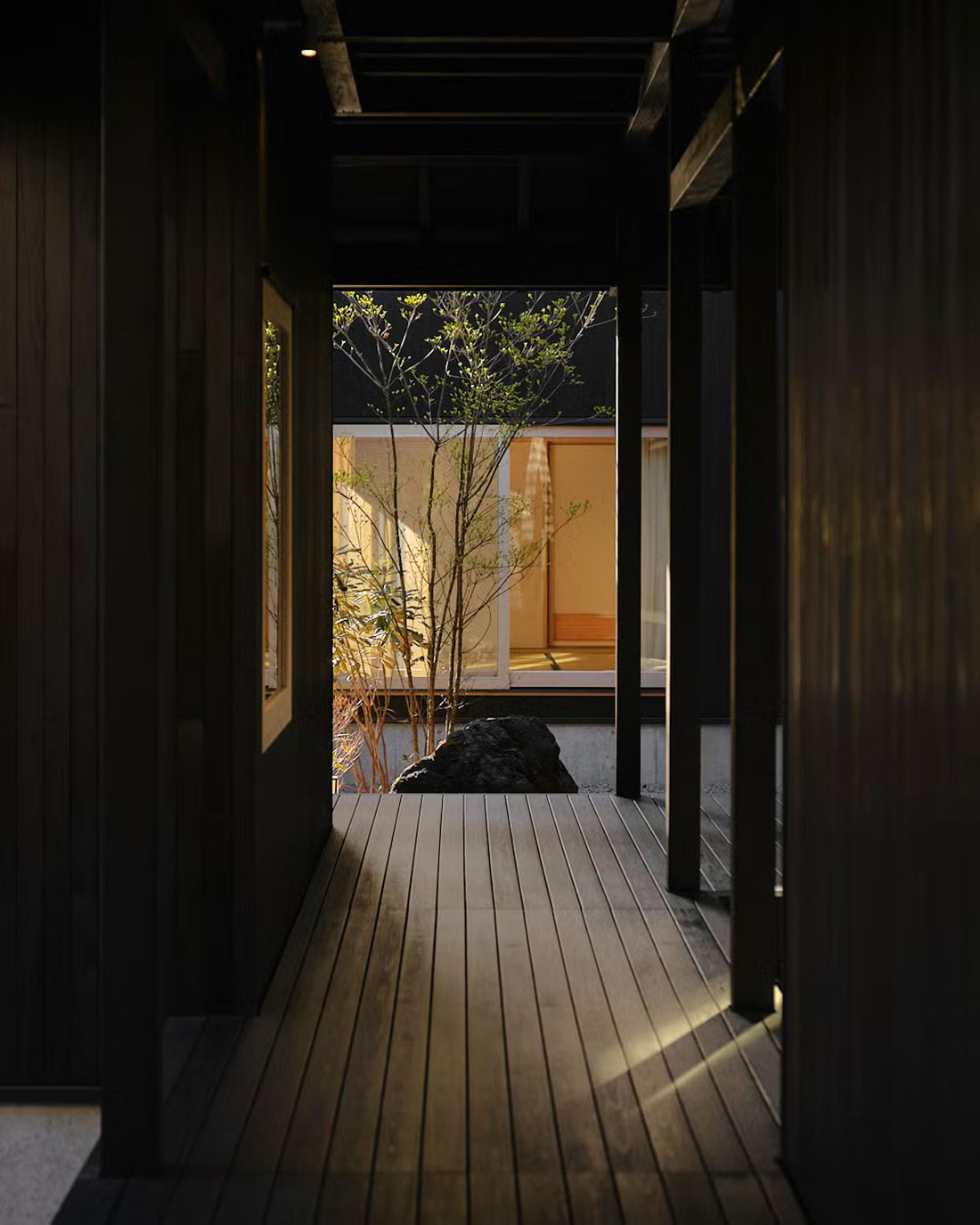
Award season is here. Our editors pick their favorite designs from boutique hotels added to the Tablet selection in the past year. Here are the winners for Asia.
The following words, like all of our words, were written by a real human person.
We cannot tell a lie. Our annual design awards have gotten harder and harder to determine. These days, there are so many impeccably designed hotels opening so often that it’s tough to whittle the honor roll down to a deserving few.
There’s no rigid criteria for this award other than the particular preferences of our editorial team, which tend to favor more intimate properties where an individual voice has a greater chance of shining through. Boutique hotels, in other words. When we launched Tablet in 2000, we were the first boutique hotel curators. These awards honor that legacy.
Apologies to all those massive, modern skyscrapers with a million rooms and dubious financial backing. They can fend for themselves. For us, it’s all about personality and emotion at human scale, and seeing something we don’t often see. That could mean the novel repurposing of an aging structure, a style from one part of the world transported to another, a non-traditional layout that allows for deeper engagement with the property, a concept that’s content to let nature take the wheel, or the unmistakable hand of a single, eclectic visionary. You’ll find all of that and more in the hotels below.
Congrats to the winners from Asia. Here’s how to see the rest: Best New Hotel Designs 2026
Zhiwaling Heritage
Paro District, Bhutan
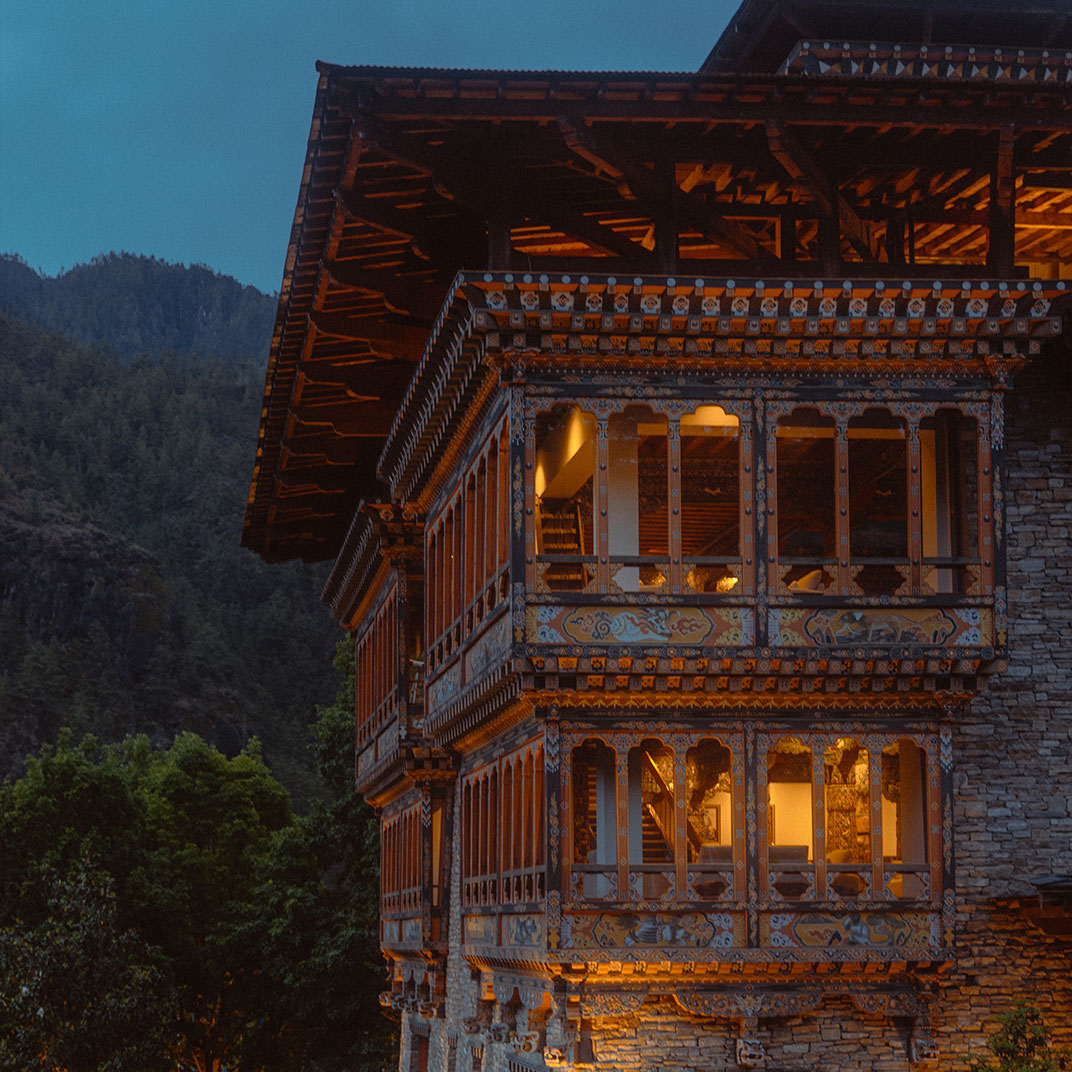
Zhiwaling Heritage is set in the scenic Paro Valley, not far from the famous Tiger’s Nest Temple. And while it may be less precariously perched than the temple, the hotel, with its wealth of hand-painted detail and traditional architecture, is scarcely less picturesque. The suites are spacious, sunny, and mix sparse design with intricate, lavish detailing.
Shishi-Iwa House
Karuizawa, Japan
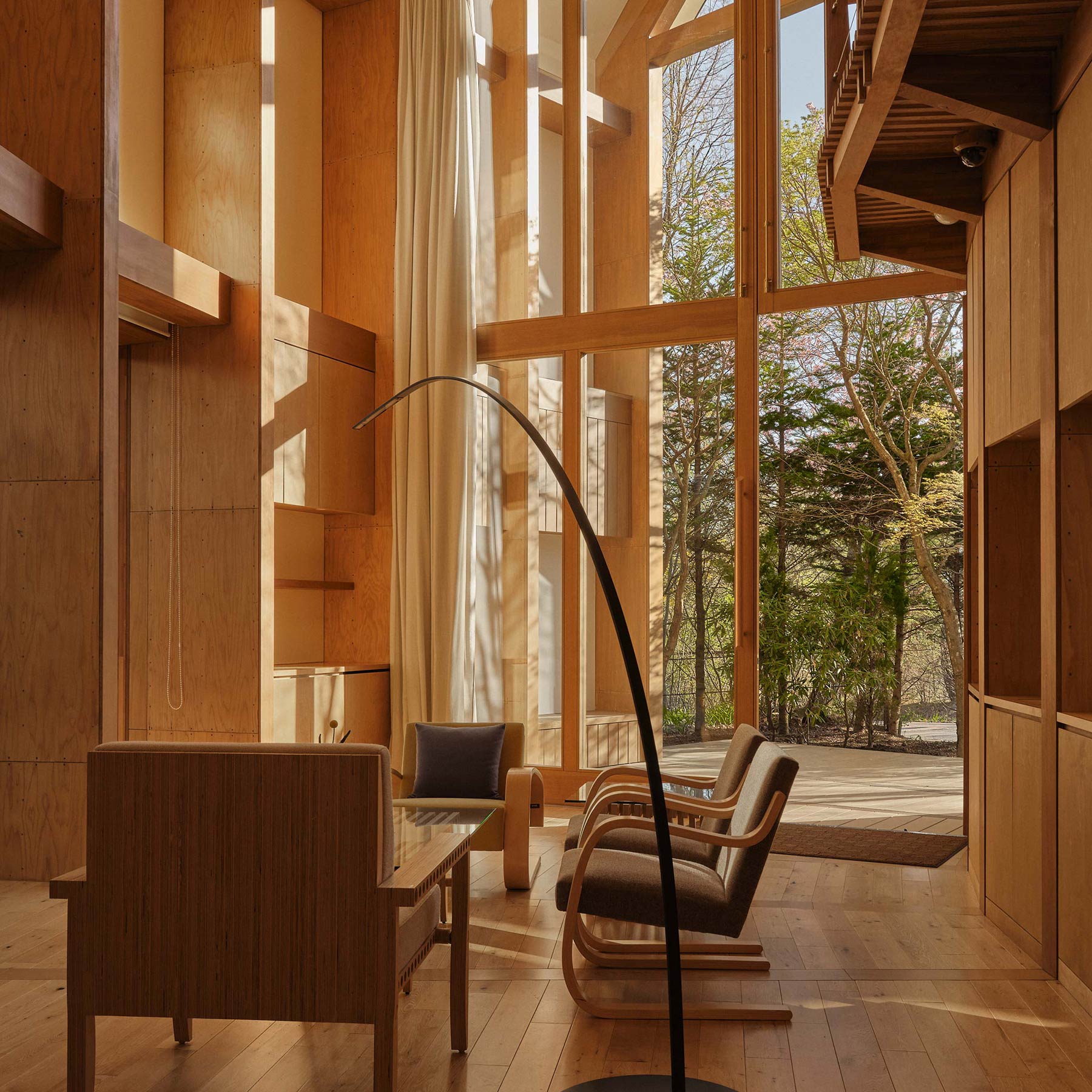
Shishi-Iwa-House Karuizawa is not one house but a collection of them, three and counting, by two of Japan’s finest modern architects: Pritzker winners Shigeru Ban and Ryue Nishizawa. This location, an hour from Tokyo, is particularly idyllic. Within it, the three houses are divided into stunning, quietly luxurious guest rooms in both Western and tatami styles.
Maruyo Hotel
Kuwana, Japan
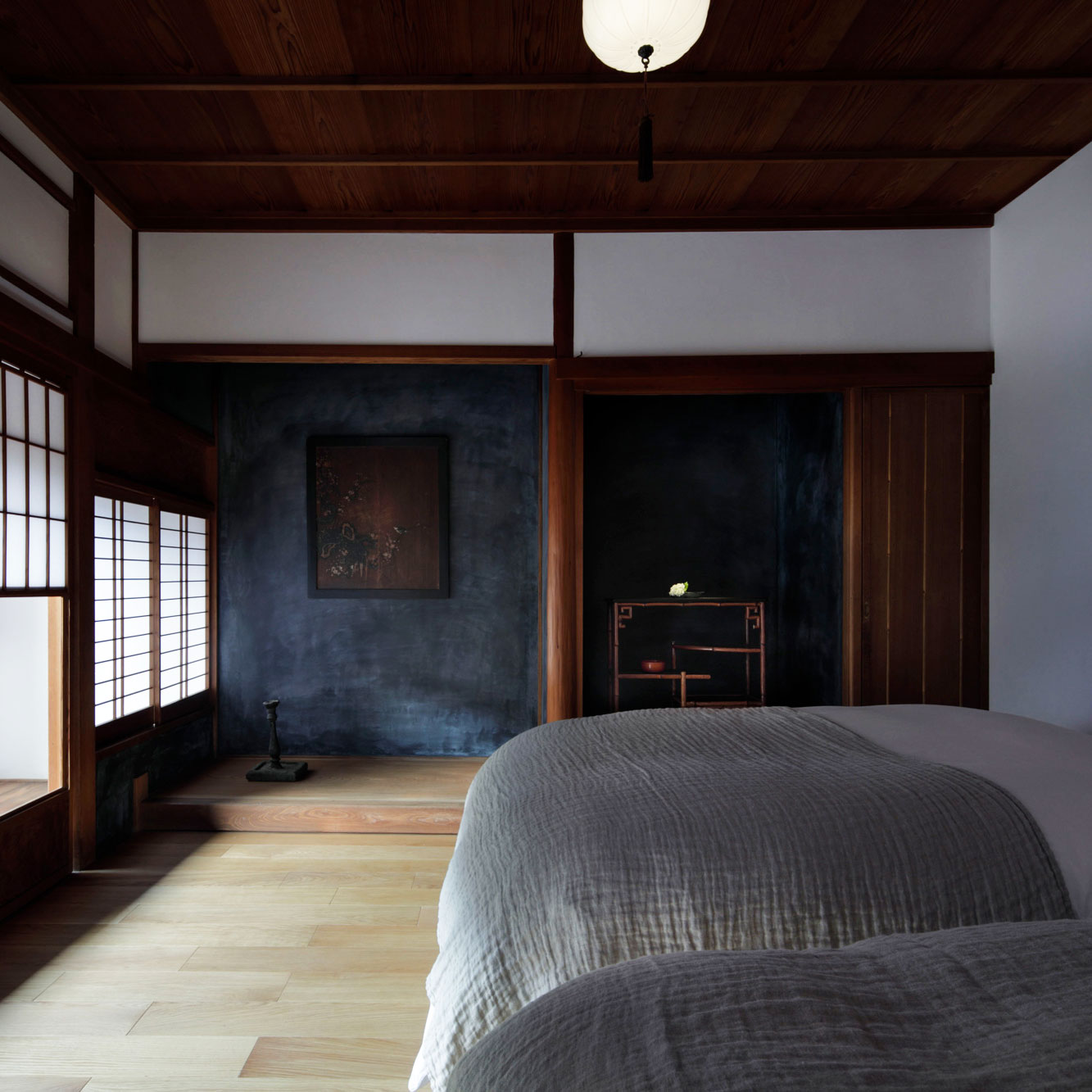
The historic Maruyo Hotel is operated by the fifth generation of a family whose lumber company once stood on this spot. Scarcely a hotel at all, with a mere two bedrooms, the house is fully serviced, but is booked as a unit, sleeping up to four guests. Needless to say, it’s a labor of love, and displays a concern for artisanal craft that’s uncommon even among Japanese ryokan.
Hotel Le Temple
Borobudur, Indonesia
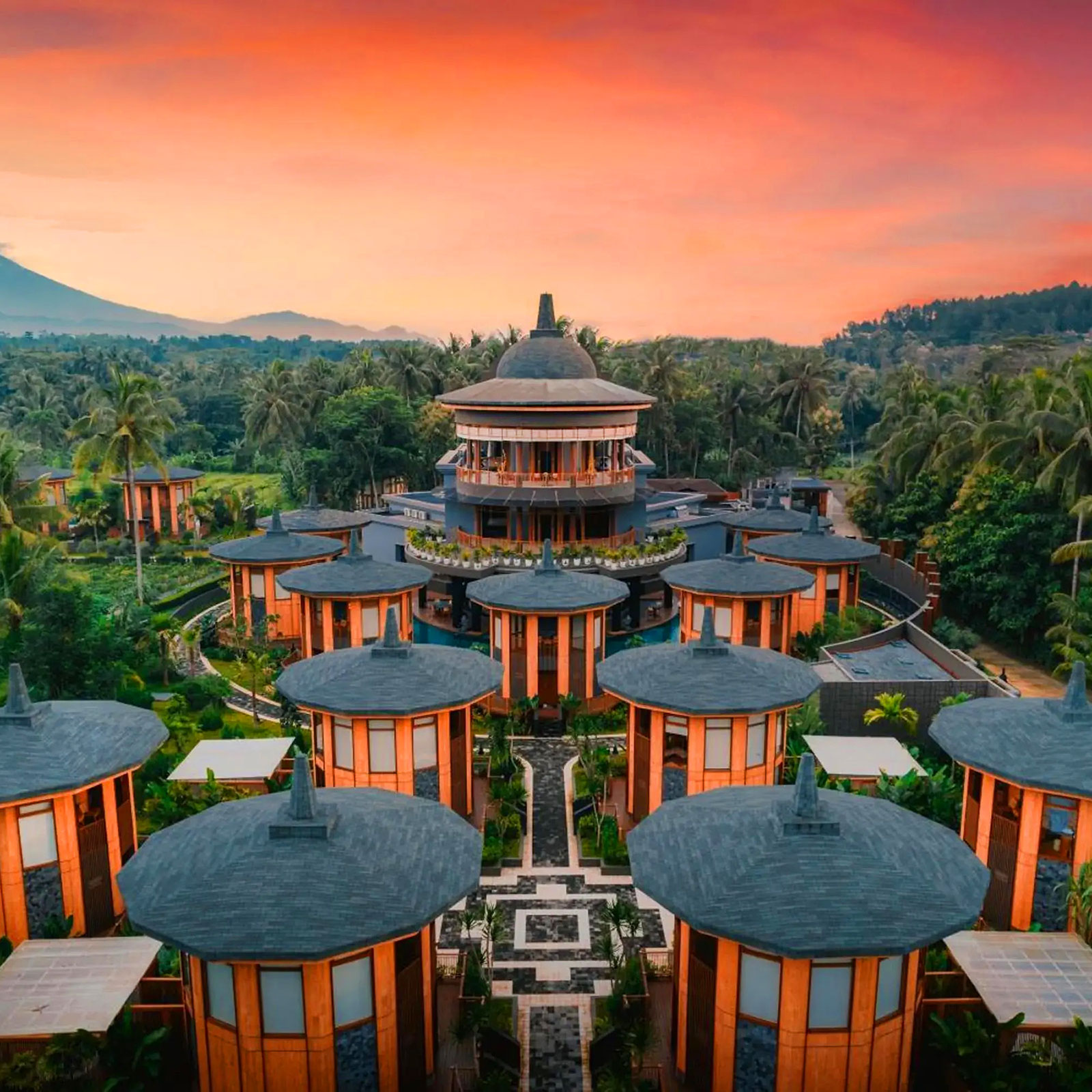
Deep in the heart of Central Java, nestled between jungle-clad volcanoes, Hotel Le Temple Borobudur is a mere 700 meters from its namesake, the 9th-century Borobodur Temple. The accommodations, all freestanding villas, start with astonishing views, gorgeous teak wood, and floor-to-ceiling windows; those on the higher end extend the luxury with private plunge pools.
KOSMOS Ulleungdo
Ulleung-gun, Korea
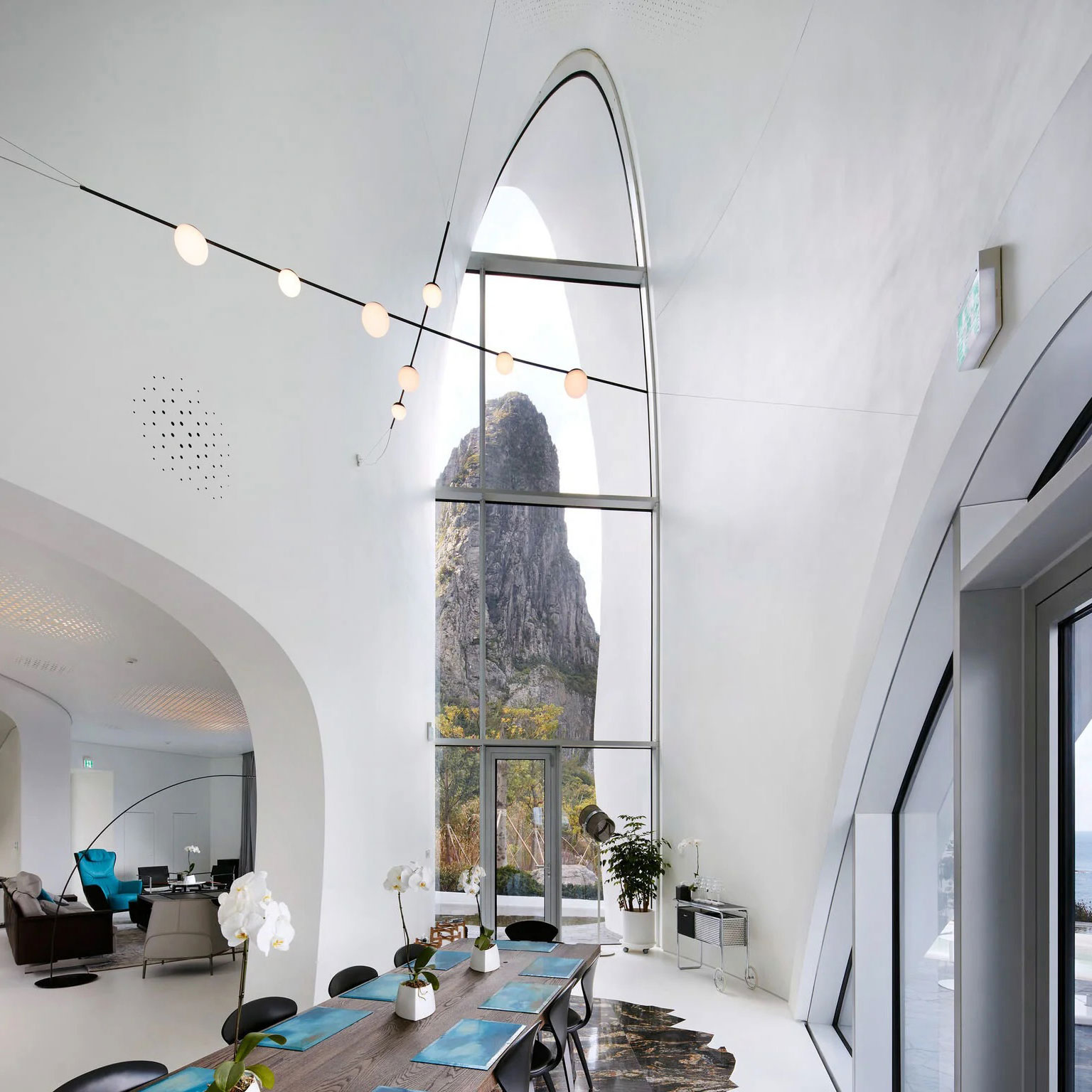
A few dozen miles off Korea’s east coast is Ulleungdo, a volcanic island rich in natural grandeur and steep, breathtaking views. Kosmos Ulleungdo is planted like a docked spaceship on the edge of these cliffs, the vision of architect Kim Chan Jung made real in ambitious curves, spirals, and futuristic domes. Its accommodations are spread across three uniquely designed and inspired villas.
YOUONEJAE
Chungju-si, Korea
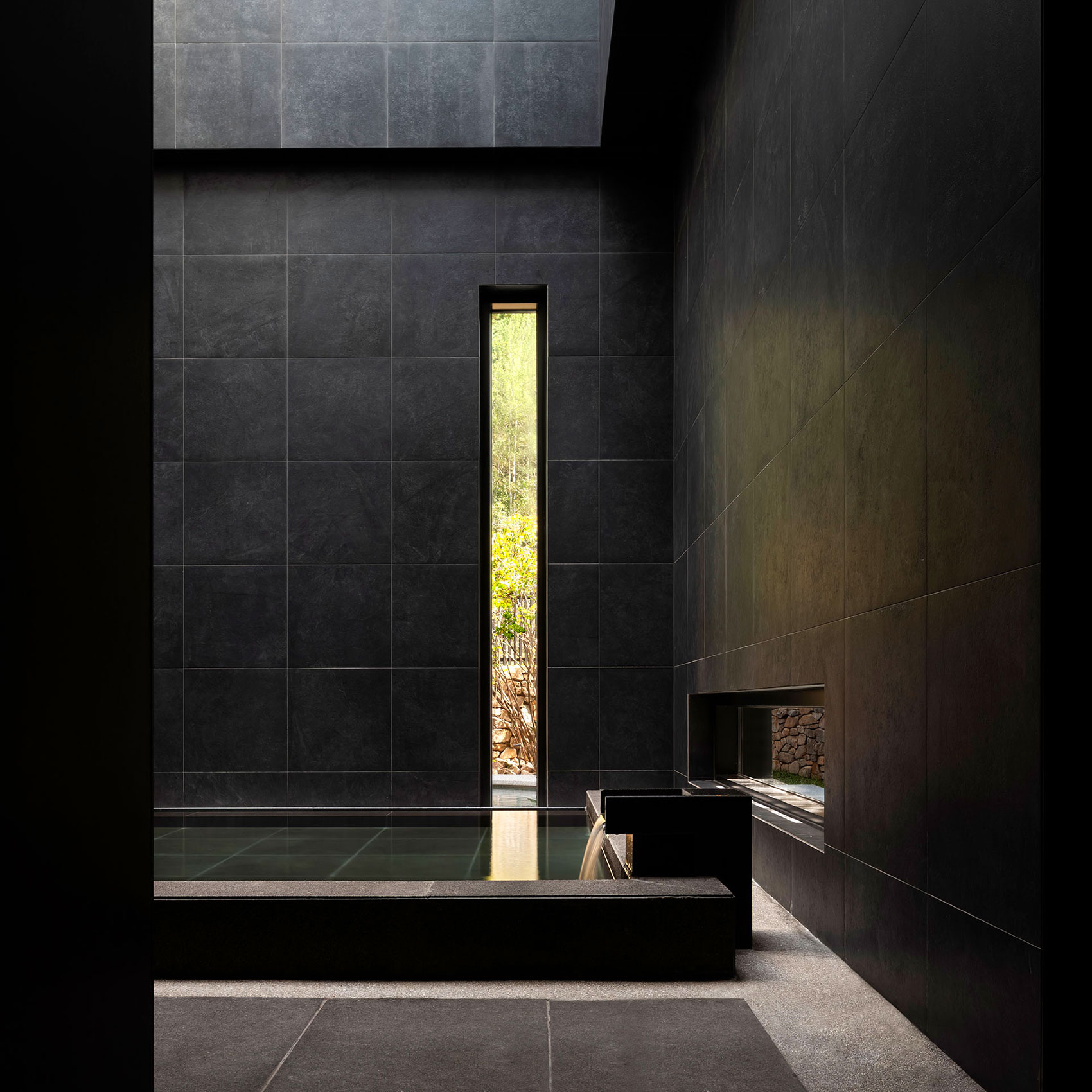
A small and exquisitely stylish hot-spring hotel, You One Jae is inspired by traditional Korean inns, but takes this inspiration in a decidedly modern direction. Its architecture and landscape design consciously recalls the layout of a village, and each of its 16 rooms is enveloped in an atmosphere of tranquility. Every unit comes with its own private garden as well as its own spring-fed bath.
Athita The Hidden Court
Chiang Saen, Thailand
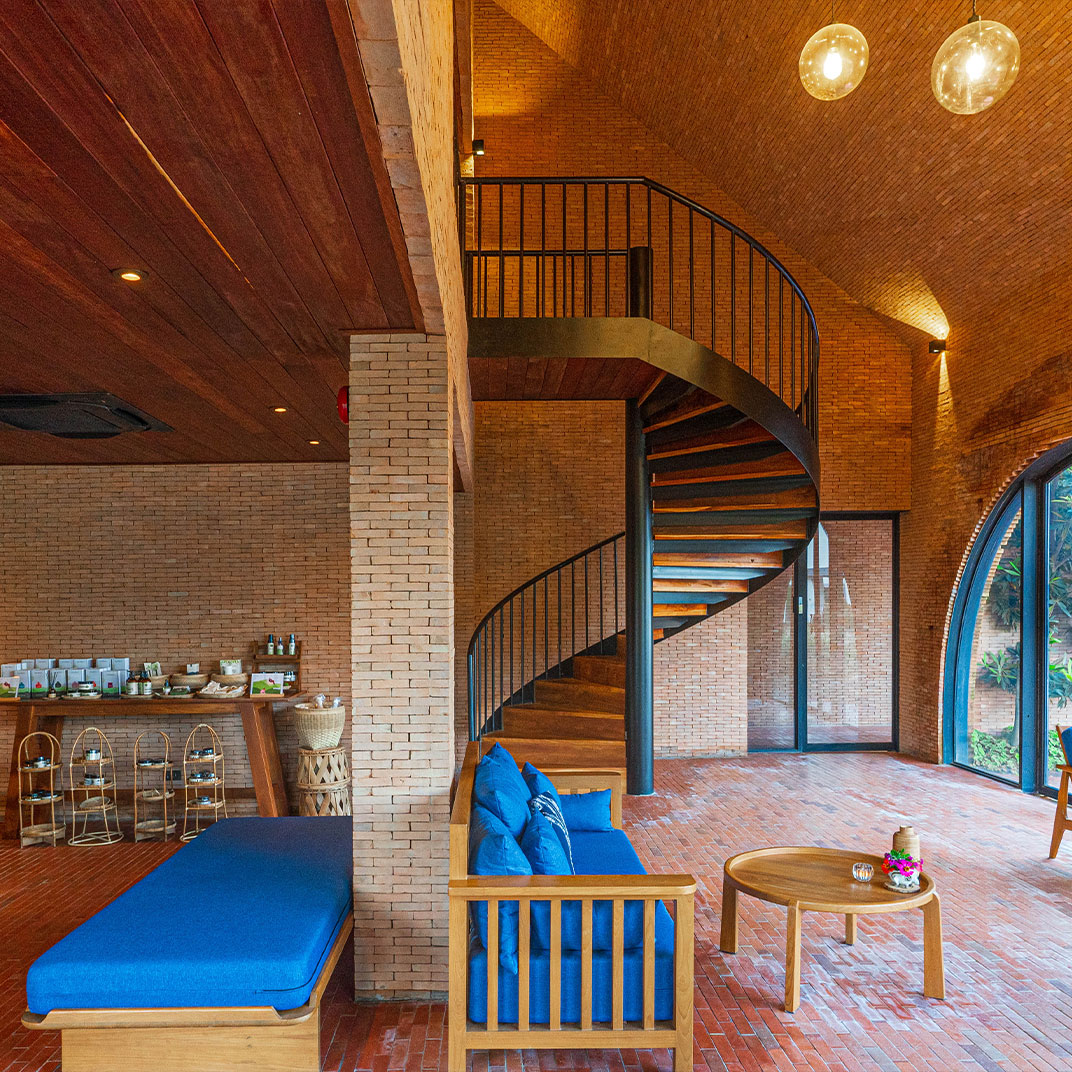
Athita enjoys an unusual distinction in the ancient walled city of Chiang Saen. The hotel is practically an extension of its its next-door neighbor Wat Athi Ton Kaeo, a 500-year-old landmark and one of the best-preserved temples in town. The architects borrowed heavily from regional traditions, working with local artisans and technicians to build a modern complex out of teak wood and handmade bricks.
Bobo by The Stay
Bodrum, Turkey
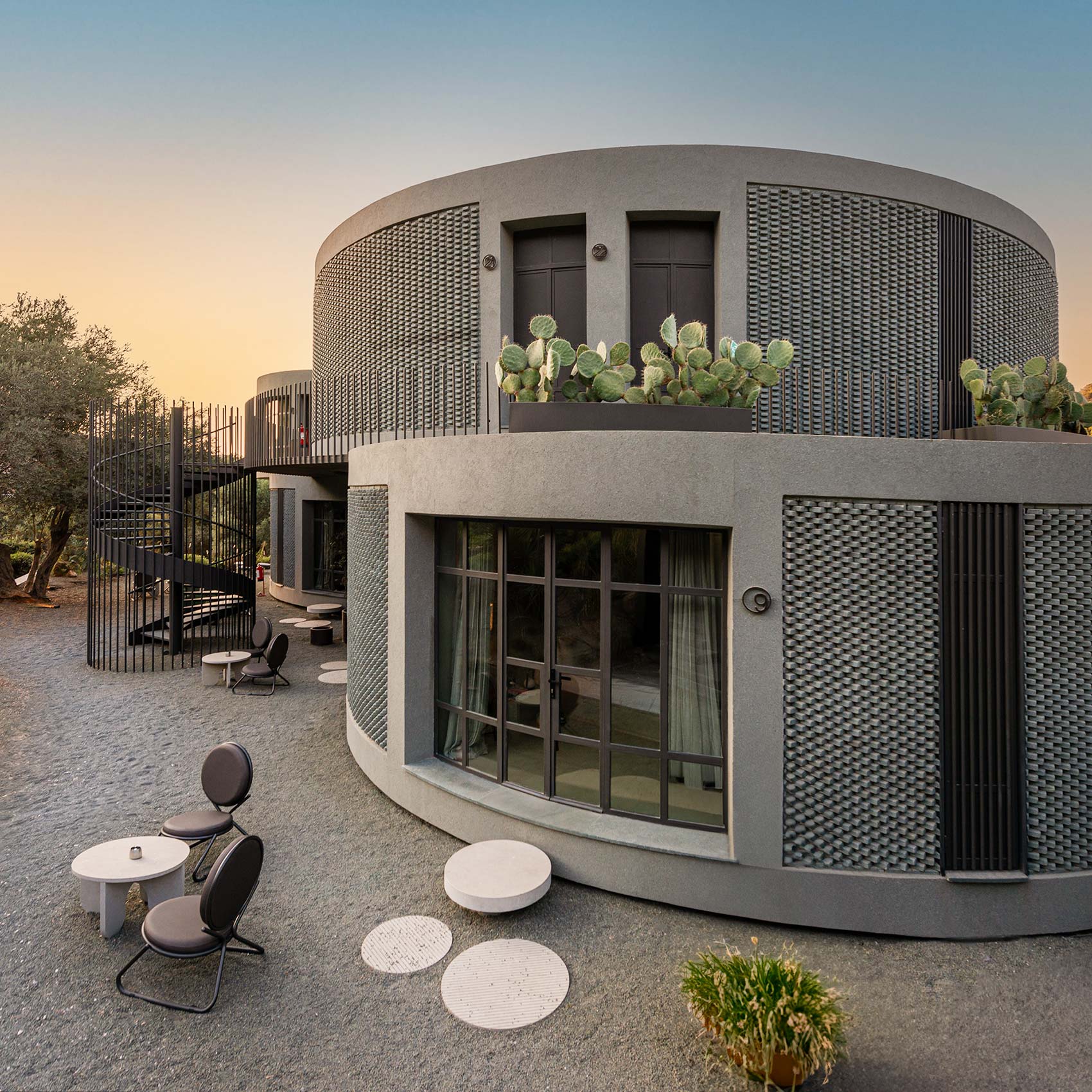
For Bobo by The Stay, Architect Mahmut Anlar took inspiration from the hotel’s location on the secluded northern shore of the Bodrum Peninsula. Rooms at this bohemian-chic retreat are cylindrical, their floor-to-ceiling windows curving around views of olive groves and Cennet Bay. With poured concrete flooring and custom furnishings, they’re modern and sleek, with little to distract from the lush surroundings.
Scorpios Bodrum
Bodrum, Turkey
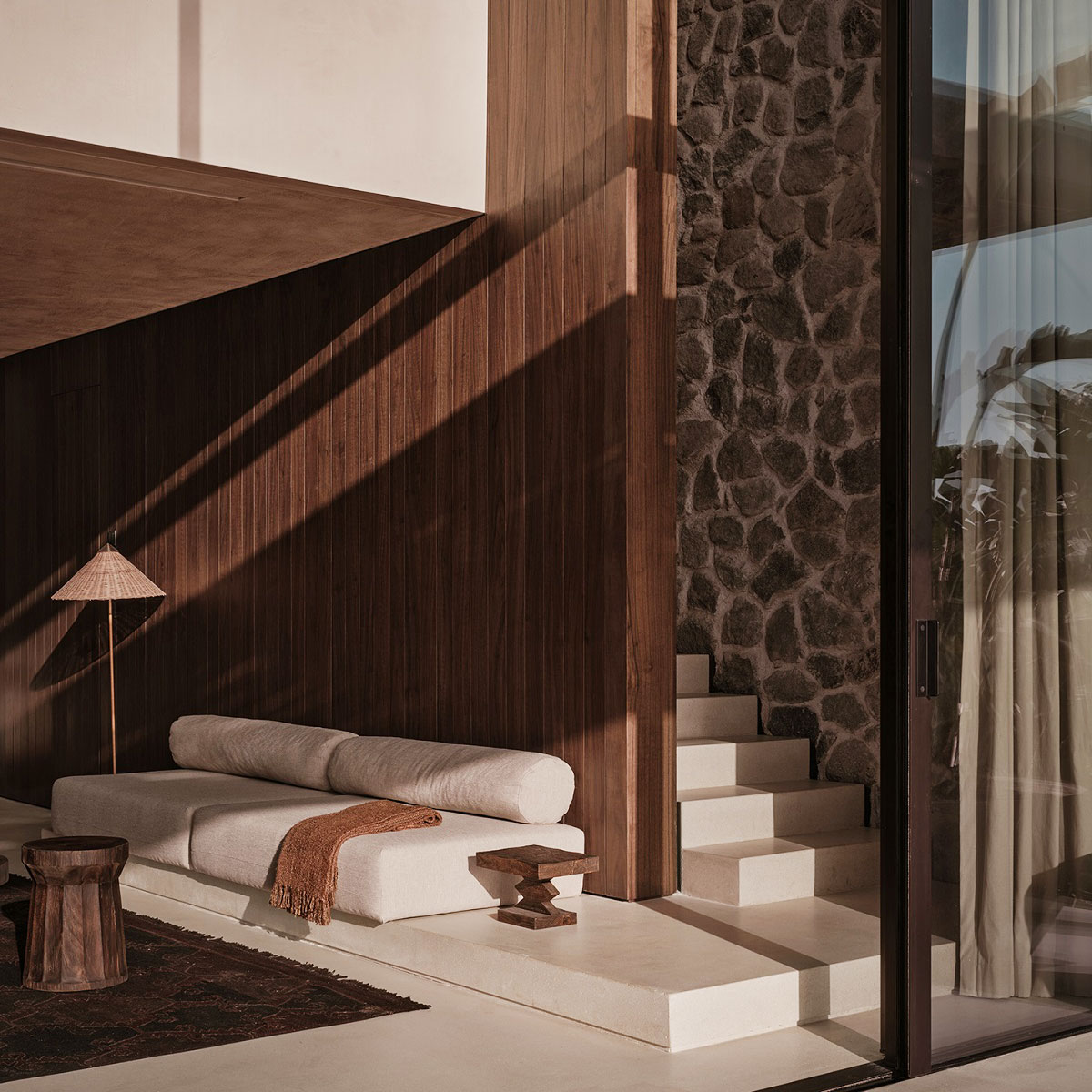
The twelve bungalows of Scorpios Bodrum, built of stone and arranged in a circle, are slightly set apart from Scorpios Mykonos, one of the world’s most famous beach clubs. They’re minimalist with character-filled details like low-lying built-in sofas and handwoven Turkish rugs. All have large private terraces with ocean-facing infinity pools, and luxurious indoor-outdoor bathrooms, many with open-air tubs.
TRUNK (HOUSE)
Tokyo, Japan
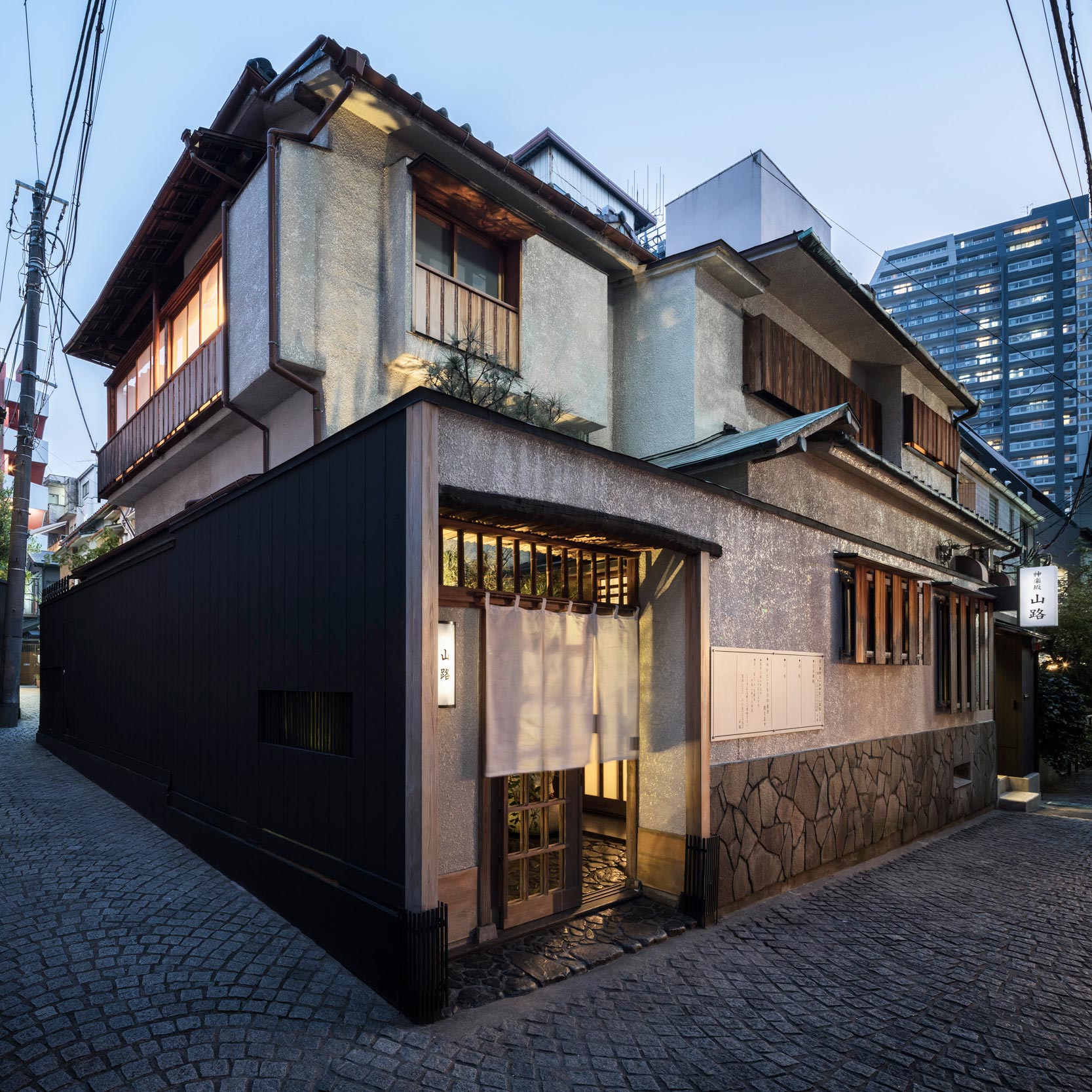
TRUNK HOUSE is Tokyo’s most exclusive one-room stay, a painstakingly restored 70-year-old geisha house in the storied streets of Kagurazaka. Black fencing and pine trees mark its legendary past, while inside — tatami-lined tea rooms and an irori hearth sit alongside Stephen Kenn leather sofas, terrazzo floors, and a cypress-wood bath set beneath shunga art. The real showstopper is a hidden disco with neon lights and a stocked bar.
Kikka Hirado
Hirado, Japan
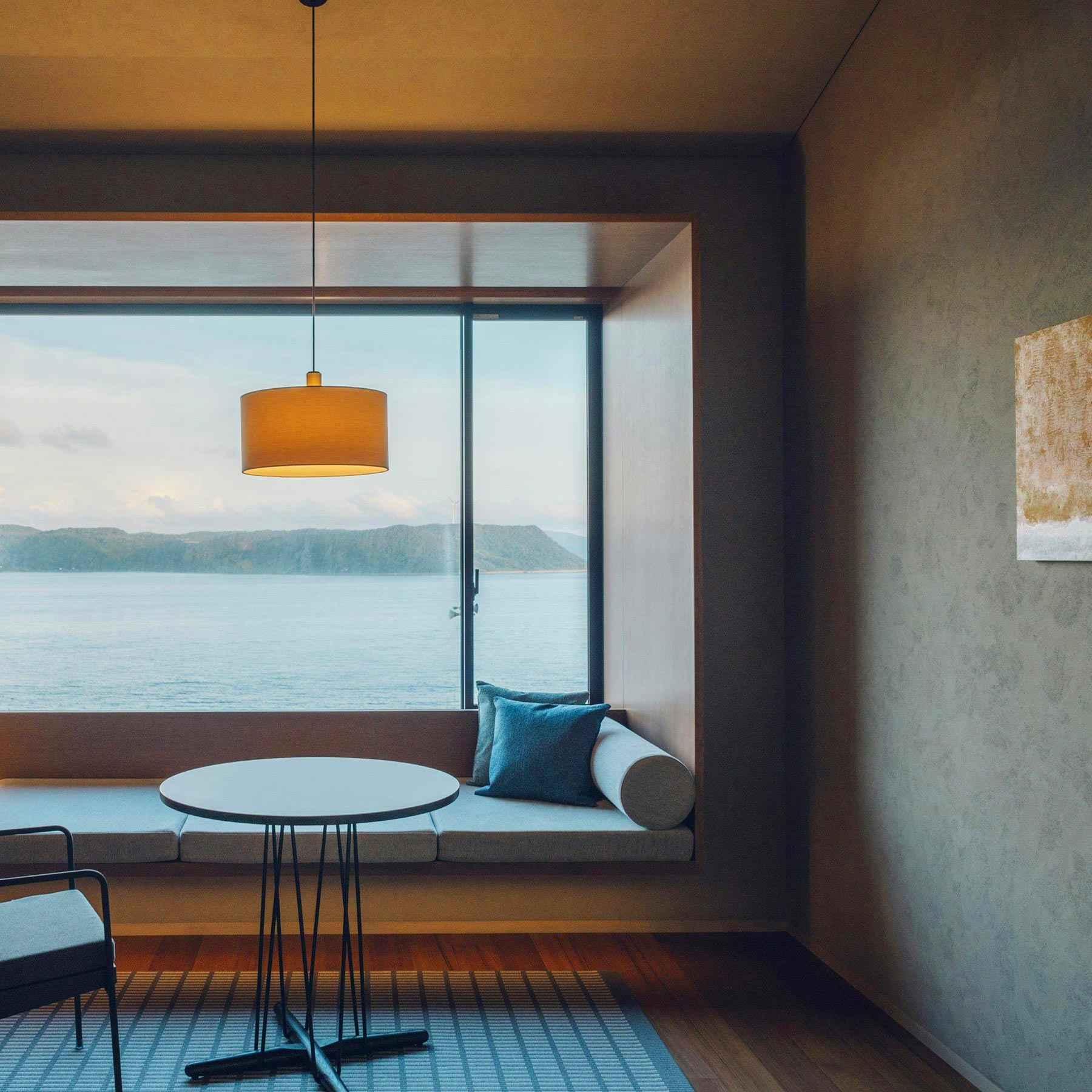
Hirado Island, in southwestern Japan’s Nagasaki Prefecture, is a spectacular maritime escape, and Kikka Hirado is one of the most memorable ways to experience it. This is a thoroughly modern hotel that shows there’s more to Japanese hospitality than the ryokan tradition. It’s a remarkably full-featured hotel in spite of its small size; just five ultra-modern rooms and suites, with vast sea-facing windows.
Brij Lakshman Sagar
Pali, India
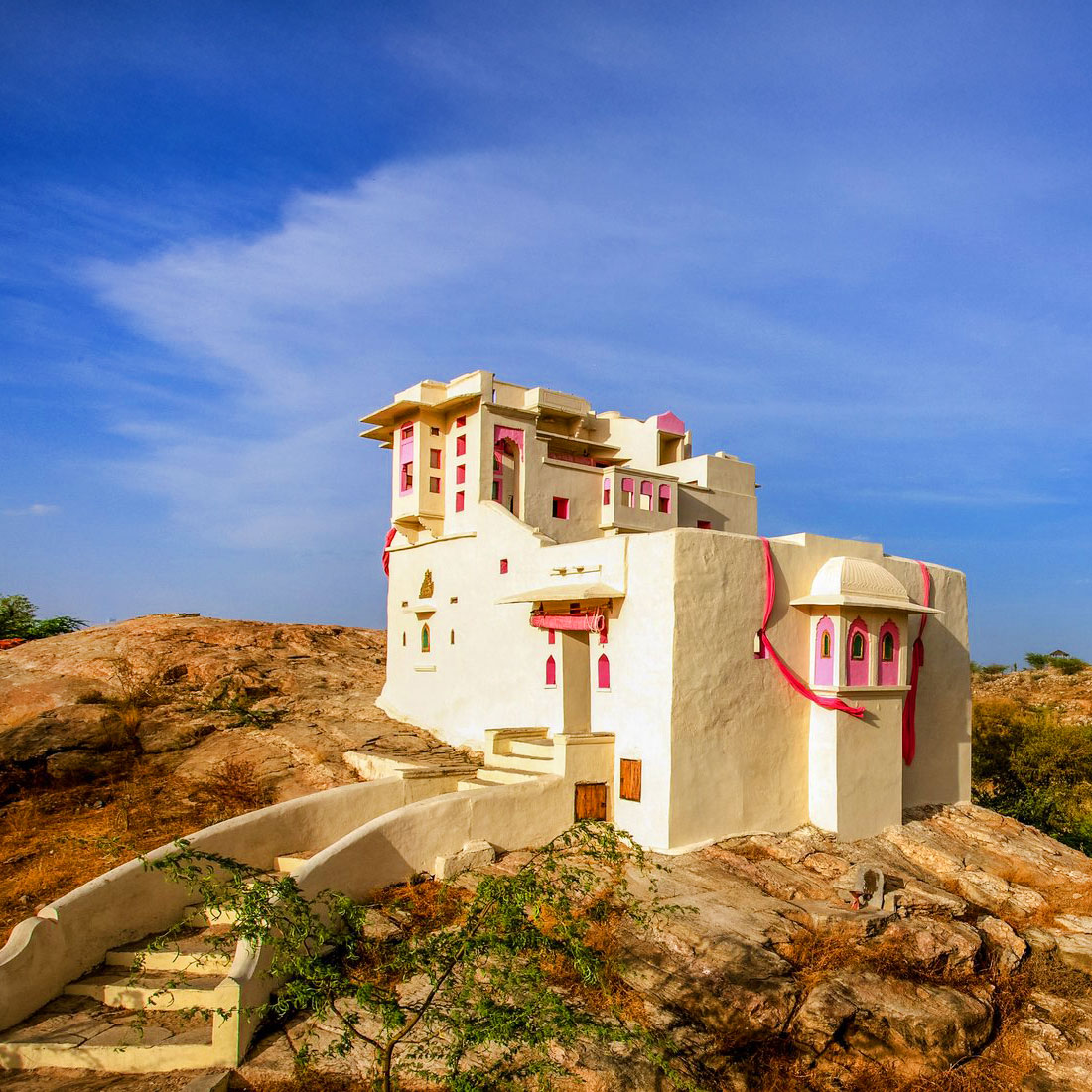
The Brij hotel group have made it their mission to bring travelers to India’s less visited corners, and in that task this 19th-century hunting lodge in Rajasthan’s Pali district succeeds admirably. Brij Lakshman Sagar is made up of a mere 12 cottages, set on 32 acres of secluded land. The style is authentic to the region, with riotous colors that are a fine complement to the austere beauty of the Rajasthan badlands.
Upper House Chengdu
Chengdu, China
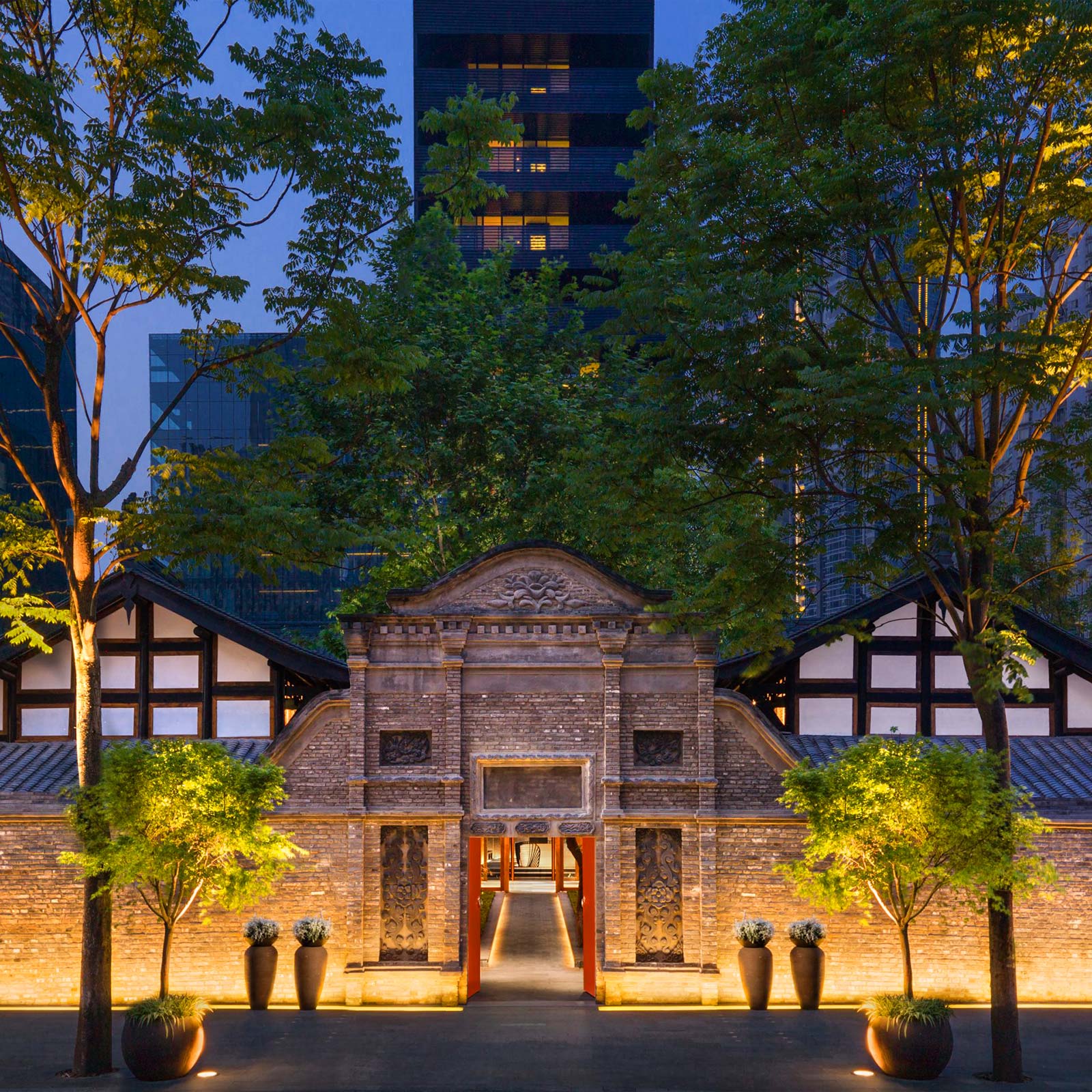
Designed by Make Architects to pay tribute to its historic surroundings, Upper House Chengdu is a part of the Chengdu Daci Temple Cultural & Commercial Complex. The immediate upshot for guests is a drastic contrast of old and new — you’ll enter via a century-old Qing Dynasty courtyard building, before being whisked to your accommodations in one of the ultra-modern tower additions.
Sala Ayutthaya
Ayutthaya, Thailand
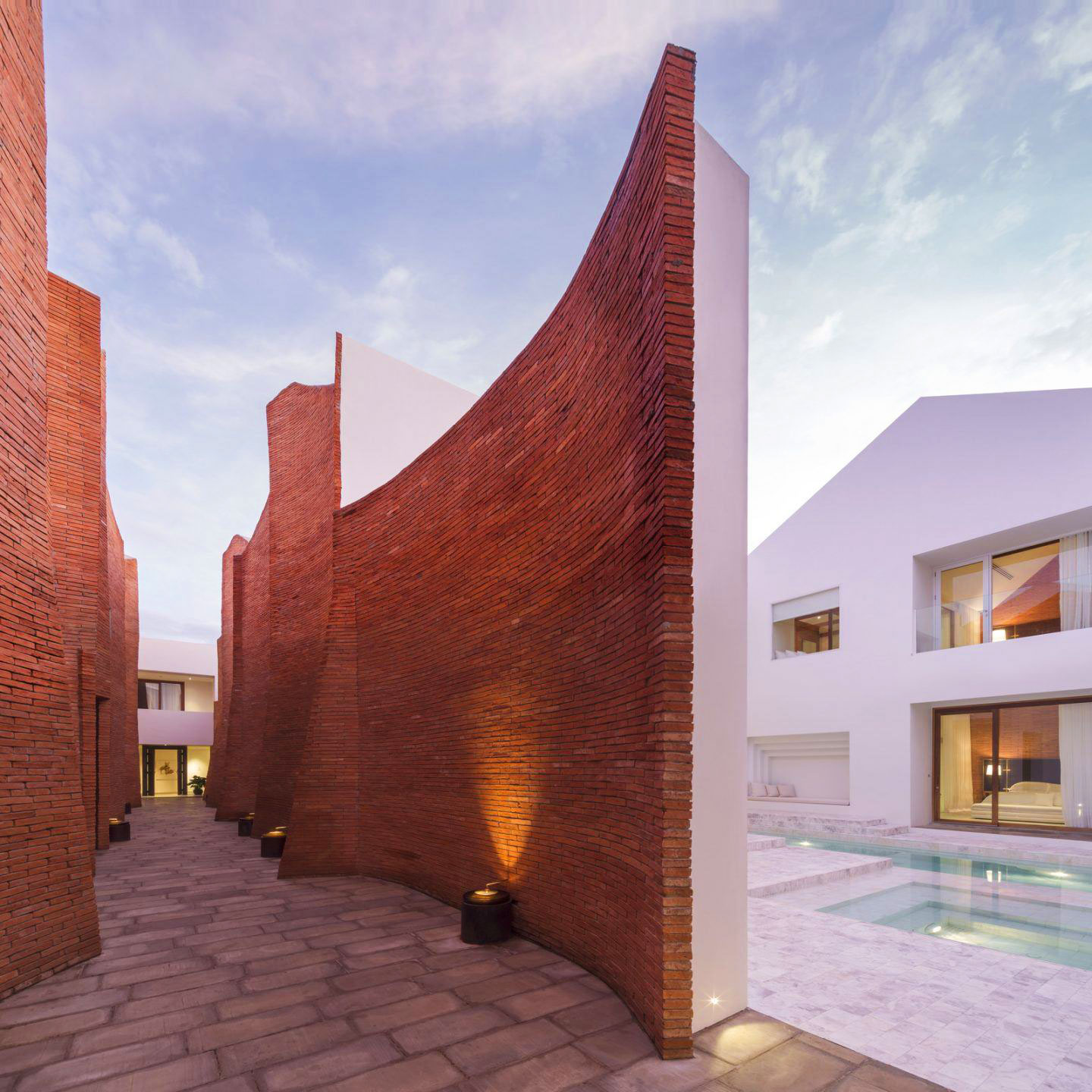
Sala Ayutthaya is located on the banks of the Chao Phraya River, directly across the water from a temple built in 1353, its elegant Khmer-style tower on grand display from the hotel. Bangkok-based design studio Onion considered the historical context, discreetly tucking away the pool — and by extension, the swimsuit-clad guests — in a quiet courtyard framed by a labyrinth of whitewashed and exposed brick walls.
Rooms Batumi
Batumi, Georgia
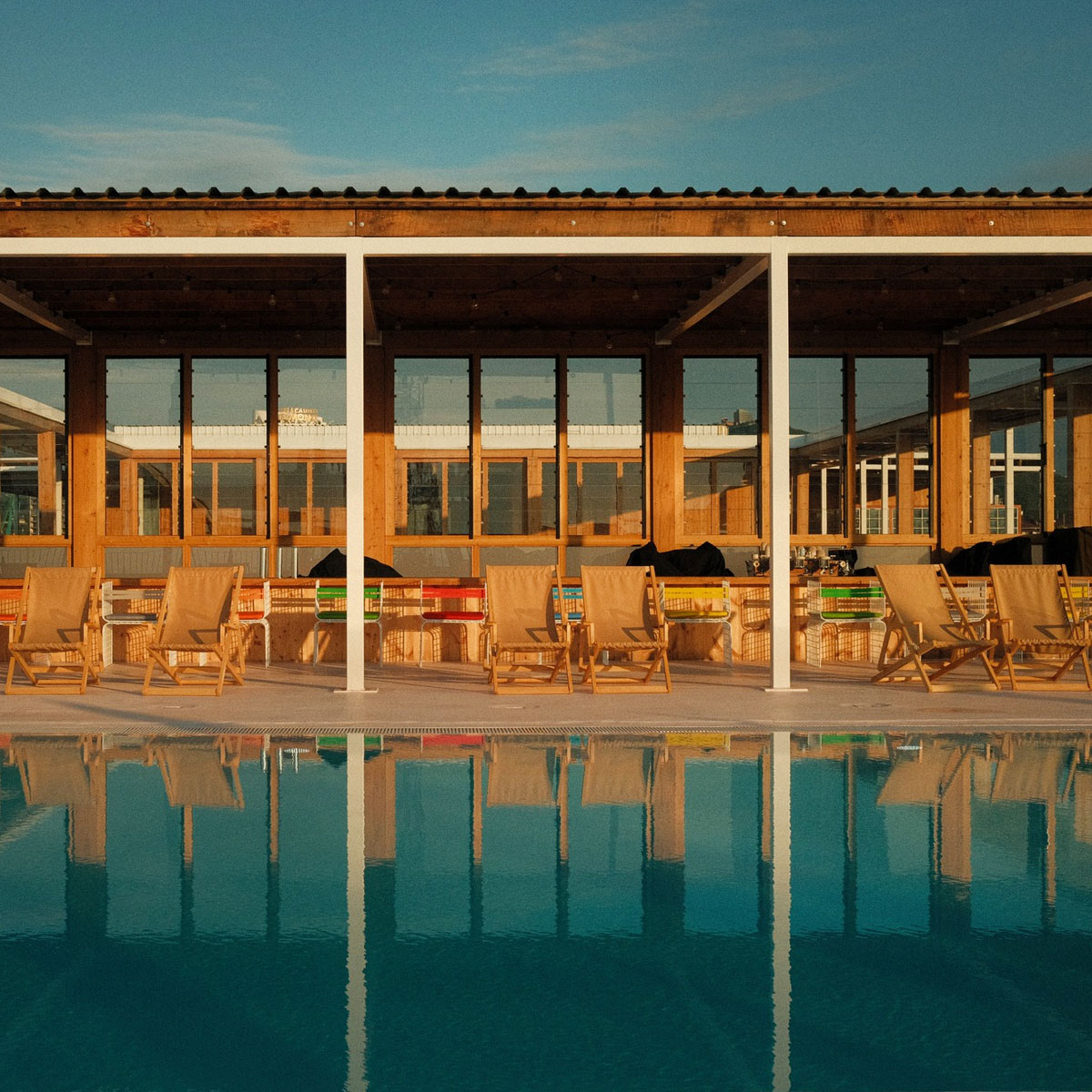
With their properties in Tbilisi and Kazbegi, Rooms Hotels made some of the biggest and boldest design statements in Georgian hospitality history. Their outpost in Batumi is similarly daring, but in a much more subtle way. Here, the design is more minimal; natural wood and a soft color palette create a calming vibe, while elements like circular beds and old-style telephones bring a quirky, retro feel.
Aman Nai Lert Bangkok
Bangkok, Thailand
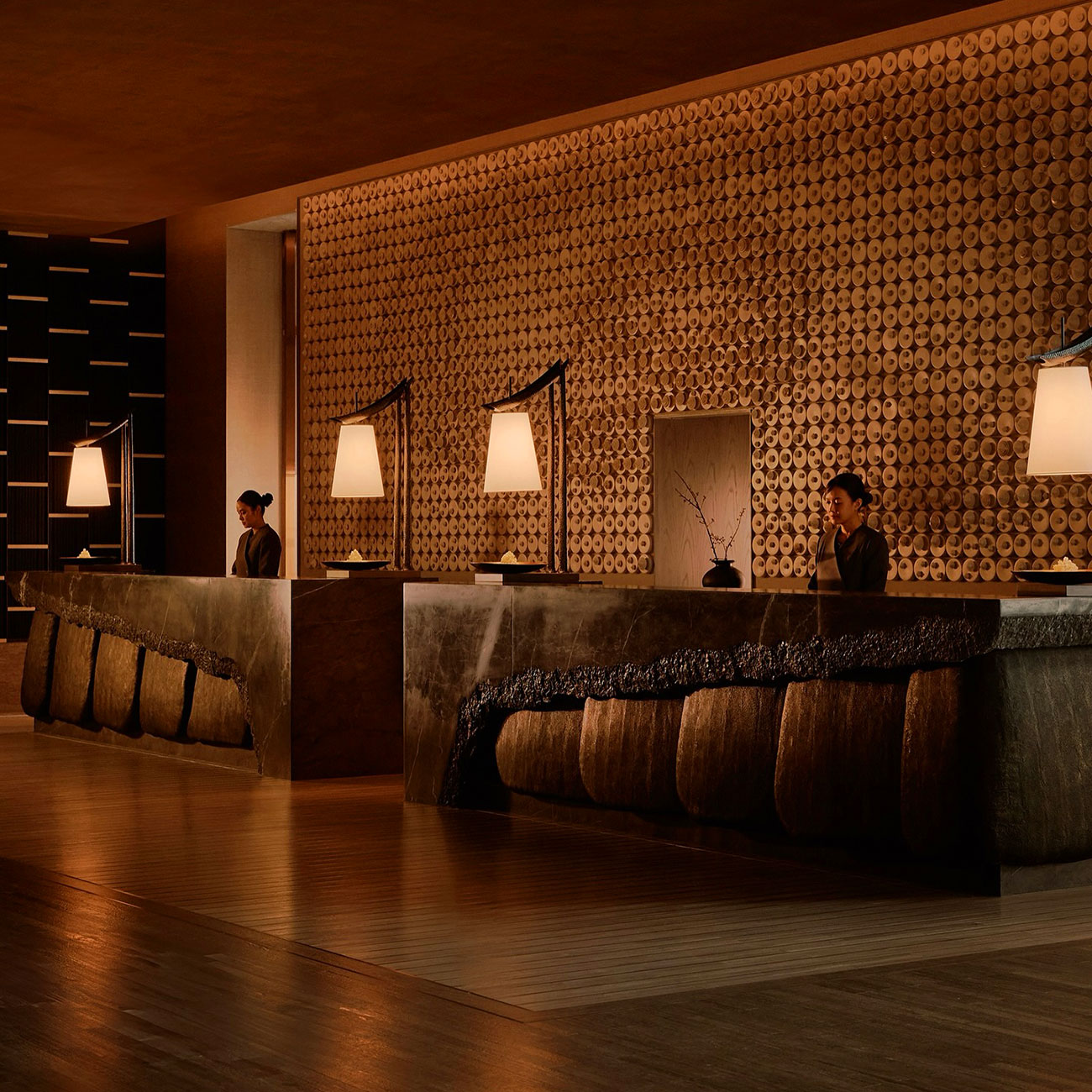
When there’s a new Aman, it’s hard not to include it on any list of exceptional hotels. Like its urban counterparts in Tokyo, Venice, and New York, Aman Nai Lert Bangkok is every bit as lavish as the ultra-luxurious rural resorts that first put the brand on the map, with an extra measure of city-center chic; famed architect and designer Jean-Michel Gathy blends traditional Thai style with Aman’s dramatic but minimalist aesthetic.

Mark Fedeli is the marketing and editorial director for Tablet Hotels. He’s been with the company since 2006, and thinks you should subscribe to our newsletter.